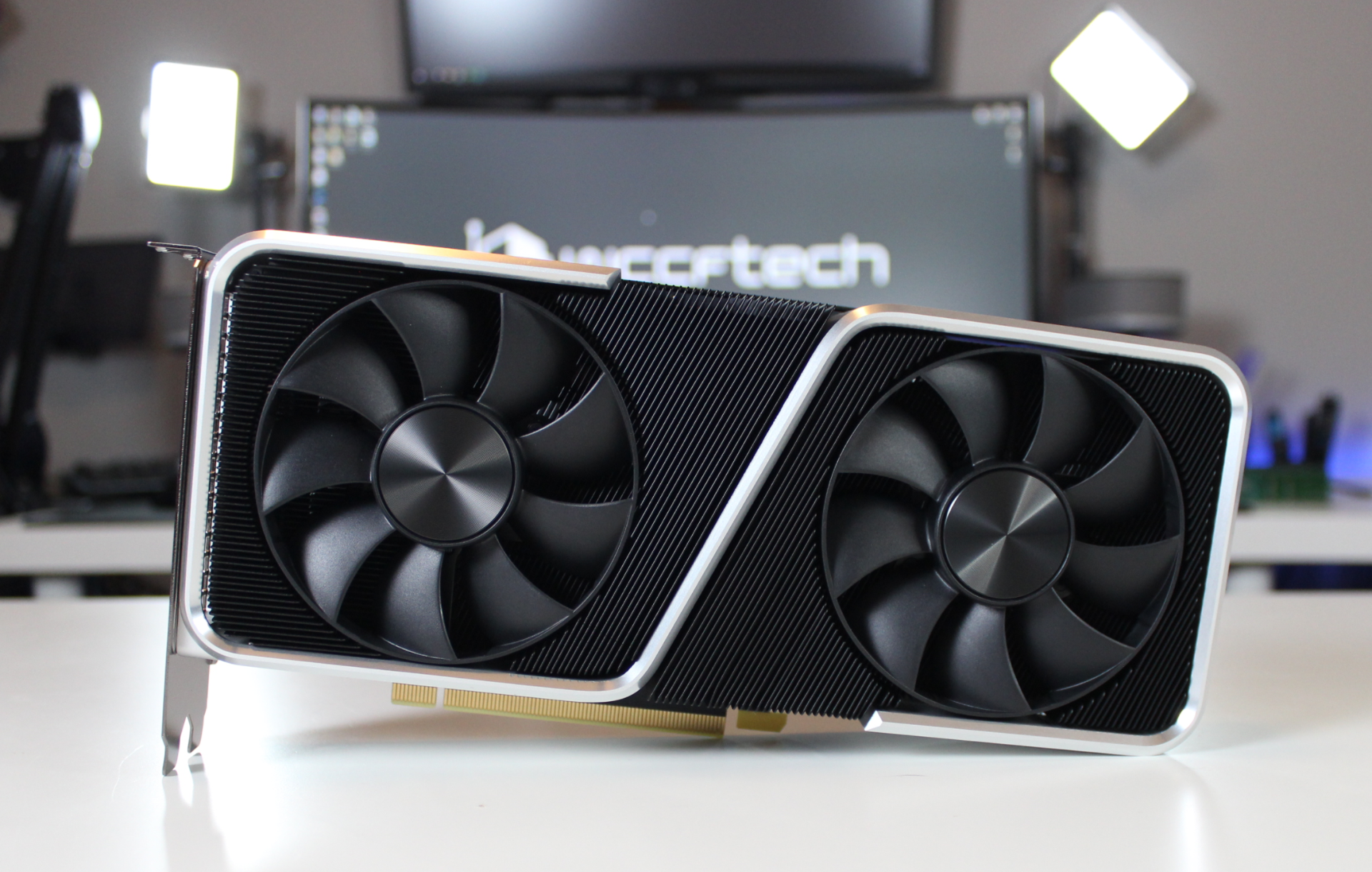
NVIDIA has raised the bar for high-end graphics processing with the launch of the RTX 4090, a GPU designed to push boundaries in both raw performance and real-time rendering. For developers, this means a significant jump in capabilities—but also a decision on whether the cost aligns with their project needs.
The RTX 4090 is built around NVIDIA's Ada Lovelace architecture, featuring 16,384 CUDA cores, 256 Tensor cores, and 82 streaming multiprocessors. It operates at a base clock of 2.23 GHz with a boost clock reaching up to 2.52 GHz. Memory is handled by 24 GB of GDDR6X, running at a bandwidth of 760 GB/s—a substantial upgrade over previous generations.
That’s the upside—here’s the catch: the RTX 4090 is priced at $1,599, positioning it as a premium-tier option. For developers, this means evaluating whether the performance gains justify the investment, especially when mid-range alternatives like the RTX 3080 or AMD's Radeon RX 6800 XT remain viable for many workloads.
Performance and Efficiency
The RTX 4090 excels in ray tracing and AI-driven workloads, thanks to its advanced architecture. It supports DLSS 3, which uses frame generation to improve performance without sacrificing quality. However, power consumption is a notable consideration: the GPU has a TDP of up to 450 watts, requiring robust cooling solutions for sustained use.

Key Specifications
- Architecture: Ada Lovelace
- CUDA Cores: 16,384
- Tensor Cores: 256 (4th Gen)
- Memory: 24 GB GDDR6X
- Memory Bandwidth: 760 GB/s
- Base Clock: 2.23 GHz
- Boost Clock: Up to 2.52 GHz
- TDP: 450 W
- Price: $1,599
When compared to its closest competitors, the RTX 4090 stands out in benchmarks for both gaming and professional workloads. However, developers must consider whether the price premium is justified by their specific use cases—whether it's real-time rendering, AI training, or high-resolution simulation.
The RTX 4090 isn’t just about raw numbers; it’s a redefinition of what’s possible in graphics processing. For those who can afford it and have the infrastructure to support it, this GPU represents a clear upgrade path. But for others, the question remains: is this the right time to invest, or should they wait for potential price corrections or alternative solutions?
The most important change here isn’t just the performance leap—it’s the confirmation that NVIDIA is doubling down on high-end graphics as a cornerstone of its roadmap. That’s a signal worth noting for developers planning their next move.