The evolution of foldable smartphones has long been marked by incremental steps, but Samsung’s Galaxy Z Fold 8 Ultra signals a shift toward substantive improvements that address real-world usability for power users. This isn’t just about raw specifications—it’s about how these enhancements integrate into daily workflows, from outdoor productivity to extended battery life.
Brightness and Adaptability: A Display Tailored for Real-World Use
The Fold 8 Ultra’s Dynamic AMOLED 2X display now reaches a peak brightness of 1,750 nits in HDR mode, a notable leap that makes it more viable for outdoor use. This is particularly important for professionals who rely on foldables for tasks like field inspections or outdoor meetings, where screen visibility under direct sunlight can be a challenge. The adaptive refresh rate, which adjusts dynamically between 1Hz and 120Hz, further refines the user experience by balancing smooth visuals with battery efficiency—a critical consideration for devices used throughout the day.
Performance Gains: Substance Over Speculation
Under the hood, the Fold 8 Ultra moves to the Snapdragon 8 Gen 3 for Galaxy chipset, delivering a 10% improvement in CPU performance and a 15% boost in GPU efficiency. While these numbers are impressive on paper, their real-world impact will depend on how well enterprise applications leverage this new architecture. For IT teams managing devices with demanding workloads—such as AI-driven analytics or high-resolution rendering—the upgrade is significant, but it may not immediately translate to performance gains in all software environments. Benchmarking specific workflows will be essential to determine whether the cost of the Ultra model justifies its premium positioning over the standard Fold 8.
Battery Life: Consistency as a Key Differentiator
The third major upgrade focuses on battery efficiency, with the Fold 8 Ultra featuring a 4,400mAh battery paired with an improved power management system. Samsung claims up to 16 hours of mixed usage, including video playback and moderate app activity—a modest but meaningful improvement over the previous model’s 15-hour claim. For enterprises managing device fleets, the emphasis shifts from raw endurance to stability, as foldables have historically struggled with battery life due to their complex hinge mechanisms and power-hungry displays. This upgrade suggests a move toward more reliable performance in real-world scenarios.
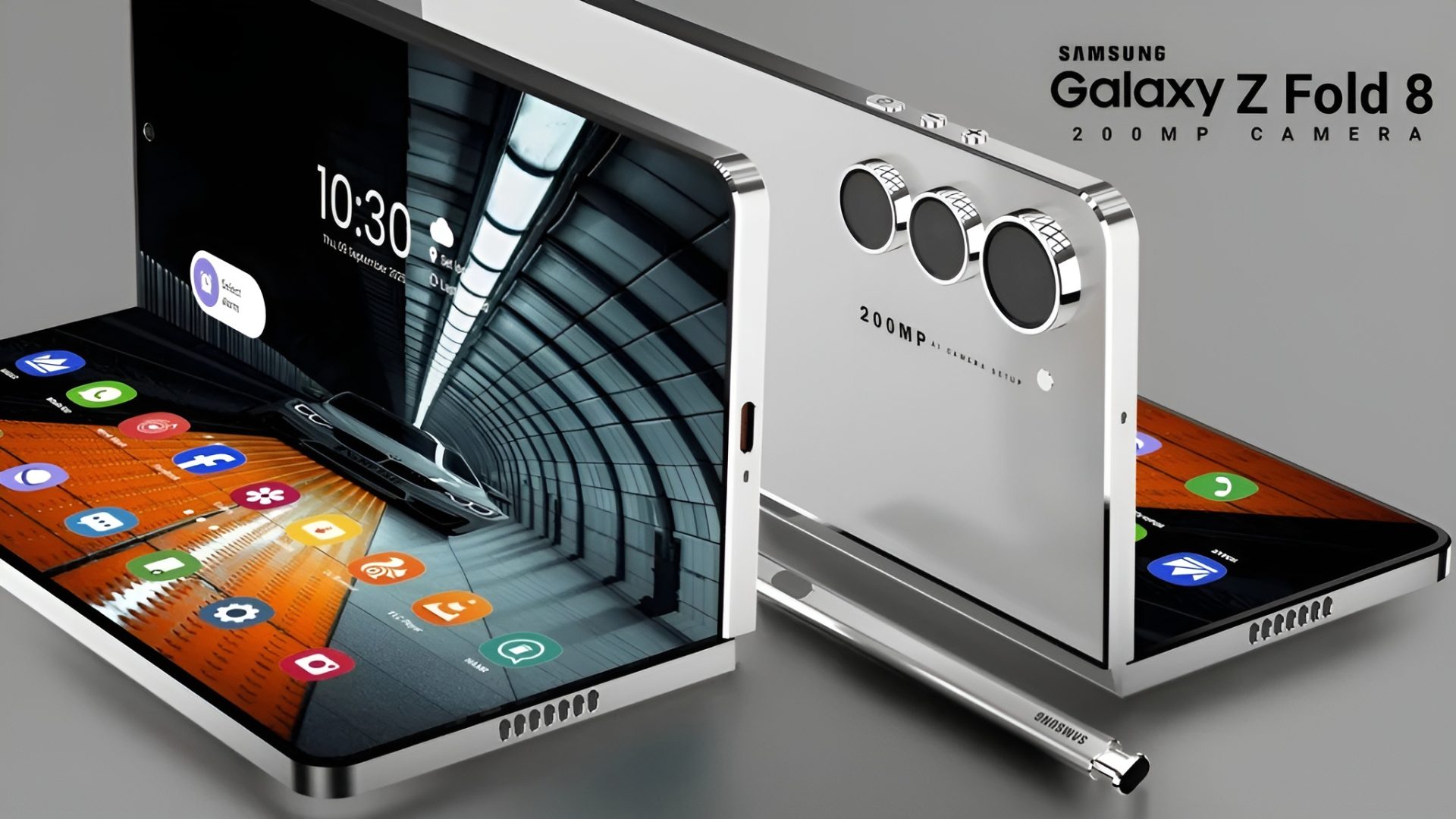
- Key specifications:
- Display: Dynamic AMOLED 2X, peak brightness 1,750 nits (HDR), adaptive refresh rate (1Hz–120Hz)
- Chipset: Snapdragon 8 Gen 3 for Galaxy
- Performance: 10% CPU improvement, 15% GPU efficiency over previous generation
- Battery: 4,400mAh capacity, up to 16 hours mixed usage (claimed)
- Weight: Galaxy Z Fold 8 Ultra: 237 grams; Galaxy Z Fold 8: 201 grams
The standard Galaxy Z Fold 8, while sharing many core components with its Ultra counterpart, prioritizes portability. Weighing in at just 201 grams, it is the lightest large foldable on the market—a feature that could significantly influence enterprise adoption for professionals who value mobility without sacrificing functionality.
The Next Chapter for Foldables: Integration and Workflow
As foldables mature, the focus will increasingly shift from hardware specifications to how these devices integrate into existing workflows. Samsung’s improvements in battery efficiency and display adaptability hint at a future where foldables can seamlessly transition between power-saving modes and high-performance states without compromising usability. For enterprises, this means evaluating not just individual components but their collective impact on productivity—particularly for teams in fields like design, engineering, or field service.
The Galaxy Z Fold 8 Ultra is poised to carry a premium over its standard counterpart, reflecting its targeted positioning for power users. While availability and pricing details remain under wraps, industry trends suggest that the Ultra model will cater to professionals who demand the best in performance and display quality. The decision to adopt either model will ultimately hinge on how these upgrades translate into daily productivity—where the practical benefits outweigh the marketing claims.