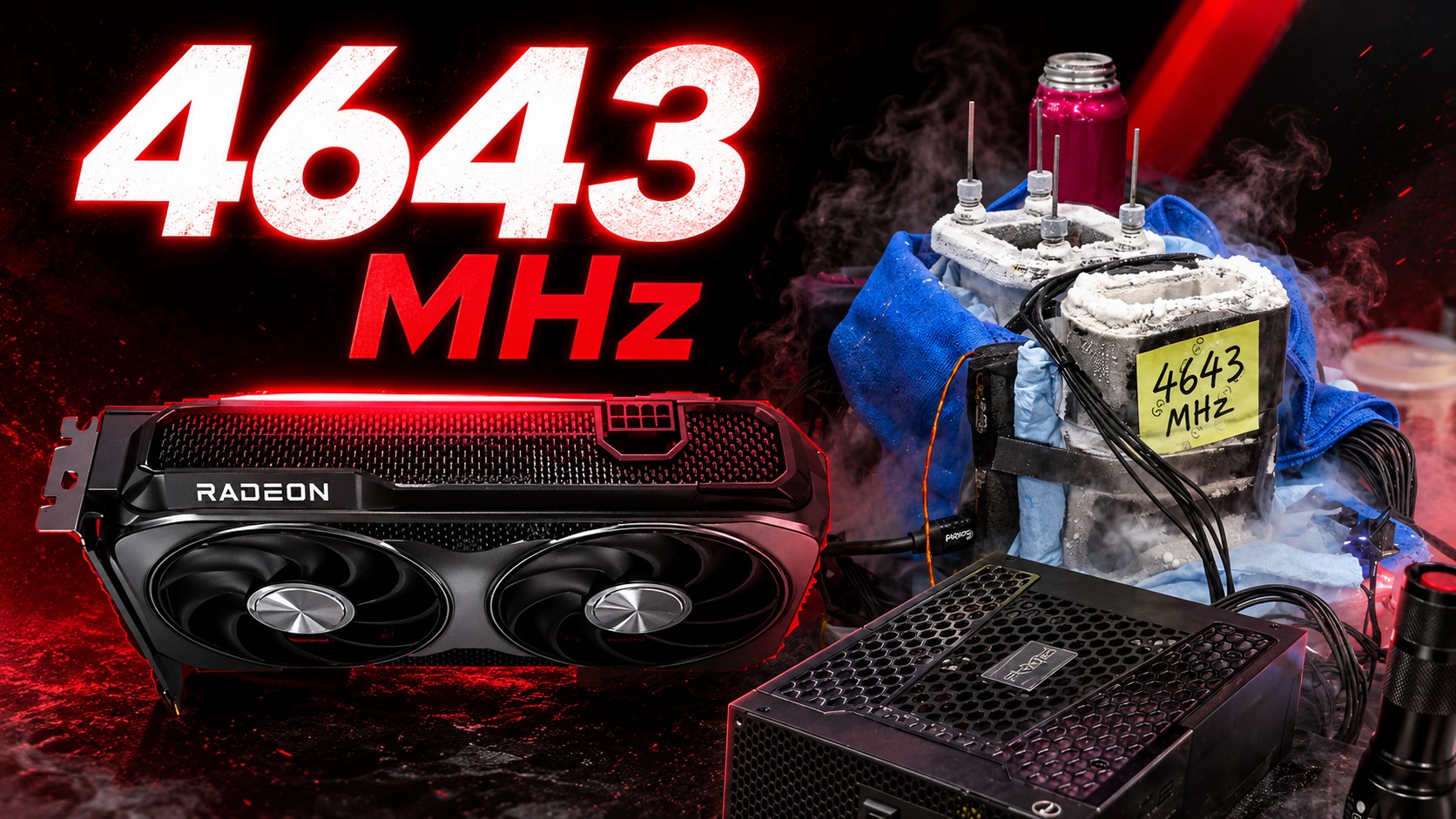
The Radeon RX 9060 XT has just moved into second place in terms of maximum clock speed, reaching 4.64 GHz—a figure that was previously the preserve of more expensive GPUs. This shift doesn't just break records; it forces a rethink on what gamers should expect from budget graphics cards and when they might consider an upgrade.
AMD's latest overclocking achievement on the RX 9060 XT wasn’t just about hitting a higher number—it was about pushing the boundaries of what’s possible without sacrificing efficiency. The GPU, which already offered strong performance in its price bracket, has now demonstrated it can sustain clocks that were once seen only in mid-range or high-end models. For gamers weighing their options, this means the line between budget and mid-tier is blurring faster than expected.
Key specs and what’s different
The RX 9060 XT isn’t just a speed demon—it also brings improvements in power efficiency that could make it a standout choice for those who prioritize heat and wattage over raw performance. The GPU is built on AMD's RDNA 3 architecture, which already promised better efficiency, but the new clock speeds take that further. Here’s what sets this model apart
- Maximum Clock Speed: 4.64 GHz (previously reserved for higher-tier GPUs)
- Architecture: RDNA 3
- Memory: 8 GB GDDR6, 256-bit bus
- TDP: 170W (varies by model)
These specs mean the RX 9060 XT can now compete with more expensive GPUs in terms of clock speed while maintaining a lower power draw. That’s a significant advantage for gamers who want to avoid overheating or excessive power consumption, especially in systems where cooling isn’t top-tier.
Why this matters for upgrade decisions
The real question isn’t just whether the RX 9060 XT can hit higher clocks—it’s what that means for gamers who are trying to decide if now is the right time to upgrade. The answer lies in balancing performance, efficiency, and heat. A GPU that can push 4.64 GHz but also runs cooler and more efficiently than its predecessors could change the calculus for many users.
For those currently using older GPUs or those who skipped the previous generation, this milestone suggests that the RX 9060 XT might offer a compelling alternative to waiting for the next big release. It’s not just about raw speed; it’s about getting more performance without the usual trade-offs of higher power consumption and heat output.
What’s still unclear
While the clock speed achievement is confirmed, some details remain unanswered. For example, how much of this overclocking can be sustained in real-world gaming scenarios without throttling? And how does it compare to other GPUs in the same price range when factoring in efficiency and heat output?
The RX 9060 XT’s performance is now squarely in the conversation for mid-tier GPUs, but whether it can maintain that position long-term depends on how AMD handles future updates and optimizations. For now, gamers have a new benchmark to consider—one that blurs the lines between budget and mid-range, forcing a closer look at what’s truly worth upgrading to.