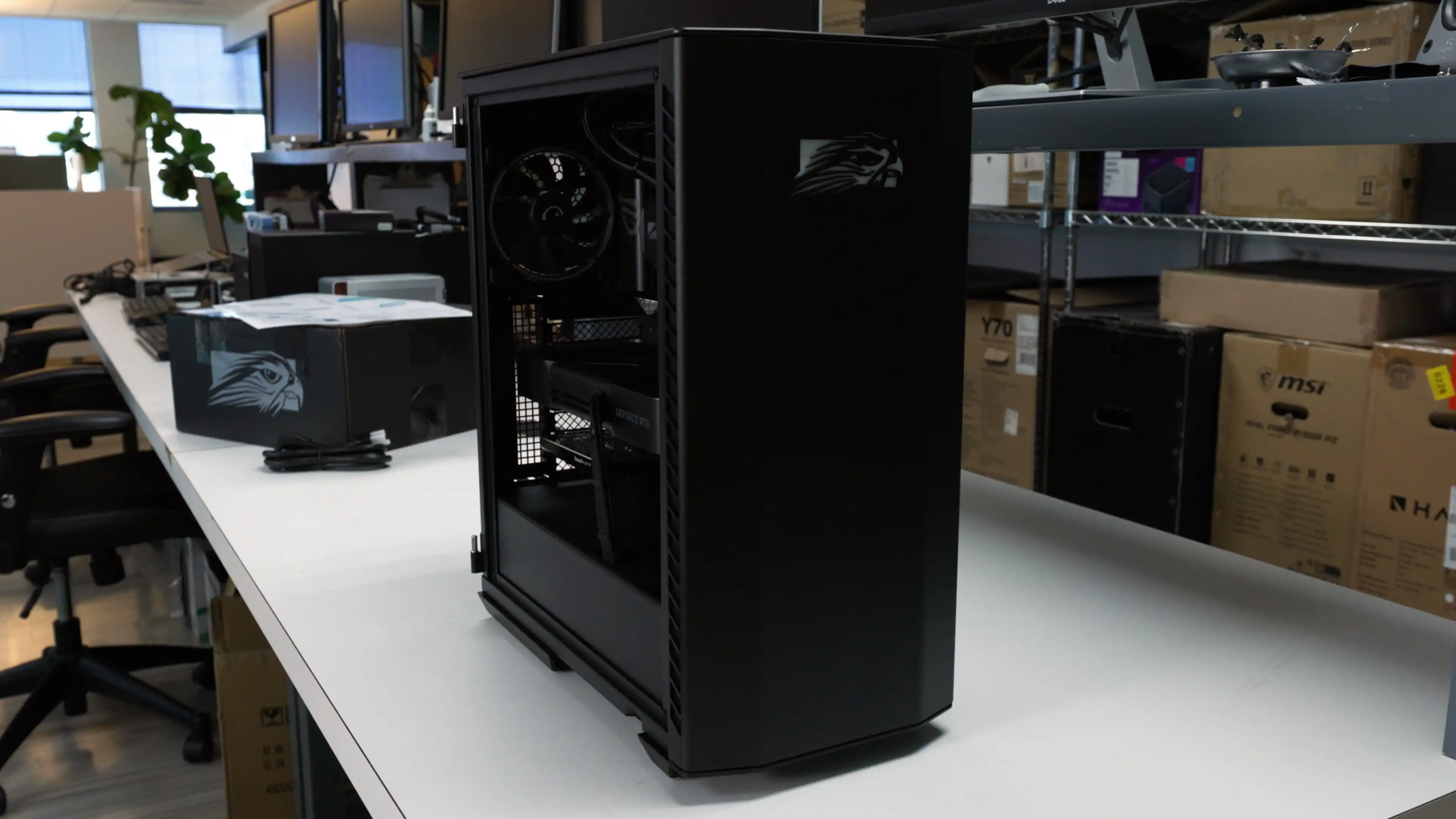
Geometric Future has introduced a lineup of high-end PC cases, power supplies, and liquid coolers designed to handle the demands of modern high-performance systems. The centerpiece is the Model 9 ultra-tower chassis, which redefines airflow management with isolated thermal zones for CPU, GPU, and PSU cooling.
The Model 9 measures 750 x 300 x 608 mm and features a triple-chamber layout, allowing it to accommodate up to ten 140 mm fans. A dedicated 420 mm top-mounted AIO cooling compartment ensures that liquid coolers can operate without interfering with the rest of the system. The front I/O panel includes four USB 3.0 ports, four 20 Gbps USB Type-C ports, and HD audio support.
For those looking for more compact options, Geometric Future also showcased prototypes of the Model 7 and Model 7 Extreme. These cases use a floating triple-chamber design to separate thermal zones, supporting E-ATX motherboards, GPUs up to 470 mm in length, CPU coolers up to 180 mm tall, and ATX power supplies up to 220 mm deep. They also include support for up to 12 fans and radiators up to 420 mm, as well as a dedicated display compartment for figures or collectibles.
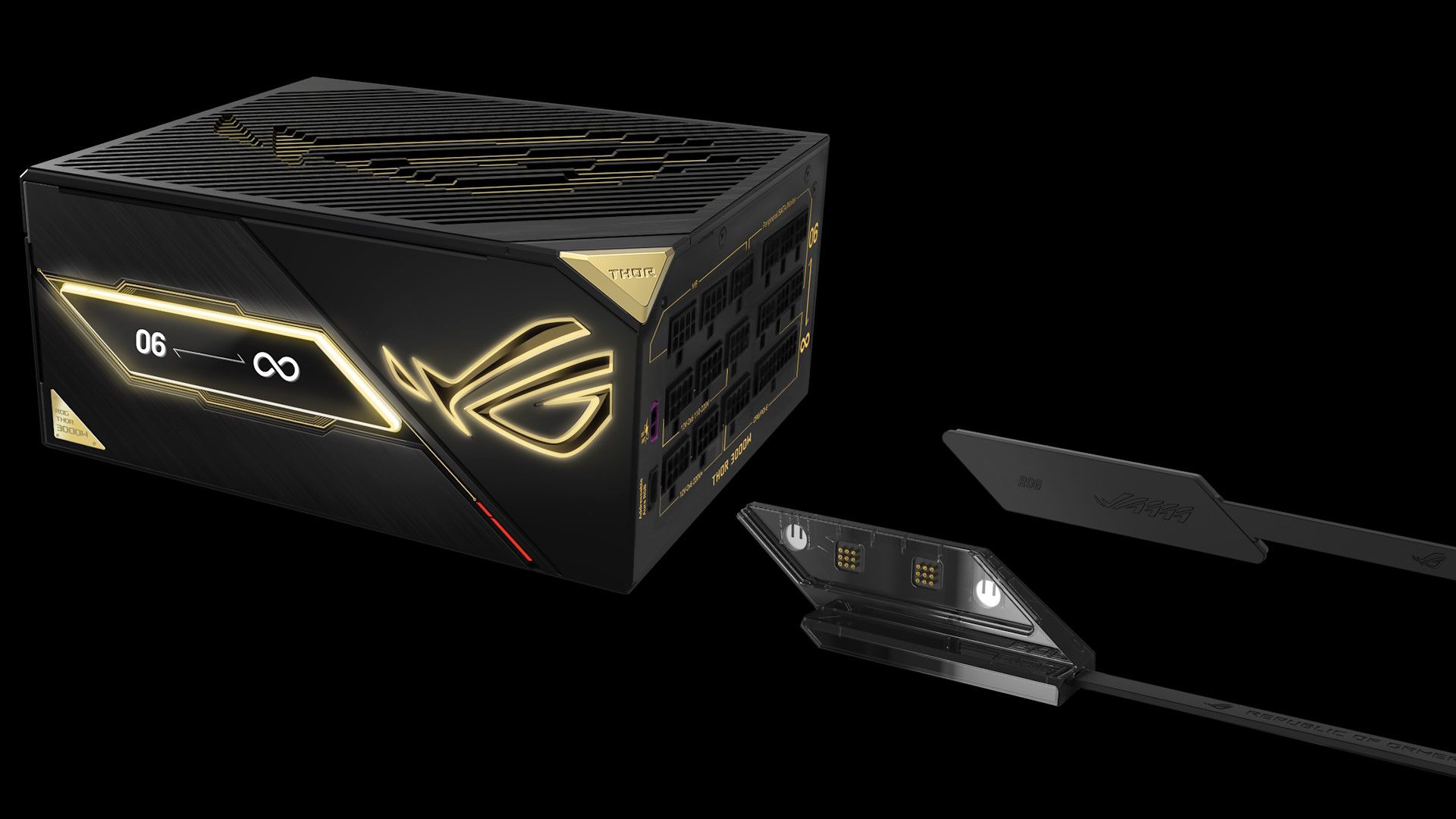
The company’s power supply lineup includes the Alpha Platinum and Beta Gold series. The Alpha range will be available in 850 W, 1000 W, and 1200 W capacities, while the Beta series features 750 W, 850 W, and 1000 W models. Both series comply with the ATX 3.1 specification and include advanced cooling features such as 120 mm fans, Active PFC, Full-Bridge SRC LLC, and Japanese primary capacitors.
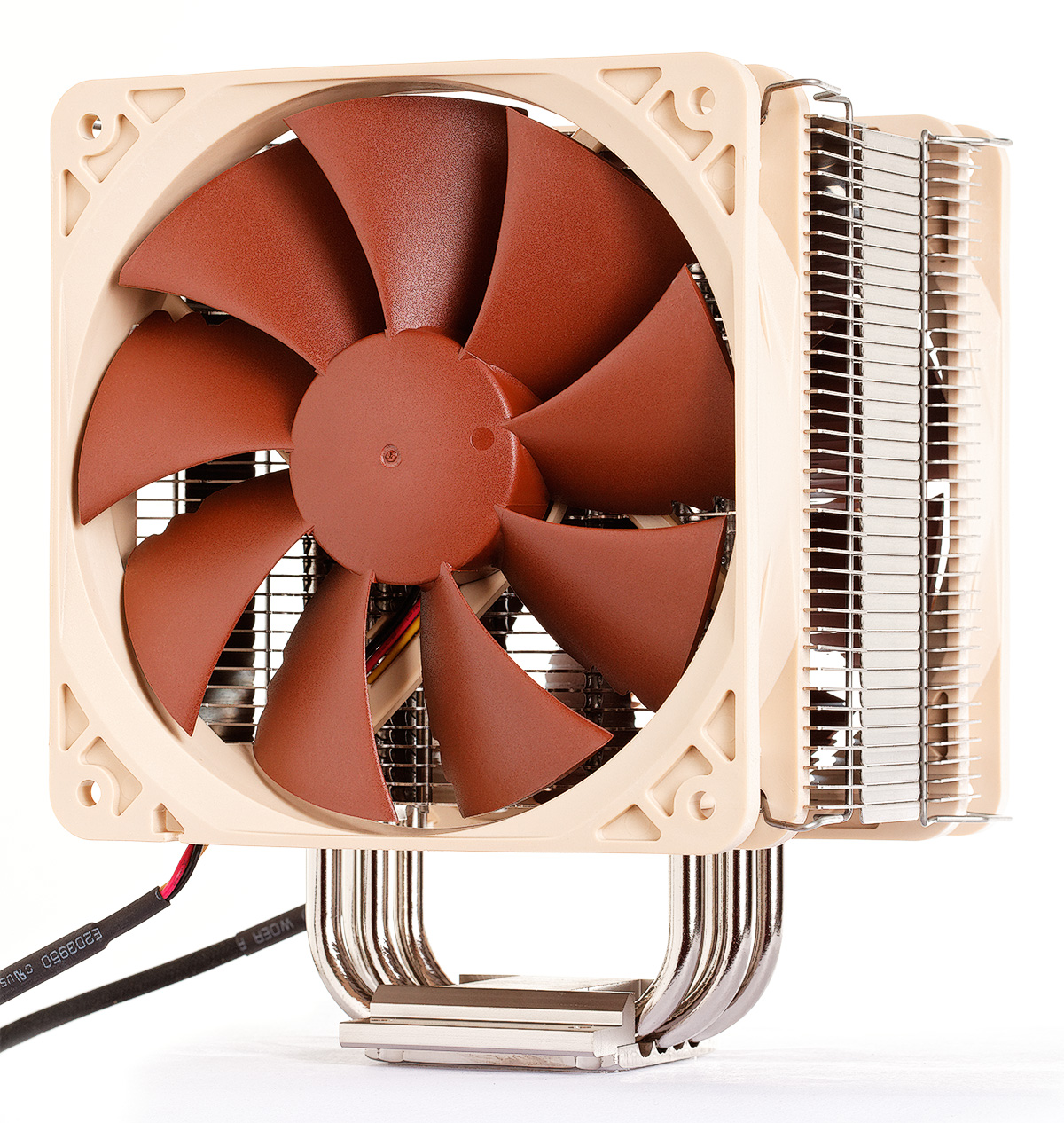
Geometric Future also showcased its existing Squama 3003 performance fans in 120 mm and 140 mm variants, along with the Eskimo Ultra 42, Eskimo Pro 42, and Eskimo Plus 36 AIO liquid coolers. These components are designed to provide high-performance cooling while maintaining a sleek aesthetic.
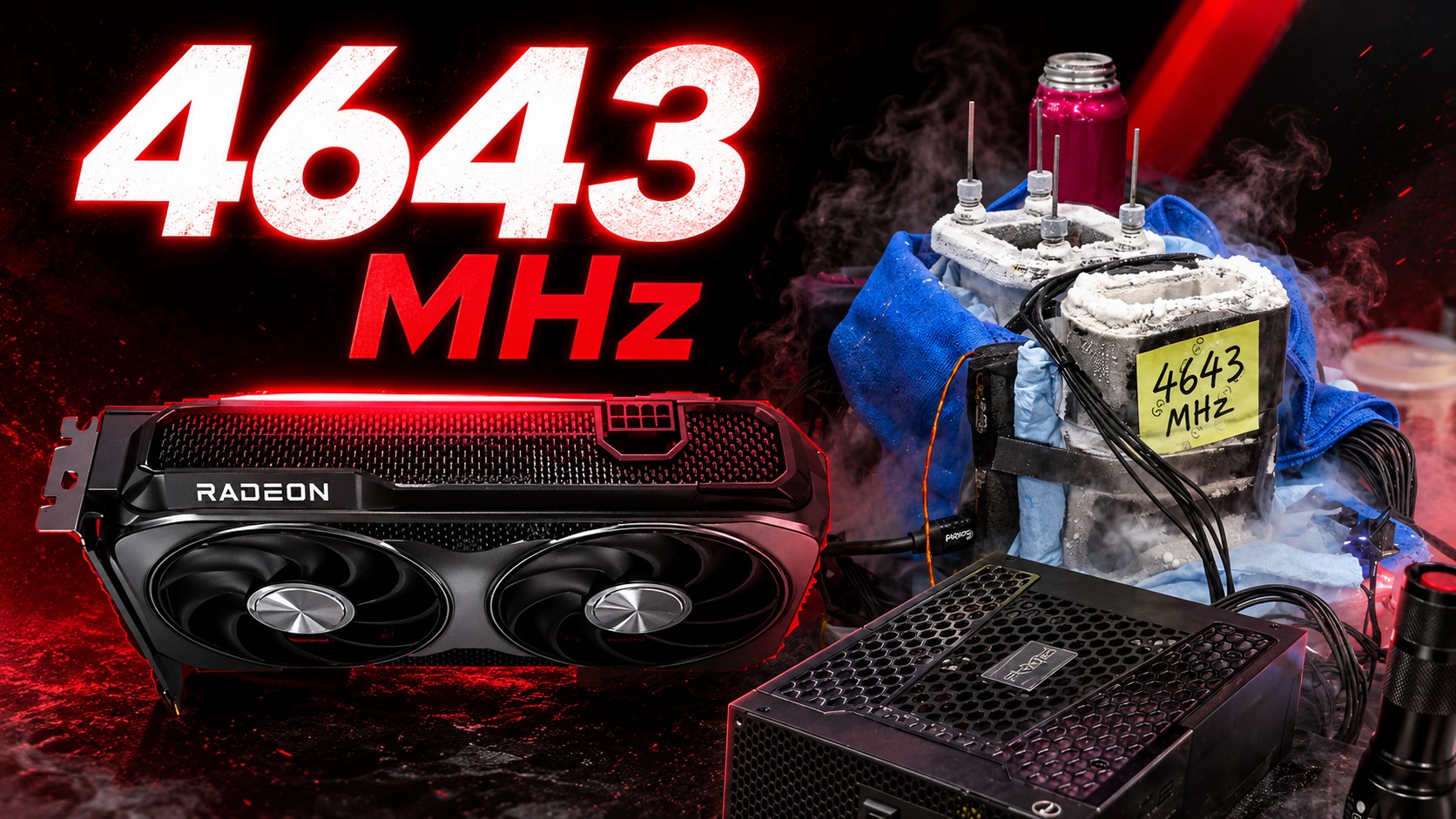
The introduction of these products signals a shift toward more modular and thermally efficient PC builds. The Model 9’s ultra-tower design is particularly notable for its ability to handle high-wattage systems, including GPUs like the RX 9070 XT that can draw up to 2000 W under load. This focus on thermal management and modularity positions Geometric Future as a key player in the premium PC hardware market.
That’s the upside—here’s the catch. While the Model 9 and its siblings offer impressive cooling capabilities, their large form factors may not be suitable for all builds. The ultra-tower design is ideal for high-end systems but could be overkill for smaller or more compact builds. Additionally, the high-wattage power supplies, while necessary for next-gen components, come with a premium price tag that may not appeal to budget-conscious users.
The most important change here is the emphasis on thermal separation and modularity. This approach allows users to customize their cooling setups without sacrificing performance or aesthetics. It’s a significant step forward in PC hardware design, reflecting the growing complexity of modern systems and the need for more sophisticated cooling solutions.