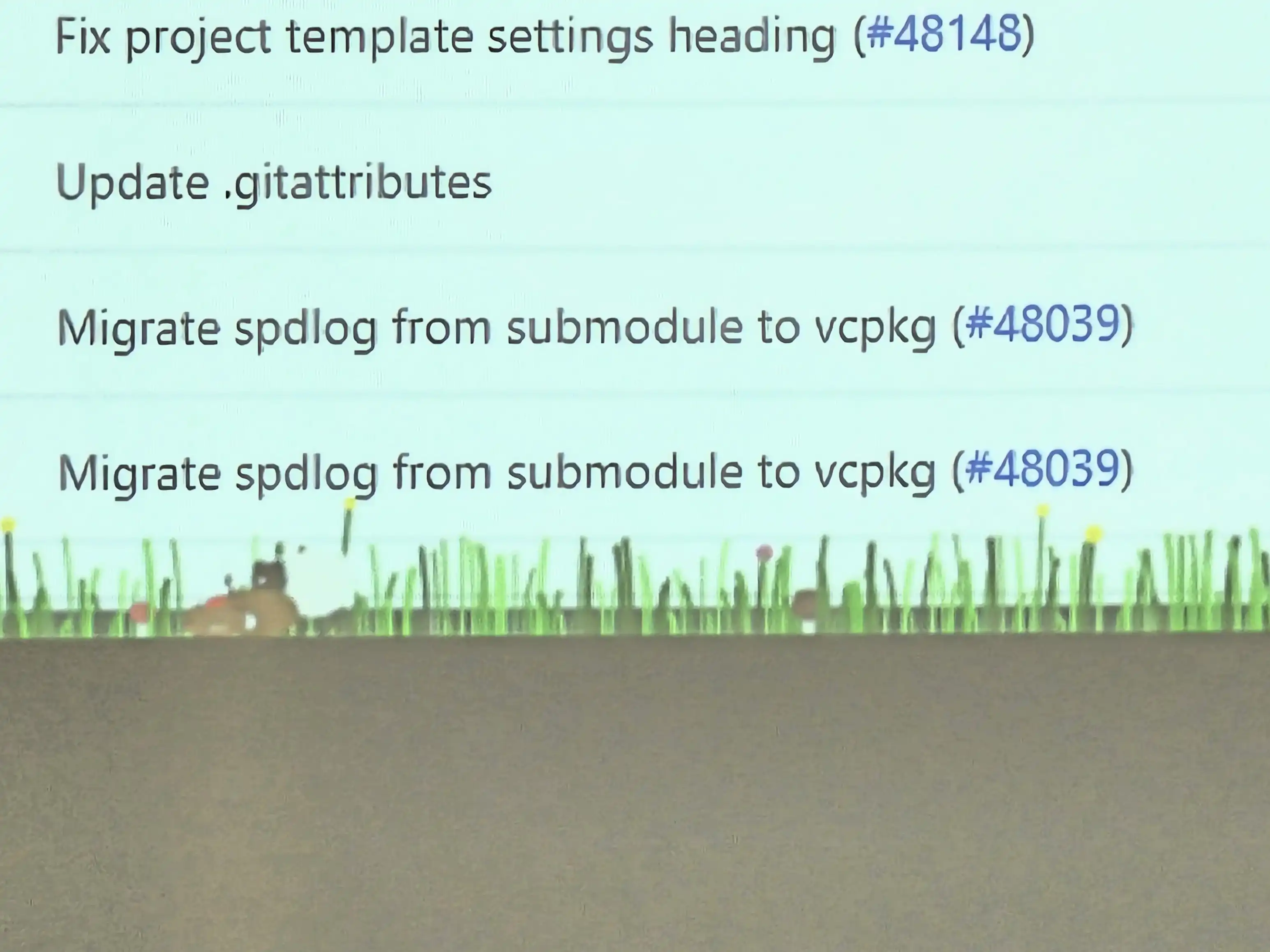
Operating systems rarely undergo silent transformations, but Microsoft’s latest steps suggest a quiet evolution is underway. The focus now lies not on flashy overhauls, but on refining the user experience through understated enhancements—starting with something as simple as animated grass.
This shift represents a deliberate move away from aggressive feature stacking toward a more refined, almost meditative approach to software design. It’s a change that could influence how IT teams evaluate upgrade cycles and prioritize deployment timelines, especially in environments where user engagement and system stability are paramount.
At a glance
- Windows 12 introduces subtle animations, including animated grass, as part of a broader push for a more serene interface.
- The update emphasizes performance and battery life without significant hardware requirements, making it accessible to existing systems.
- No major new features have been announced, but the focus on refinement suggests a long-term strategy for user experience.
- IT teams may find value in deploying this version now if workload-specific optimizations align with their needs.
The absence of dramatic new capabilities—such as a revamped taskbar or system-wide design overhaul—means Windows 12 won’t disrupt existing workflows. Instead, it aims to enhance what’s already familiar: smoother transitions between tasks, more responsive animations, and improved battery efficiency without demanding higher-end hardware. This is a stark contrast to past updates that often required significant hardware upgrades or introduced complex new features.
For IT professionals managing workloads across diverse devices, this version may offer an immediate opportunity for deployment if their environments prioritize stability over innovation. The lack of mandatory system requirements suggests compatibility with mid-range and even legacy hardware, though performance gains will naturally vary depending on the underlying specifications. The tradeoff is clear: a more polished experience now versus waiting for a more transformative update in the future.
What remains uncertain is whether this subtle approach will resonate with enterprise users accustomed to more substantial changes. Microsoft’s track record suggests that such refinements are often precursors to larger shifts, but the pace and direction of those changes are still unclear. For now, the focus is on quiet improvements—small steps that could eventually redefine how Windows operates.
The most significant change may simply be the direction itself: a shift from spectacle to substance. That, more than any specific feature, could shape upgrade decisions for years to come.