Noctua has teamed up with Carbice to bring a breakthrough in CPU cooling technology to the mass market. The partnership centers on a carbon nanotube thermal pad that eliminates the need for traditional thermal paste and offers performance that only improves over time, addressing one of the most persistent pain points in PC maintenance.
This isn't just an incremental upgrade—it's a fundamental rethinking of how heat is transferred from CPU to heatsink. Traditional thermal pastes degrade with age and require periodic reapplication, but Carbice's IP90 Nanopad, now rebadged as Noctua's NT-CP1, maintains its effectiveness indefinitely without any maintenance. This could be a game-changer for IT teams managing fleets of high-performance systems where downtime for thermal paste replacement is costly and disruptive.
The collaboration extends beyond the thermal pad to include Noctua's own testing and validation process. The company has already integrated the technology into its cooling solutions, with performance figures demonstrating measurable improvements over conventional methods. While exact benchmarks haven't been publicly released, the implications for system stability and longevity are clear: fewer thermal failures mean more reliable operations.
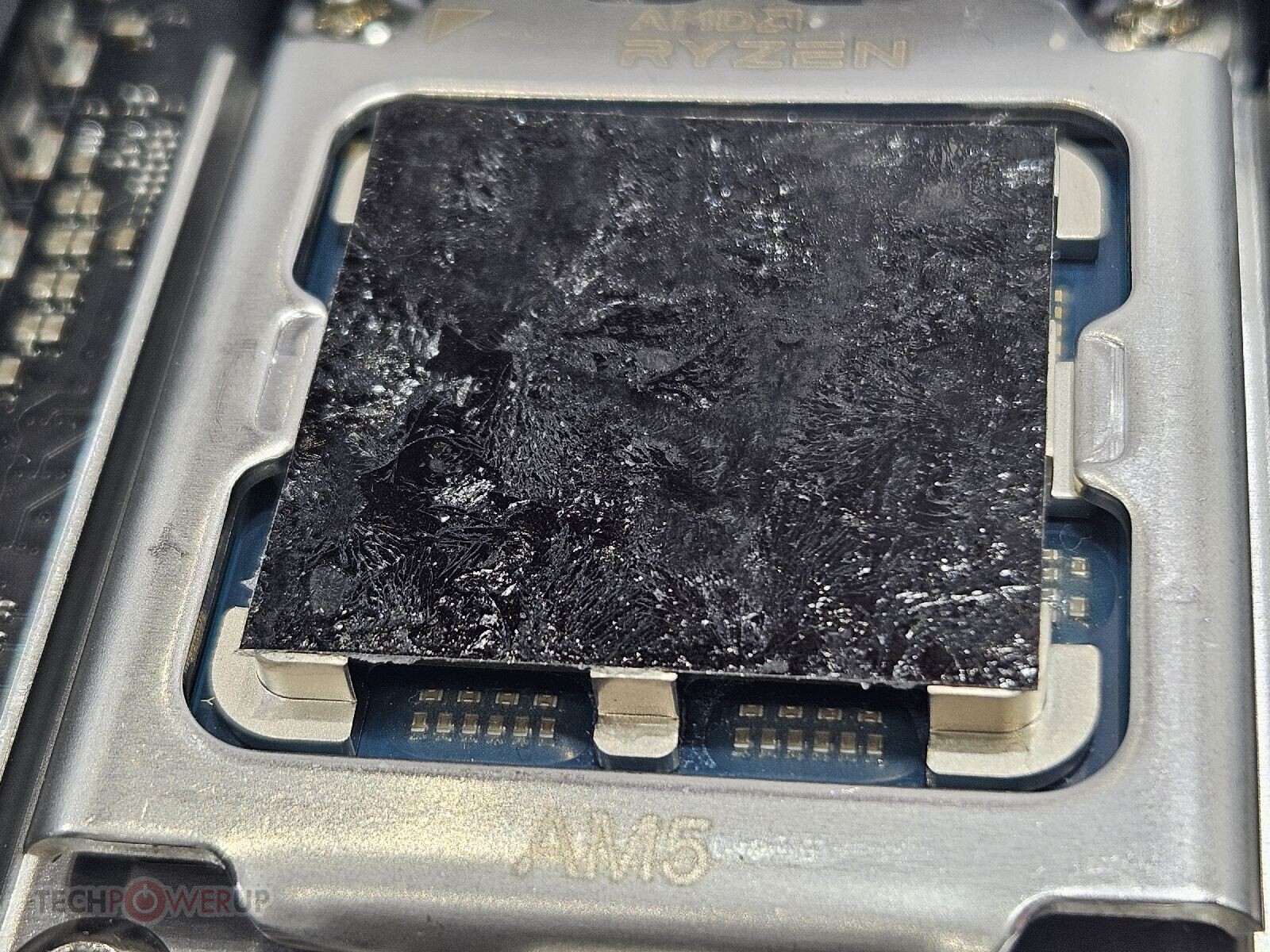
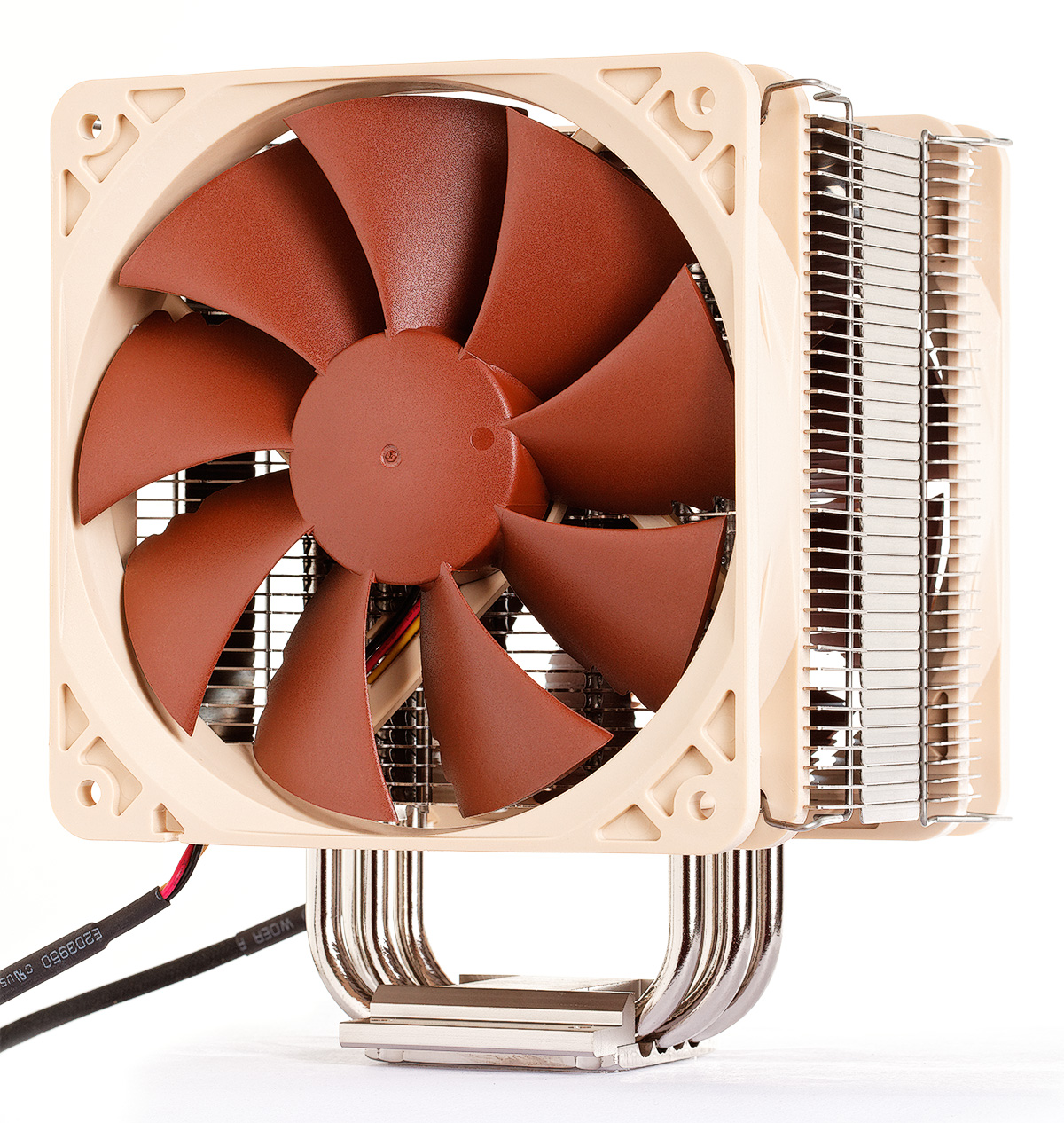
Noctua isn't stopping at the thermal pad—it's also teasing a prototype small form-factor (SFF) AM5 cooler designed specifically for Mini-ITX motherboards. This 70mm-tall unit, codenamed NH-L12 SFF, features six 6mm copper heat pipes and an aluminum fin-stack paired with a 120mm NF-A12x25 G2 fan. The design prioritizes clearance for RAM modules up to 35mm tall, making it one of the few options that doesn't sacrifice performance or compatibility in ultra-compact builds. If this cooler follows Noctua's usual product cycle, we could see it hit shelves around mid-2027.
For IT teams, the practical impact is twofold: first, the elimination of thermal paste degradation means fewer system interruptions and lower maintenance costs over the lifespan of a machine. Second, the SFF cooler prototype suggests Noctua is doubling down on addressing the growing demand for high-performance cooling in space-constrained environments, where traditional air coolers often struggle to balance size and efficiency. The partnership with Carbice adds another layer—one that could set a new standard for reliability in thermal management.
What remains unclear is whether this technology will scale beyond Noctua's product line or if it will remain exclusive to the company's ecosystem. If it proves successful, we may see similar solutions emerge from competitors, but for now, Noctua and Carbice hold a distinct advantage in offering a solution that doesn't just meet current cooling demands but could redefine them.