A user boots their system, expecting the usual hum of fans and the faint glow of RGB lighting. Instead, silence dominates. The power supply runs cool to the touch, the radiators barely vibrate, yet the system remains stable under heavy workloads—no thermal throttling, no audible strain.
This scenario is no longer hypothetical. A recent hardware announcement introduces a lineup that merges high wattage with near-silent operation, challenging conventional assumptions about power delivery and cooling in modern PC builds. The focus isn’t just on raw performance metrics but on operational cost—both financial and auditory.
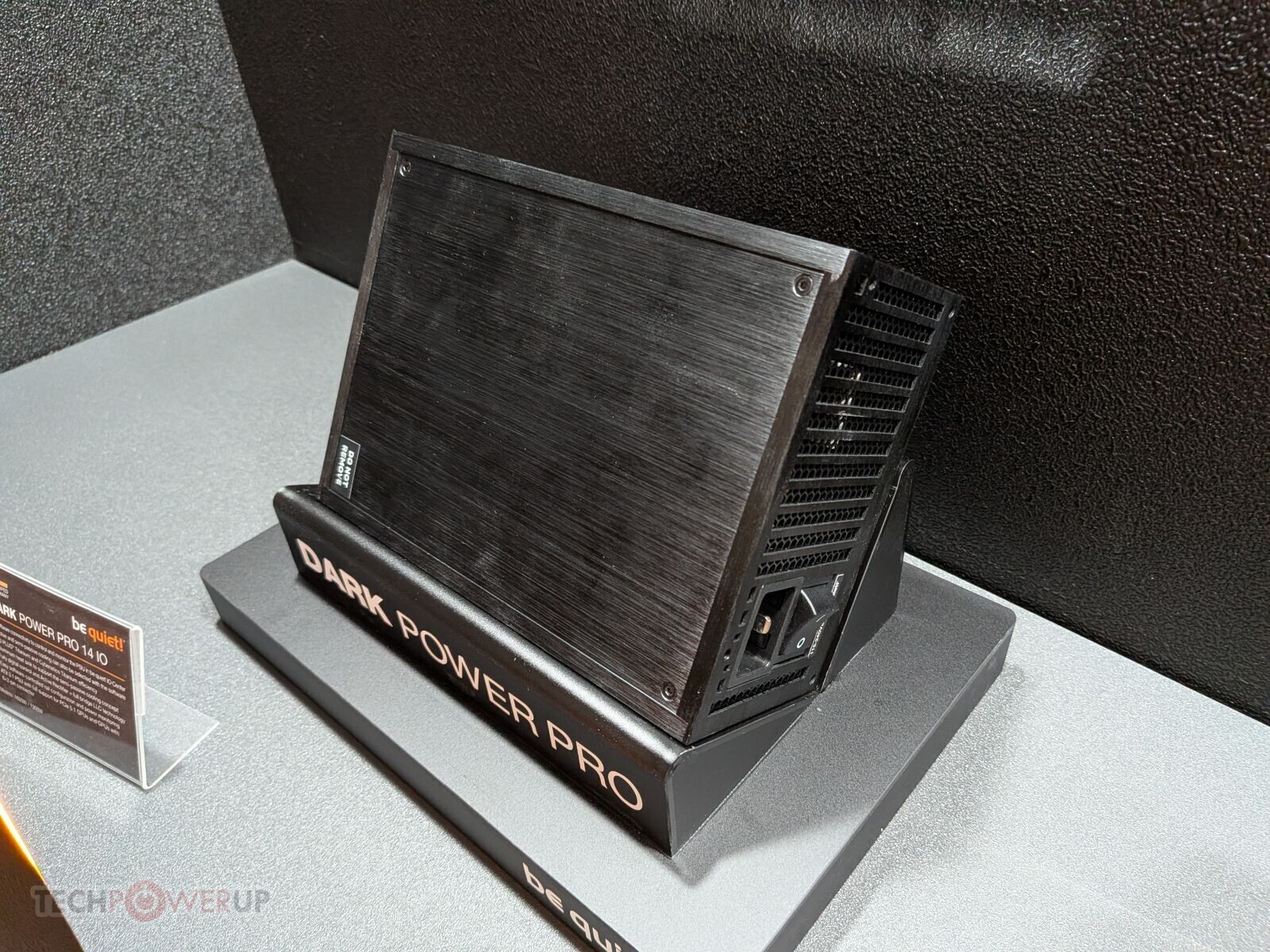
The centerpiece of this shift is a 1300 W and 1600 W power supply unit (PSU) that achieves 80 Plus Titanium efficiency ratings up to 94.0%. Unlike traditional PSUs, it employs fully digital control architecture paired with a 135 mm semi-passive fan designed for minimal noise output. Real-time power monitoring and rail configuration are handled through dedicated software, allowing users to adjust settings without compromising efficiency.
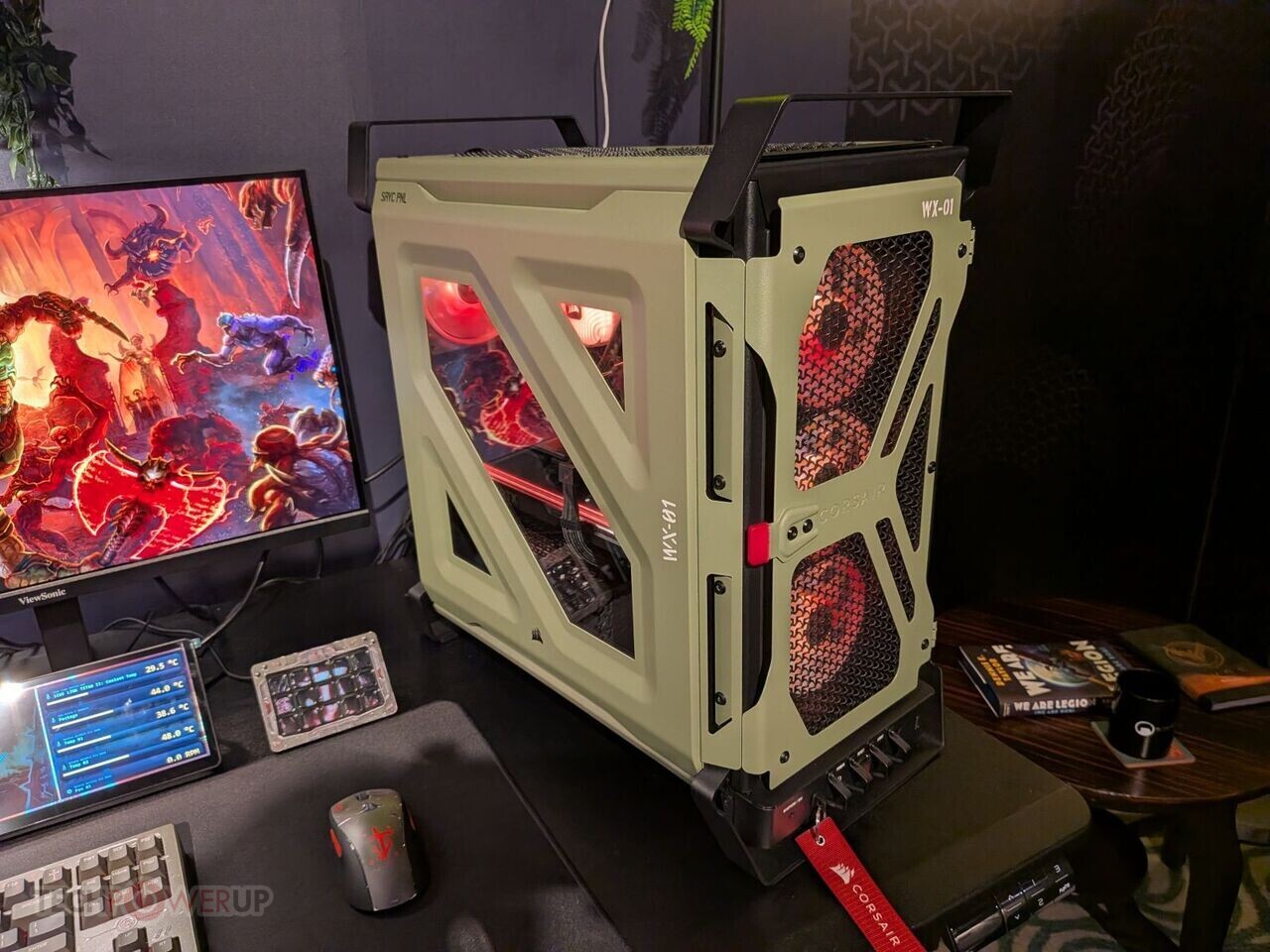
This isn’t an isolated product but part of a broader ecosystem. A new chassis series supports back-connect motherboards and accommodates up to three 420 mm radiators, catering to both gaming and productivity builds. The Workstation variant takes this further by supporting EEB/CEB form factors and housing for up to ten hard drives—ideal for extreme productivity setups.
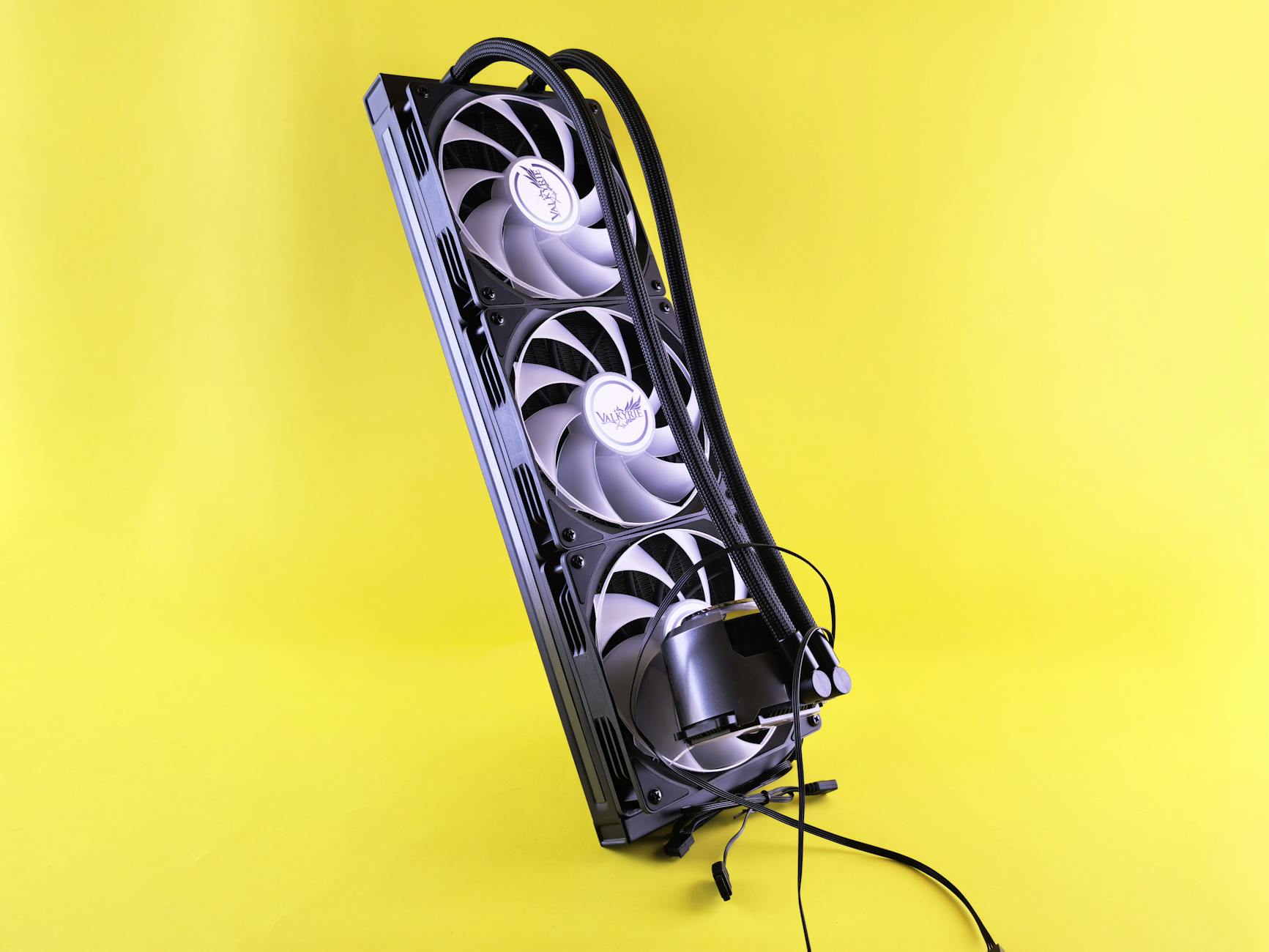
Cooling innovations extend beyond liquid solutions. A new line of fans features 124 LEDs configurable across four zones, Fluid Dynamic Bearings (FDB), and a zero RPM semi-passive mode. Meanwhile, an all-in-one liquid cooler (AIO) integrates a 2.1-inch IPS display with 480 x 480 resolution and 500 nits brightness, daisy-chained high-speed fans, and magnetic cable management for clean builds.
For air cooling enthusiasts, a massive heatsink with a 4.5-inch IPS LCD panel (600 nits) offers system monitoring and custom visuals. Two custom Silent Wings PWM fans allow toggling between Performance and Quiet modes via software, ensuring near-silent operation even under load.
This isn’t just about hardware—it’s a rethinking of how users interact with their systems. The semi-passive cooling, digital control architecture, and modular designs suggest a future where performance doesn’t come at the cost of silence or efficiency. For users deciding between upgrades, the question becomes: Is this the point where operational cost—both in wattage and noise—becomes a primary consideration?
What remains unclear is how widely these features will be adopted beyond enthusiast builds. While the specs are impressive, their practical impact on everyday use hinges on whether manufacturers can balance performance, efficiency, and silence without sacrificing longevity or compatibility.