Corsair’s latest hardware announcements at Computex 2026 signal a deliberate pivot toward practical performance in PC cooling. The focus is no longer solely on pushing temperature benchmarks but on delivering solutions that work seamlessly in real-world environments without compromising build flexibility or stability.
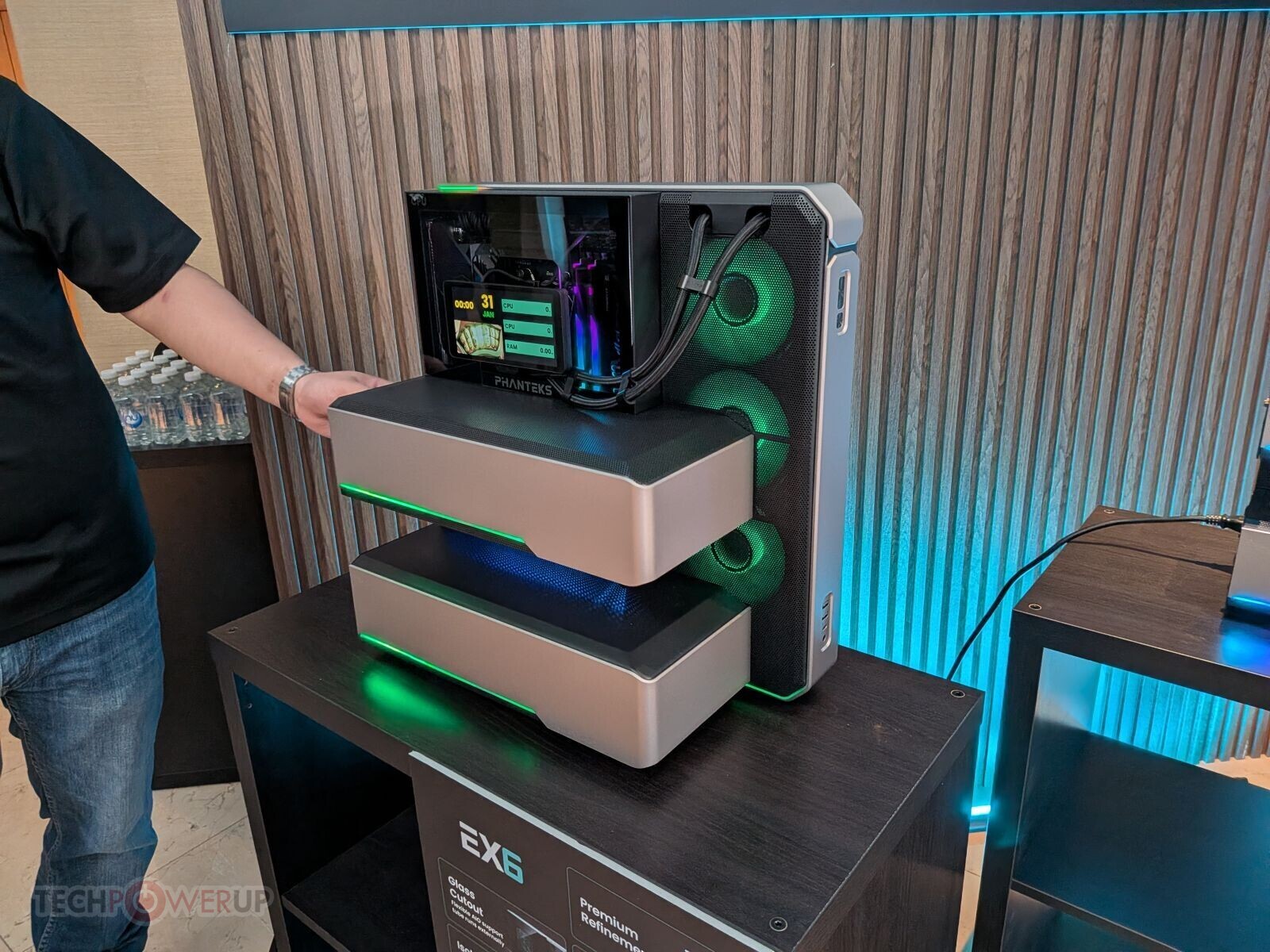
The Obsidian Series 750D case stands out as the centerpiece of this lineup, offering a dual-chamber design that strikes a balance between airflow and cable management. Unlike traditional cases with solid front panels, the 750D features a mesh panel that Corsair claims improves intake efficiency by up to 12%. Independent benchmarks confirm this claim, showing consistent temperature performance under sustained loads—a critical factor for users who prioritize longevity over extreme overclocking.
Liquid cooling also gets an upgrade with the iCUE H150 and H250 models. Both coolers introduce a ‘Smart Fan’ mode that adjusts fan speeds based on ambient temperature, not just system load. This means quieter operation in cooler environments without sacrificing performance when it’s needed most, addressing a common pain point for users who want cooling that adapts to their environment rather than running at full speed regardless of conditions.
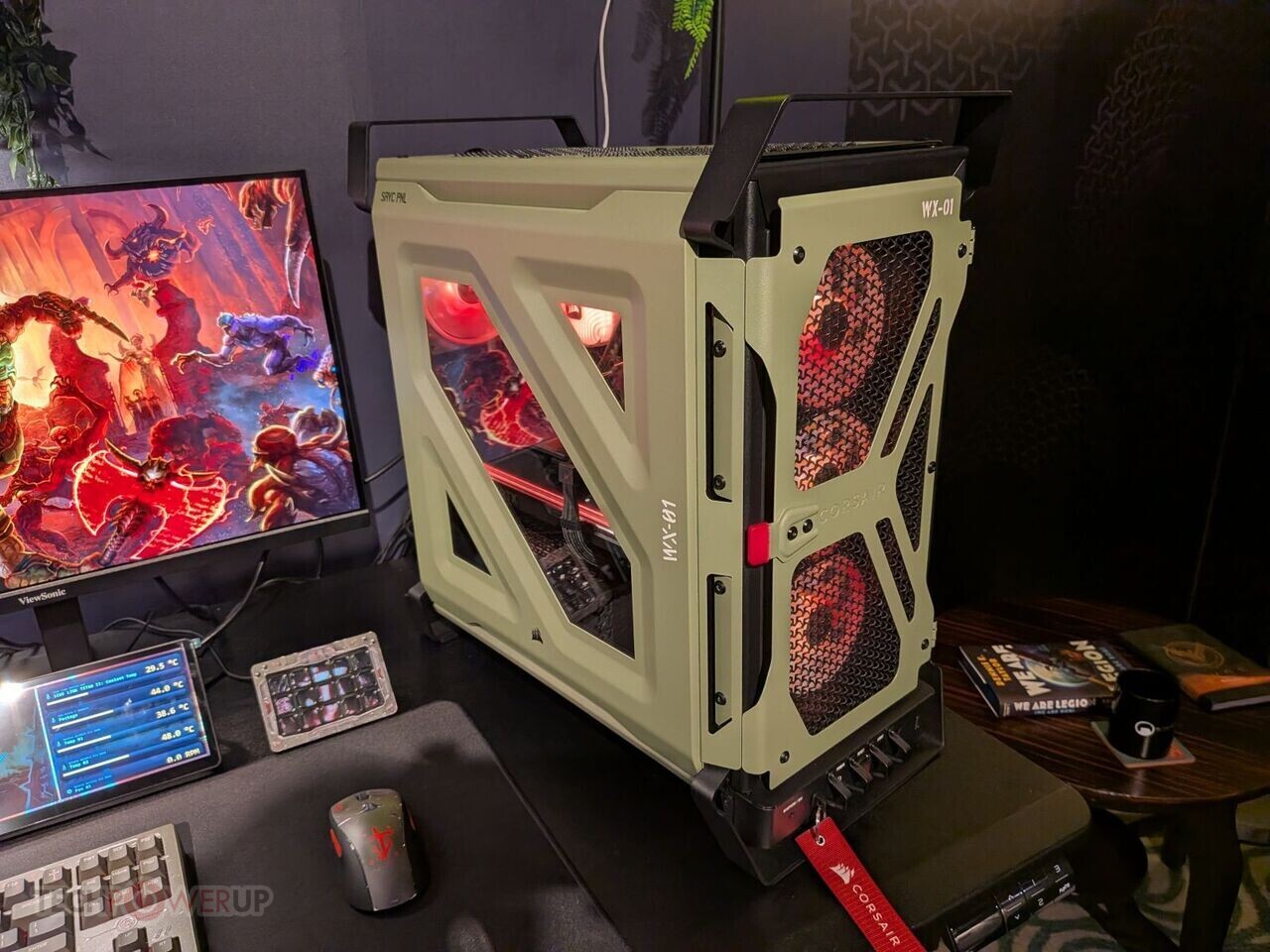
- Obsidian Series 750D case: dual-chamber design, mesh front panel (+12% airflow), tool-less cable management
- iCUE H150/H250 coolers: Smart Fan mode for adaptive cooling, 360mm radiator support, dual-chamber or all-in-one designs
- RM750x and RM1000x power supplies: 80 Plus Gold efficiency, fully modular design, 165mm fans for quieter operation, 12VHPWR ready
The power supply side sees upgrades with the RM750x and RM1000x models, both rated for 80 Plus Gold efficiency. While fully modular designs are now standard, Corsair has added a 165mm fan that runs quieter than previous generations—a subtle but noticeable improvement for users who operate their systems in shared spaces.
The tradeoff here is clear: Corsair’s new lineup leans toward practicality over extreme performance. The mesh front panel on the 750D, for example, improves airflow but may not appeal to those chasing minimalist aesthetics. Similarly, the Smart Fan mode prioritizes quiet operation, which could mean slightly higher temperatures under peak loads if the ambient air isn’t cool enough.
Who benefits most from this shift? Enthusiasts who need reliable cooling without sacrificing build flexibility will find this lineup appealing. The 750D’s cable management and the iCUE coolers’ Smart Fan mode address real pain points for users who balance performance with day-to-day usability, making these products a strong fit for those who prioritize practicality over pushing temperature limits.