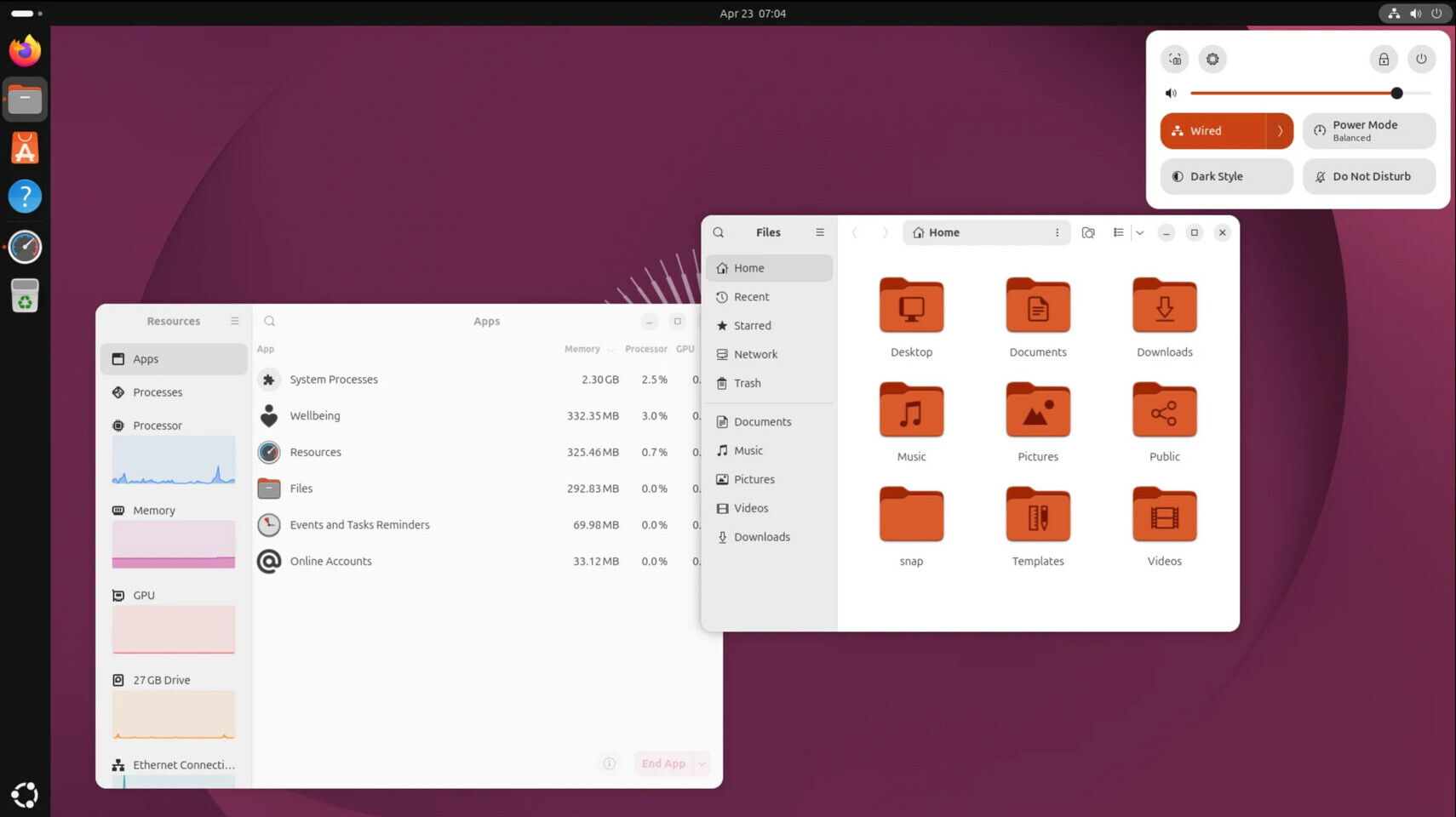
Ubuntu will introduce opt-in AI features in upcoming releases, focusing on open-source models and local inference to enhance performance while addressing operational costs and user trust.








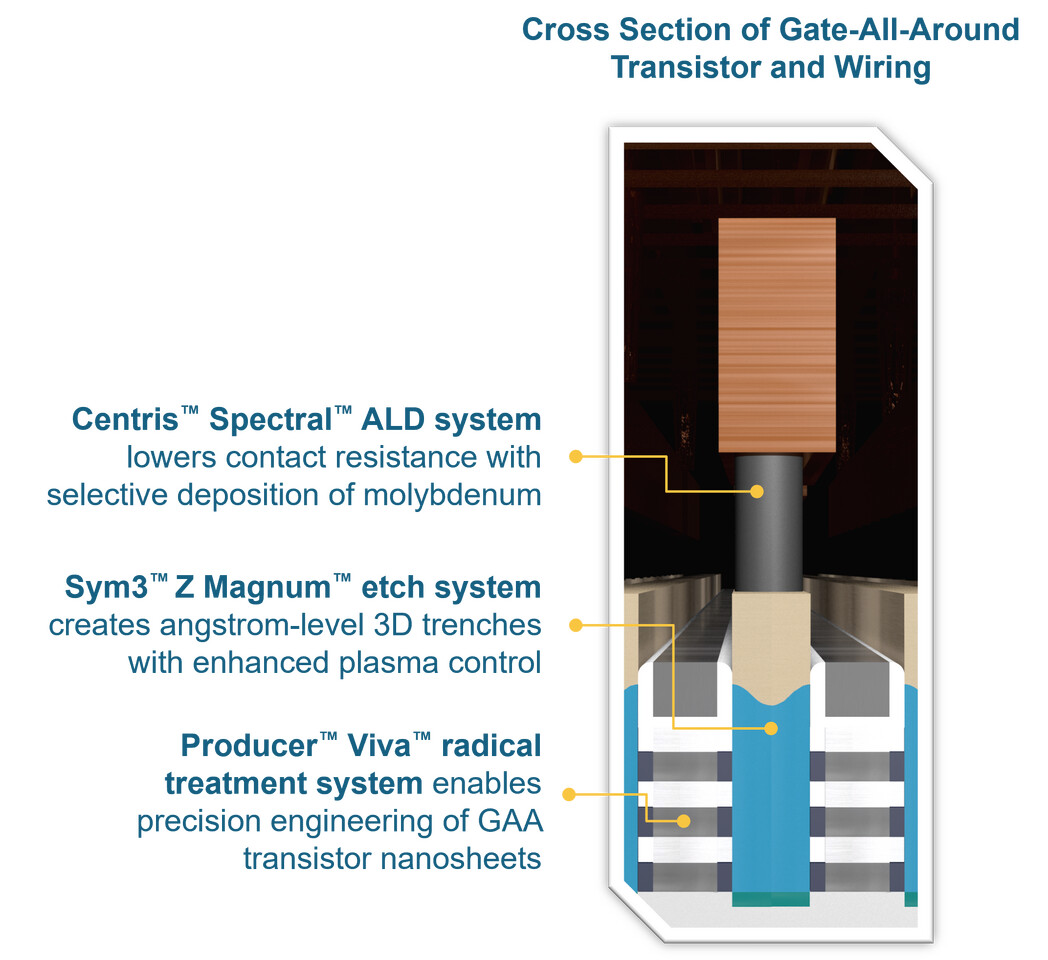
A new wave of semiconductor systems targets AI acceleration by refining the building blocks of next-gen chips—from...

The sequel’s cooperative features arrive as a carefully layered addition—never the foundation. Developers reveal ho...

Nioh 3’s PC release delivers stunning combat and world design, but its Katana Engine struggles with optimization, l...

The developers behind *Fallout 76* never anticipated the game’s player base would become a model of cooperation in...

Early benchmarks of the Tensor G5 chipset show significant improvements in AI processing and efficiency, though the...
OpenAI has transformed its Responses API into a full-fledged agentic platform, introducing persistent memory, cloud...

A prominent fan-driven wiki for Genshin Impact and Honkai: Star Rail is now at the center of a legal dispute after...

South African studio Nyamakop’s heist game isn’t just a clever puzzle-platformer; it’s a sharp commentary on coloni...
Mastra’s observational memory architecture replaces dynamic retrieval with two background agents that compress conv...

ChangXin Memory Technologies (CXMT) is accelerating HBM3 production, dedicating a fifth of its 2026 manufacturing c...