The P34F SSD from Teamgroup isn’t just another flash drive; it’s a reimagining of portable storage. With 10 Gbps transfer speeds and built-in geo-location, it blurs the line between speed and security in a way no previous USB device has attempted.
This shift matters most for those who treat data mobility as a critical operational cost. Whether it’s transferring large datasets on-the-fly or ensuring compliance with location-based regulations, the P34F forces a reassessment of how USB storage can serve power users—without sacrificing performance.
But speed and tracking come with tradeoffs. The 10 Gbps capability demands careful cable selection and system compatibility, while geo-location adds complexity without solving every security concern. The result is a product that’s more than the sum of its specs—it’s a strategic move in an ecosystem still figuring out what USB storage should be.
How fast is 10 Gbps, really?
The P34F achieves sustained read speeds of up to 580 MB/s and write speeds of 560 MB/s. That’s not just faster—it’s a leap from the typical USB 3.2 Gen 2x (10 Gbps) baseline, which often plateaus around 700-800 MB/s in real-world tests.
Why does it matter? Because 560 MB/s means a 1 TB drive can copy a 4K video project in under two minutes. For mobile editors, field researchers, or anyone juggling large datasets, the bottleneck isn’t the drive—it’s the ecosystem around it.
Tracking that tracks you
The SSD includes a built-in GPS module and cloud-based location logging. Every access event is timestamped with latitude and longitude, creating an audit trail that can be reviewed through a companion app or API.
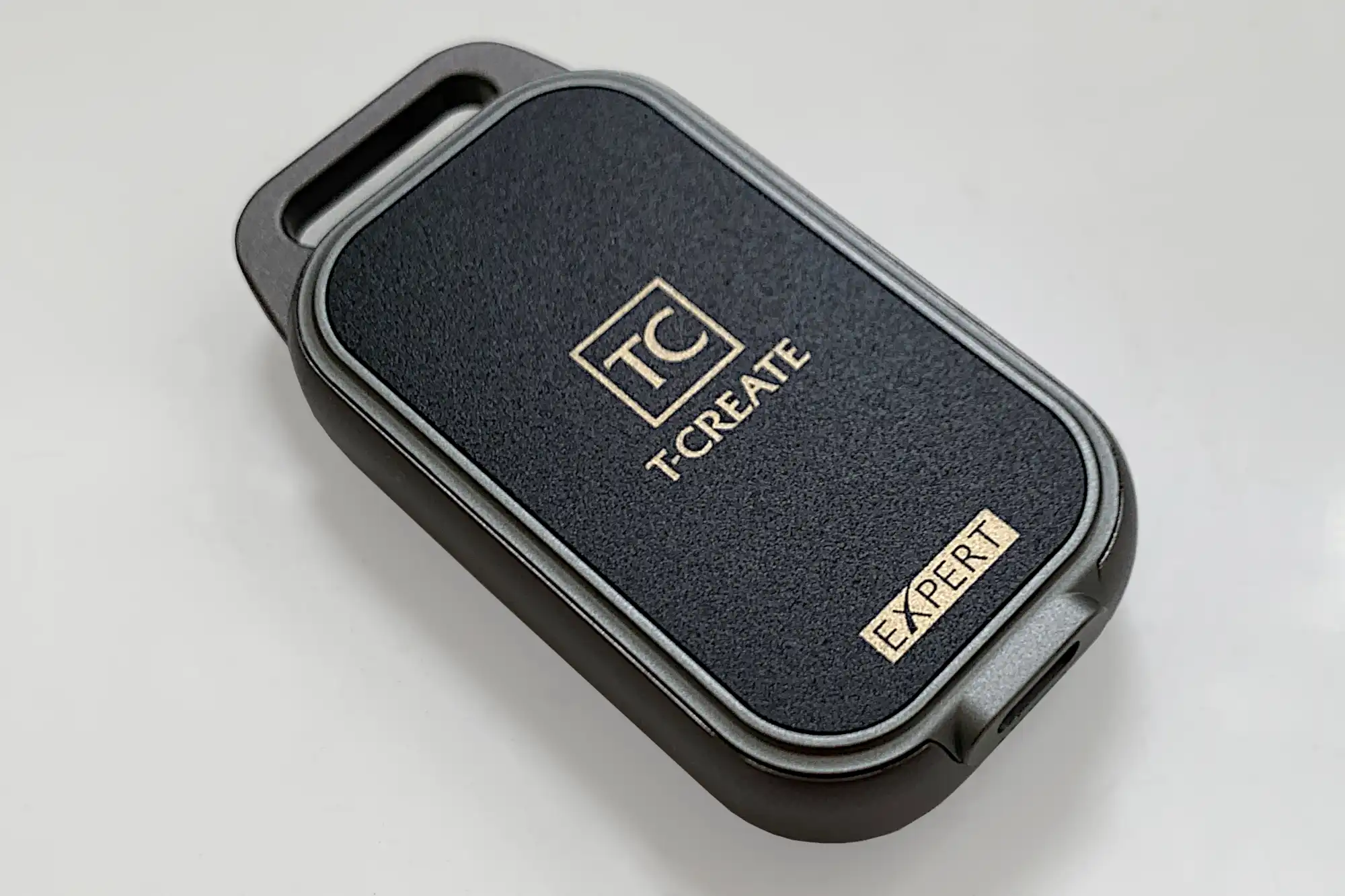
This isn’t just for security; it’s a compliance feature. Industries like healthcare or government may now treat USB drives as mobile assets—subject to the same tracking rules as laptops or servers.
- 10 Gbps transfer speeds (theoretical max)
- 580 MB/s sustained read, 560 MB/s write
- 1 TB, 2 TB capacities available
- Built-in GPS with cloud logging
- USB-C form factor, M.2 NVMe interface
The tradeoff? The GPS module adds weight and power draw, and the tracking system requires an active internet connection to sync data. It’s a feature that works best when always-on connectivity is guaranteed—not a given.
What does this mean for the ecosystem?
Teamgroup’s move signals a broader shift: USB storage is no longer just about capacity and speed. It’s becoming a platform for data governance, asset tracking, and even regulatory compliance.
For power users, that means choosing between a drive that’s blazingly fast but untracked, or one that logs every use but may drain battery faster. The P34F doesn’t resolve this tension—it sharpens it.
The real question isn’t whether 10 Gbps is worth the price. It’s whether the industry will embrace tracking as a standard feature—or if it’ll remain a niche experiment for early adopters.