In a move that underscores China’s growing self-reliance in advanced memory production, ChangXin Memory Technologies (CXMT) is ramping up its high-bandwidth memory (HBM) manufacturing pipeline. By next year, the company will allocate 20% of its total production capacity—equivalent to 60,000 wafers per month—to HBM3 modules, signaling a major commitment to domestic AI semiconductor development.
The shift comes as Huawei, a key player in China’s AI hardware ecosystem, collaborates closely with CXMT to develop proprietary HBM solutions. With global sanctions restricting access to cutting-edge memory chips from Micron, Samsung, and SK Hynix, Huawei’s latest Ascend AI accelerator relies on homegrown HBM technology—a trend that appears to be accelerating.
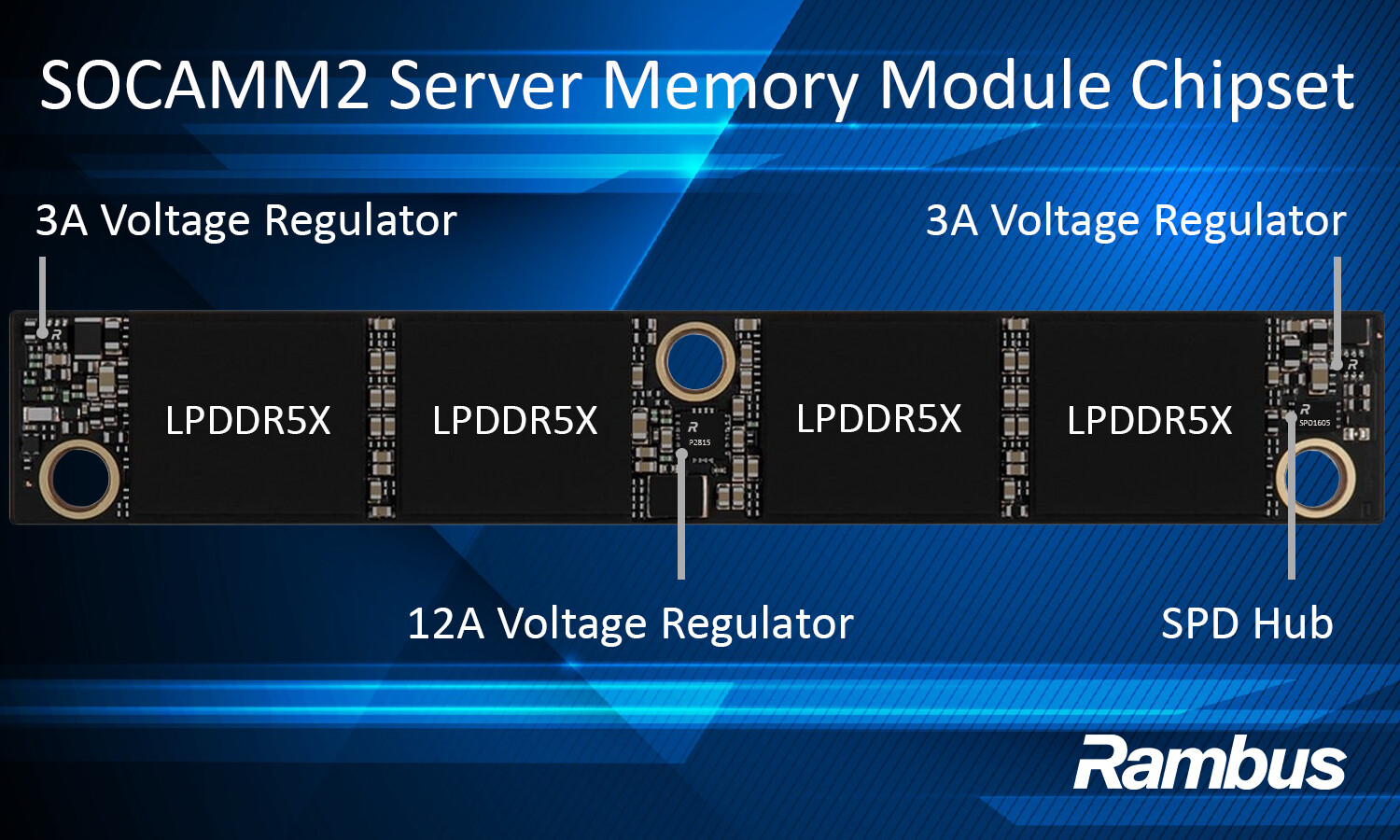
This isn’t CXMT’s first foray into high-performance memory. Earlier this year, the company showcased proprietary DDR5-8000 and LPDDR5X-10667 designs, catching the attention of major PC manufacturers like ASUS, Acer, Dell, and HP. Now, the focus has expanded to HBM3, a critical component for next-generation AI workloads.
- CXMT will dedicate 20% of its 2026 production capacity (300,000 wafers/month) to HBM3, targeting 60,000 wafers monthly.
- Huawei is partnering with CXMT to develop HBM for AI accelerators, bypassing global supply chain restrictions.
- China’s push for domestic memory production aligns with broader efforts to reduce reliance on foreign semiconductor suppliers.
- HBM3 production follows earlier successes in DDR5 and LPDDR5X, with commercial adoption already in sight.
While early yields are expected to be low, industry insiders suggest the partnership could pave the way for broader adoption of Chinese HBM in high-performance computing and AI applications. For now, the focus remains on scaling production—with potential ripple effects for GPU pricing and availability as demand for high-bandwidth memory intensifies.
Meanwhile, NVIDIA’s upcoming RTX 50 series—including the RTX 5080 SUPER (24GB) and RTX 5090 (estimated at $5,000)—will likely rely on HBM4 from SK Hynix and Samsung, further tightening supply chains. CXMT’s move could offer an alternative path for future AI hardware, though widespread adoption remains dependent on yield improvements and cost competitiveness.