Grasshopper Manufacture has built a reputation on bold, unconventional games—titles like Killer7* and No More Heroes that defy genre conventions while cultivating fiercely loyal fanbases. Yet for all its cultural impact, the studio’s financial relationship with its own back catalog remains a stark reminder of how the modern game industry tilts the odds against developers.
The studio’s Steam presence is a mixed bag. While its developer page lists nearly two decades of titles—many with strong, enduring player interest—the publisher page tells a different story. Most of those games aren’t published by Grasshopper at all. The studio developed them, but others control the rights, siphoning off the long-term revenue from Steam’s seasonal sales and continuous player purchases. For Grasshopper, this means little to no financial return on its own work.
This dynamic has forced the studio to rely on external partners for funding. Romeo Is a Dead Man, Grasshopper’s latest project, was developed under the umbrella of NetEase, which acquired the studio in 2021. Initially, Grasshopper explored third-party publishing for the game, but NetEase ultimately offered the chance to self-publish—a decision that proved far more complex than anticipated.
The Self-Publishing Gambit
Self-publishing isn’t the straightforward solution it might seem. Behind the scenes, the process involves navigating a labyrinth of logistical, legal, and technical hurdles most developers never encounter. Grasshopper discovered that publishers handle far more than just distribution—they manage marketing, regional compliance, platform negotiations, and even the intricacies of digital storefront payouts. Without that infrastructure, the studio found itself drowning in details it had never considered.
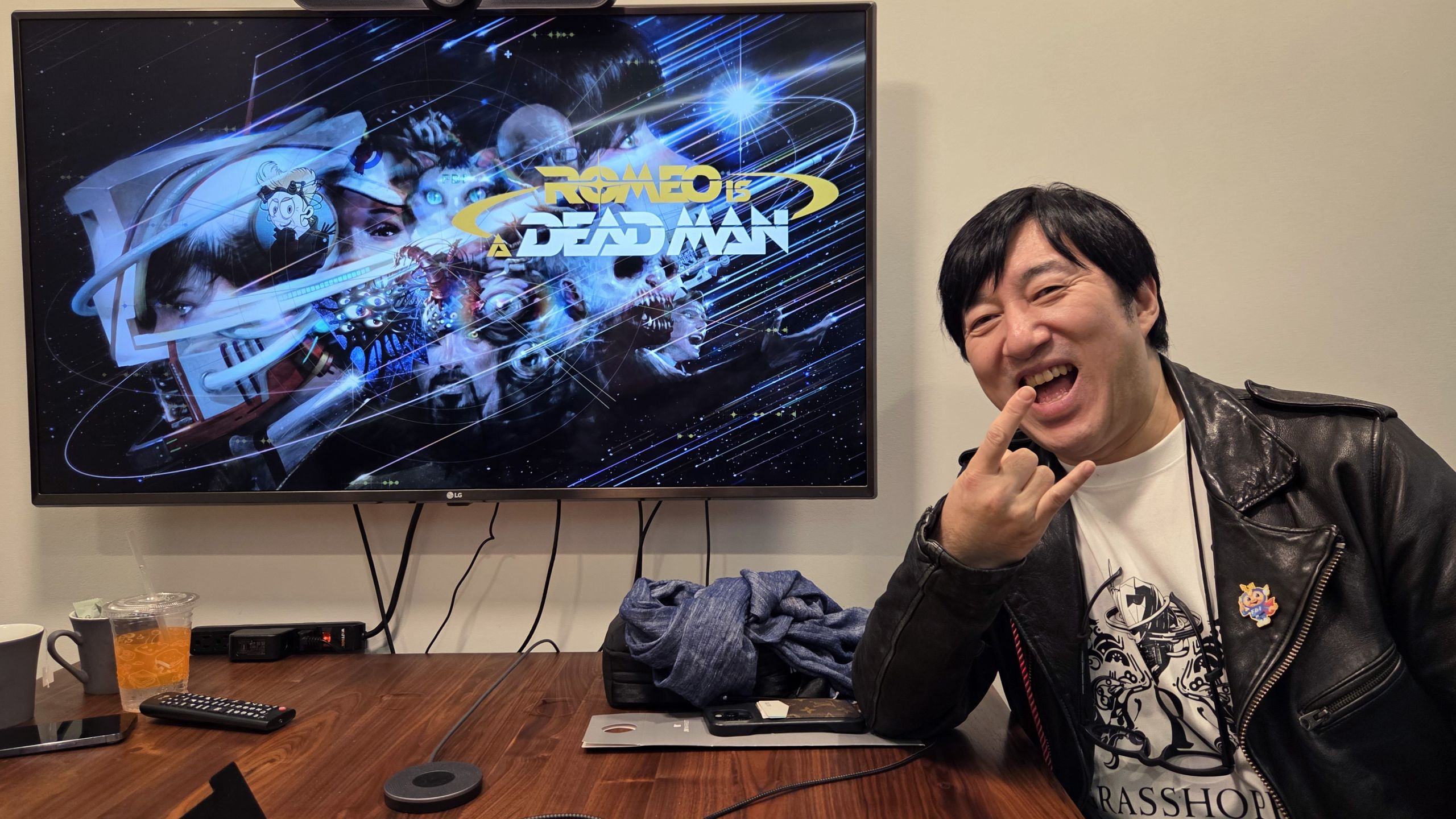
Yet the experience has been instructive. While self-publishing demands significantly more effort, the potential payoff is clear: retaining full control over revenue. For Romeo Is a Dead Man, Grasshopper now keeps a larger share of sales—something that could prove critical if the game gains traction. The challenge, however, is ensuring the game’s success is sustained long enough to capitalize on Steam’s cyclical sales events, where legacy titles often see renewed interest.
A Legacy Stalled by Industry Realities
The contrast between Grasshopper’s role as developer and publisher highlights a broader industry issue. Many studios, particularly those without the resources to self-publish, are left in a precarious position: their games generate visibility and fan engagement, but the financial rewards flow elsewhere. Grasshopper’s catalog—Shadows of the Damned, The Silver Case, Lollipop ChainSaw—continues to sell, but the studio sees little direct benefit.
This isn’t unique to Grasshopper. Developers across the industry face similar struggles, especially as digital marketplaces consolidate power. For studios like Grasshopper, the path forward may require a delicate balance: leveraging their creative strengths while building the operational muscle to turn their own intellectual property into a sustainable revenue stream.
The stakes are high. With NetEase’s recent track record of divesting from international studios, Grasshopper’s ability to monetize Romeo Is a Dead Man* independently could set the tone for its long-term viability. If the game resonates with players, it might finally unlock the steady income Grasshopper has long chased—but only if the studio can navigate the complexities of self-publishing and ride the waves of Steam’s ever-changing marketplace.