Stealth games thrive on tension and precision, but few demand as much from both player and machine as Thick As Thieves. The title, developed by the same team responsible for Deus Ex, blends cooperative gameplay with deep environmental storytelling. Yet, its technical footprint—particularly in RAM and storage—hints at a game that may not just challenge players but also their hardware setups.
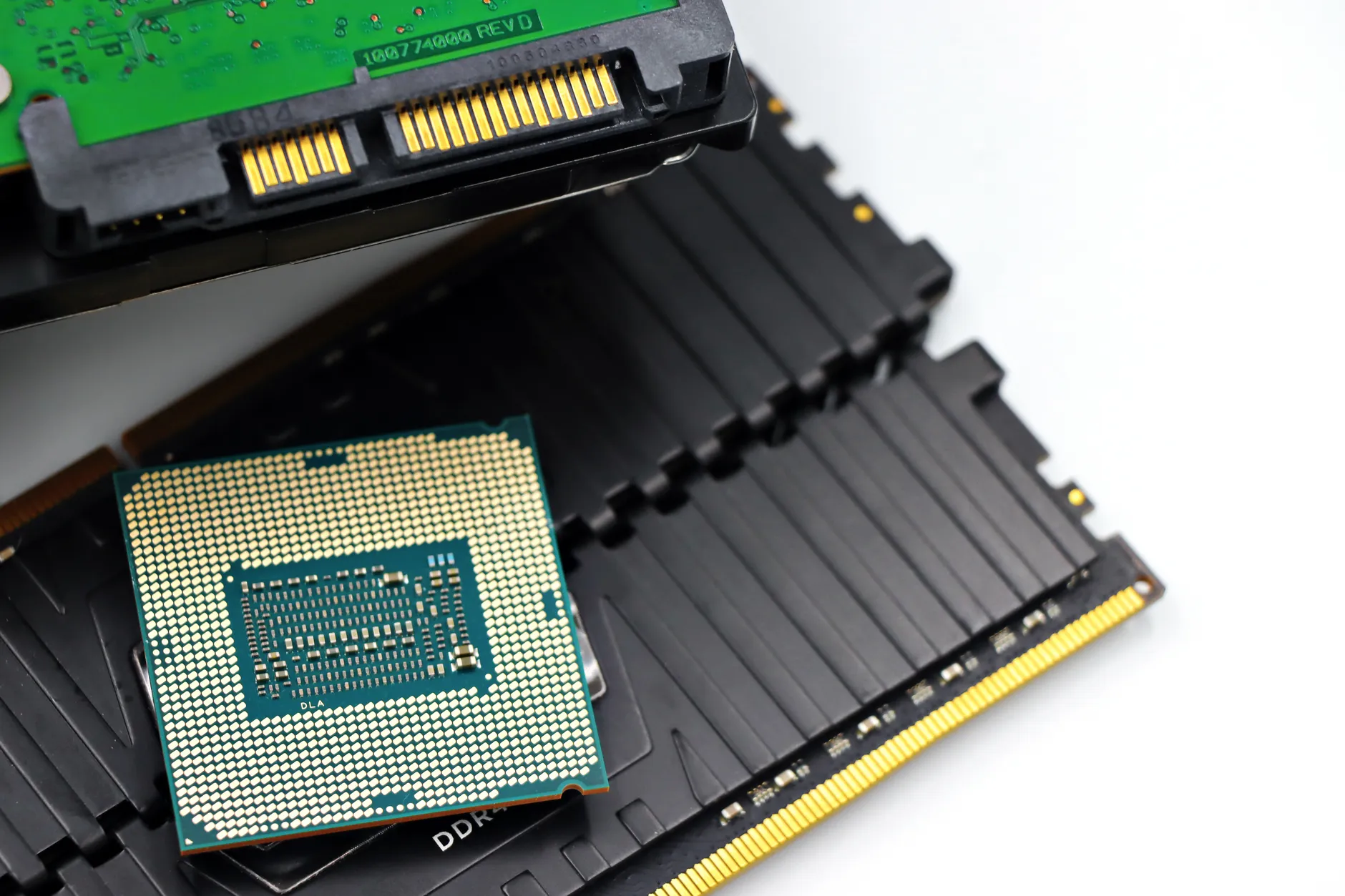
The game’s appeal is clear: two players working together to navigate a world brimming with tactical depth. But the price of admission could be steep. With 16 GB of RAM and 320 GB of storage as baseline requirements, Thick As Thieves signals a focus on performance that may leave mid-range systems behind. While its support for Windows 7 and newer suggests broad compatibility, the lack of modern OS mandates raises questions about long-term stability.
Who Stands to Gain
The game’s design is built around organic teamwork, rewarding players who synchronize their movements without feeling gimmicky. This approach could redefine co-op stealth, offering a level of immersion that goes beyond traditional multiplayer experiences. However, the absence of release details or pricing beyond the base $60 adds another layer of uncertainty.

Performance and Practicality: A Delicate Balance
The real test for Thick As Thieves will be whether its technical demands stabilize before launch. Gamers already navigating the cost of high-end hardware may find this another hurdle, but those willing to invest could be rewarded with a game that sets a new standard for the genre. The key question remains: Will the innovation justify the expense, or will it become just another example of technological overreach?
For now, players are left wondering if optimizations or backward compatibility tweaks might ease the burden on mid-range systems. If not, Thick As Thieves could cement its place as a must-play for those with the hardware to match—but at what cost to accessibility? The answer may lie in how well the developer balances ambition with practicality.