Most heist games focus on outsmarting security systems or evading authorities, but Relooted flips the script entirely. Instead of stealing priceless jewels or cash, players reclaim stolen African artifacts—returning them to the very communities from which they were taken centuries ago.
The game’s premise is rooted in a fictional but plausible future where an international treaty mandates the restitution of cultural heritage. However, Western museums and private collectors exploit a loophole: artifacts on public display must be returned, but those locked away in private vaults remain untouched. That’s where Relooted’s crew comes in.
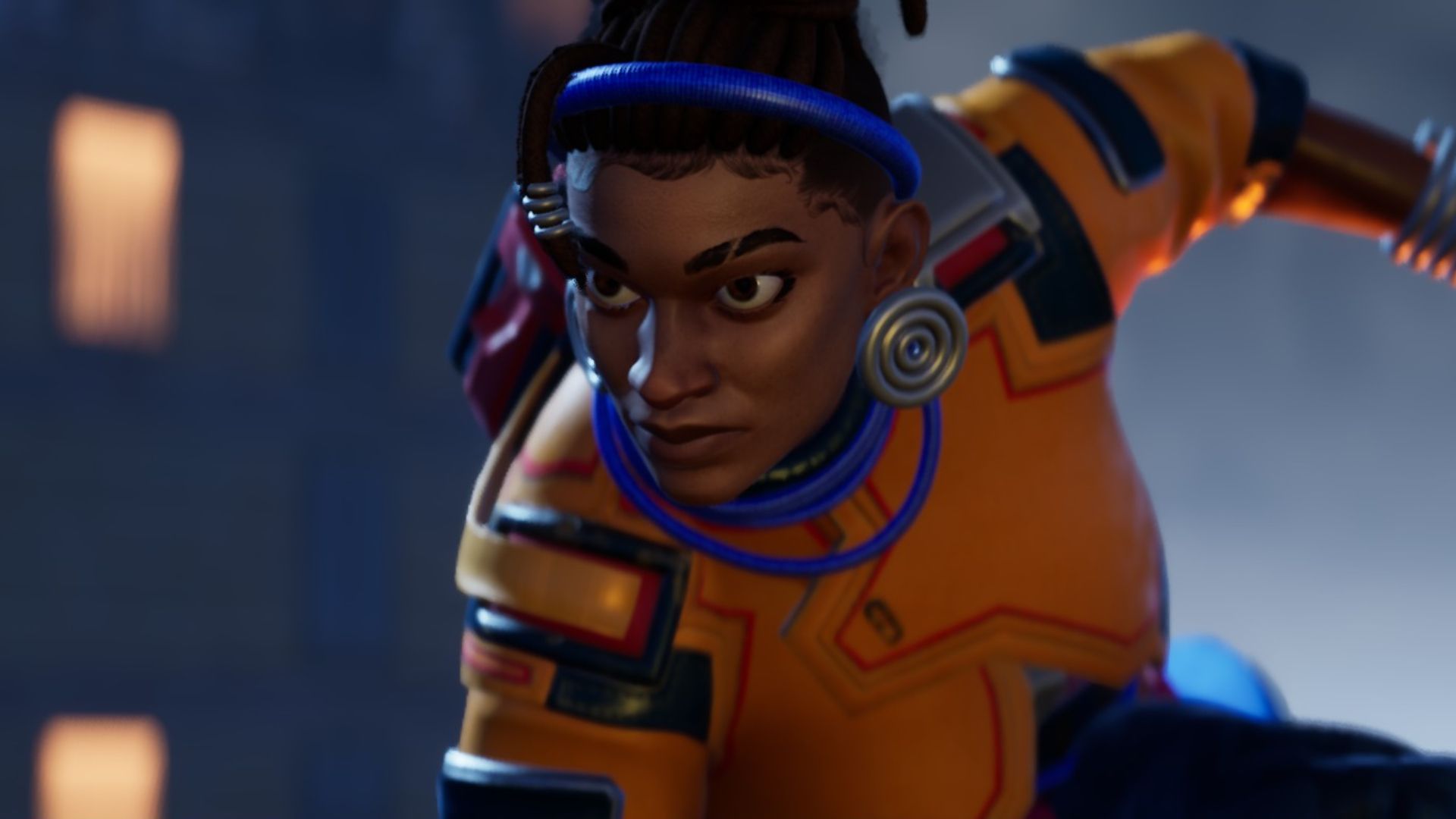
Led by a former parkour artist, her sharp-witted grandmother, a security-savvy brother, and their friends, players navigate a mix of agility-based infiltration and tactical puzzle-solving. Each heist unfolds in three distinct phases: reconnaissance via drone, meticulous planning of escape routes, and a high-speed exfiltration. The challenge isn’t just about speed—it’s about precision. Players must strategically block doors, shatter glass, and position teammates to create a clear path for the getaway.
The escape sequences, in particular, deliver a satisfying sense of momentum. The protagonist, Nomali, moves with fluidity during parkour segments, though the 2D escape sequences occasionally obscure her path, making missteps costly.
Yet for all its thrilling gameplay, the real strength of Relooted lies in its historical depth. Between missions, players unlock detailed entries on 70 reclaimable artifacts, each accompanied by real-world context. The game traces the violent histories behind objects like the Bangwa Queen—a sculpture seized during Germany’s colonial expansion in the early 1900s—and the Asante Gold Mask, looted by British forces in 1874. Even the skull of Mangi Meli, a resistance leader executed by colonial authorities and later lost to phrenological study in Europe, is given its due.
What makes Relooted stand out isn’t just its educational approach but its warmth. The crew isn’t a detached band of master thieves; they’re a ragtag family, their hideout cluttered with personal touches, their conversations laced with humor and affection. Their vibrant outfits and lively banter contrast sharply with the grim realities of colonial theft, ensuring the game never feels like a solemn lecture.
In an era where debates over cultural restitution dominate headlines, Relooted offers more than entertainment—it’s a playful yet powerful call to action. By turning artifact recovery into a game, it makes history accessible while underscoring the urgent need for real-world change.