Memory manufacturers are increasingly favoring DDR5 registered dual inline memory modules (RDIMMs) over high-bandwidth memory (HBM), driven by stronger profit margins. This shift threatens to disrupt the AI and gaming sectors, where HBM has long been the preferred choice for its performance advantages.
The transition is expected to accelerate in 2027, with DDR5 RDIMMs becoming more cost-effective while maintaining competitive speeds. Industry analysts suggest this could lead to a rebalancing of memory investments, as companies weigh efficiency against raw performance metrics.
- DDR5 RDIMMs offer higher profitability margins compared to HBM stacks.
- The shift may increase memory costs for AI and gaming applications by next year.
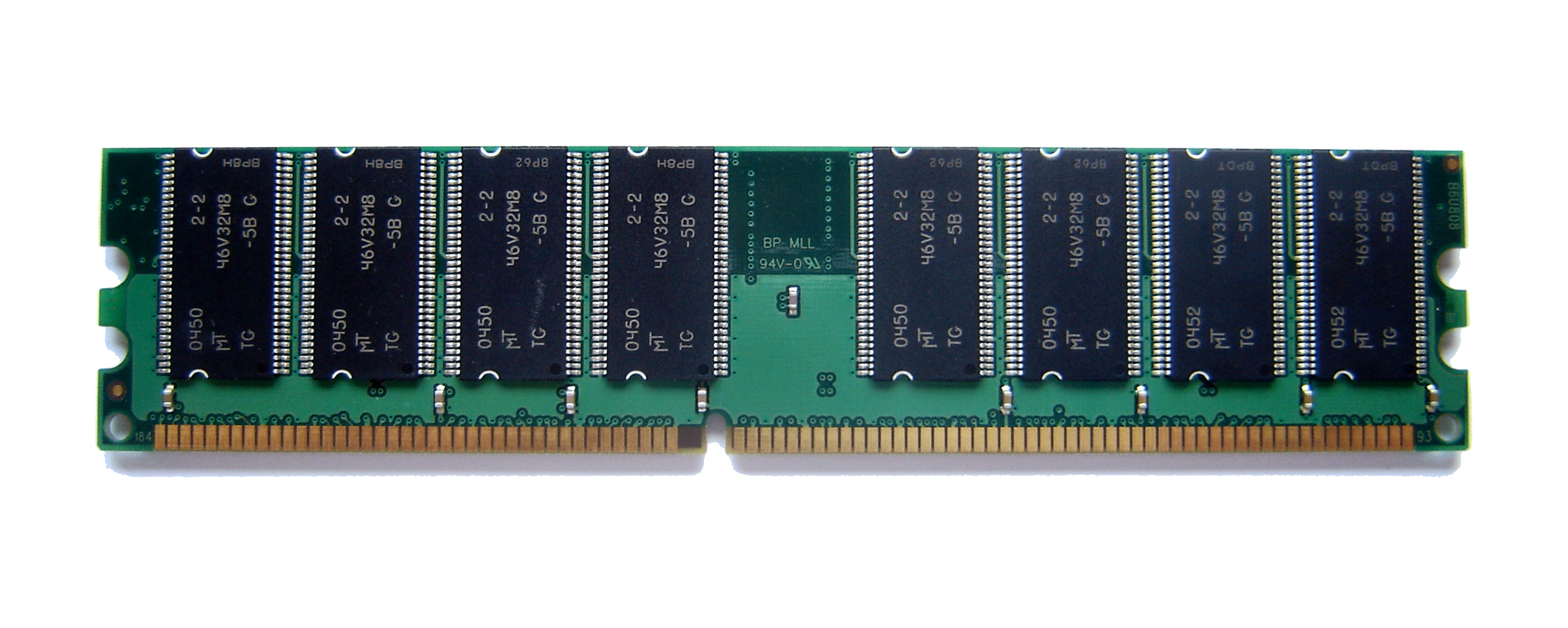
HBM’s role in high-performance computing has been unmatched, particularly in data centers where bandwidth demands are extreme. However, the production complexity of stacking memory dies has kept costs elevated. DDR5 RDIMMs, while less capable in raw throughput, provide a more scalable and economical alternative without sacrificing speed for most workloads.
This market evolution could force AI firms to reconsider their hardware roadmaps, potentially delaying or scaling back on HBM adoption unless breakthroughs in manufacturing reduce its cost. Gaming systems may also see delayed upgrades if DDR5 prices rise, though its performance benefits in non-AI applications remain strong.
The coming year will be critical in determining whether DDR5 RDIMMs can sustain this momentum without sacrificing the performance gains that have made HBM indispensable in cutting-edge AI training and inference tasks. If successful, it could redefine memory hierarchies for years to come.