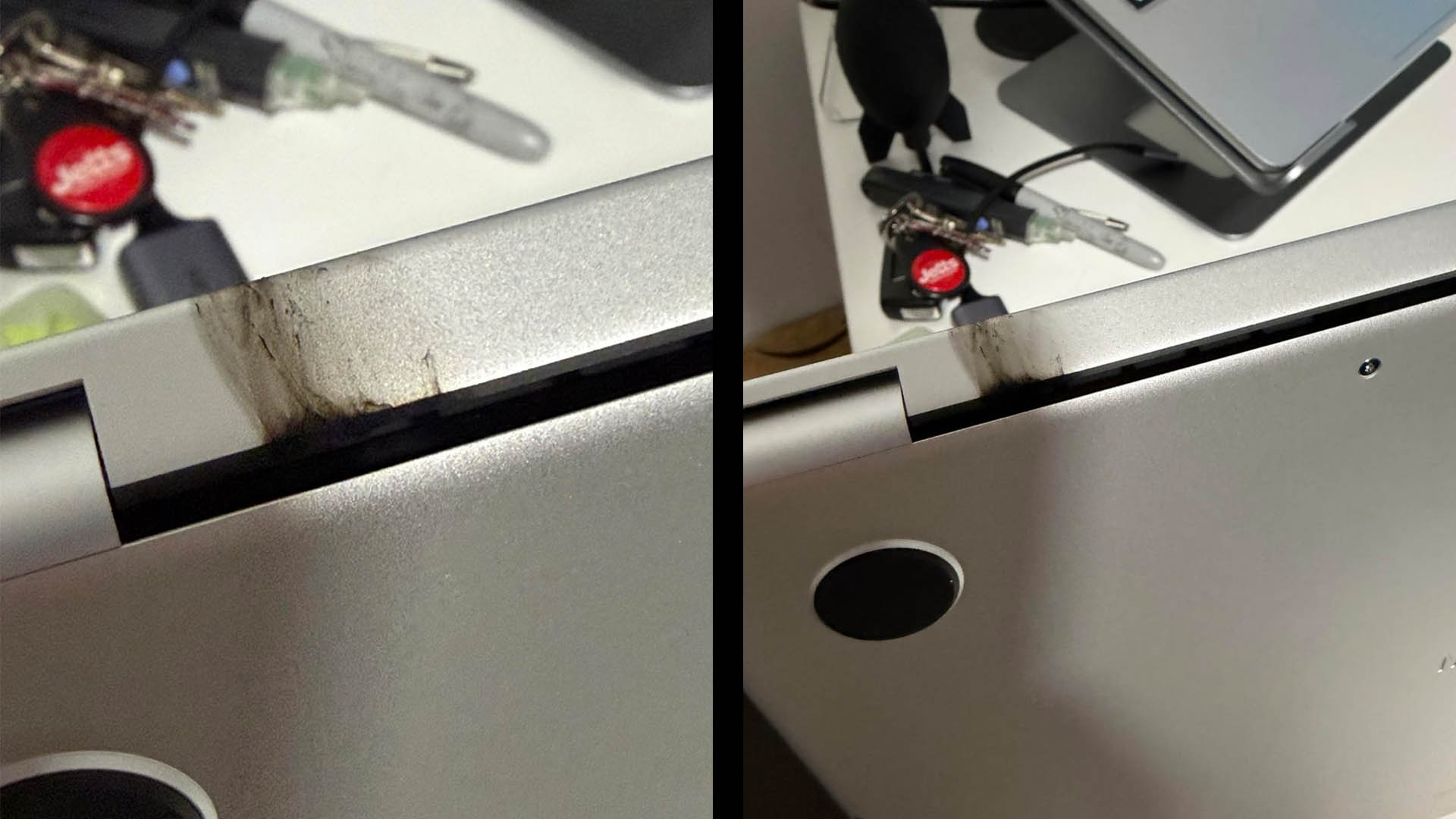
What’s becoming clear is that this isn’t just a random hardware flaw—it’s a systemic issue tied to how the M5 MacBook Pro manages heat under sustained workloads. The problem manifests as a crackling noise followed by visible arcing during hinge movement, typically when users are running demanding tasks like video editing or 3D rendering. This suggests that thermal expansion or material fatigue may be causing stress on the hinge mechanism over time, even without physical damage.
Apple’s M5 series was designed to deliver exceptional performance in a slim chassis, but this incident raises questions about whether the trade-off between compact form factor and mechanical durability is sustainable. The M5’s custom silicon allows for aggressive clock speeds, but if thermal cycling leads to material degradation, it could compromise not just the hinge but other components as well.
- Is the issue limited to certain configurations, or does it affect all M5 models?
- Could software-based thermal throttling mitigate long-term stress on mechanical parts?
- Will Apple need to revisit material selection for future iterations?
The broader implications of this problem extend beyond just hinge reliability. If thermal management isn’t optimized, it could lead to more widespread failures in other components, such as the display or keyboard, over time. For users who rely on the M5’s power efficiency and performance-per-watt advantages, any degradation in mechanical stability could erode one of its key selling points.
While Apple has not yet addressed this issue officially, the pattern of failures—occurring within days of purchase under normal use—suggests it’s not an isolated defect. The company will need to demonstrate that its thermal design can withstand prolonged stress without compromising durability. This serves as a critical test for how well high-performance laptops balance innovation with long-term reliability.
For now, affected users are left wondering whether this is an anomaly or the beginning of a larger trend. If more reports surface, it could force a reevaluation of Apple’s approach to thermal management in ultra-thin devices—a challenge that will only grow as silicon becomes more power-hungry with each generation.