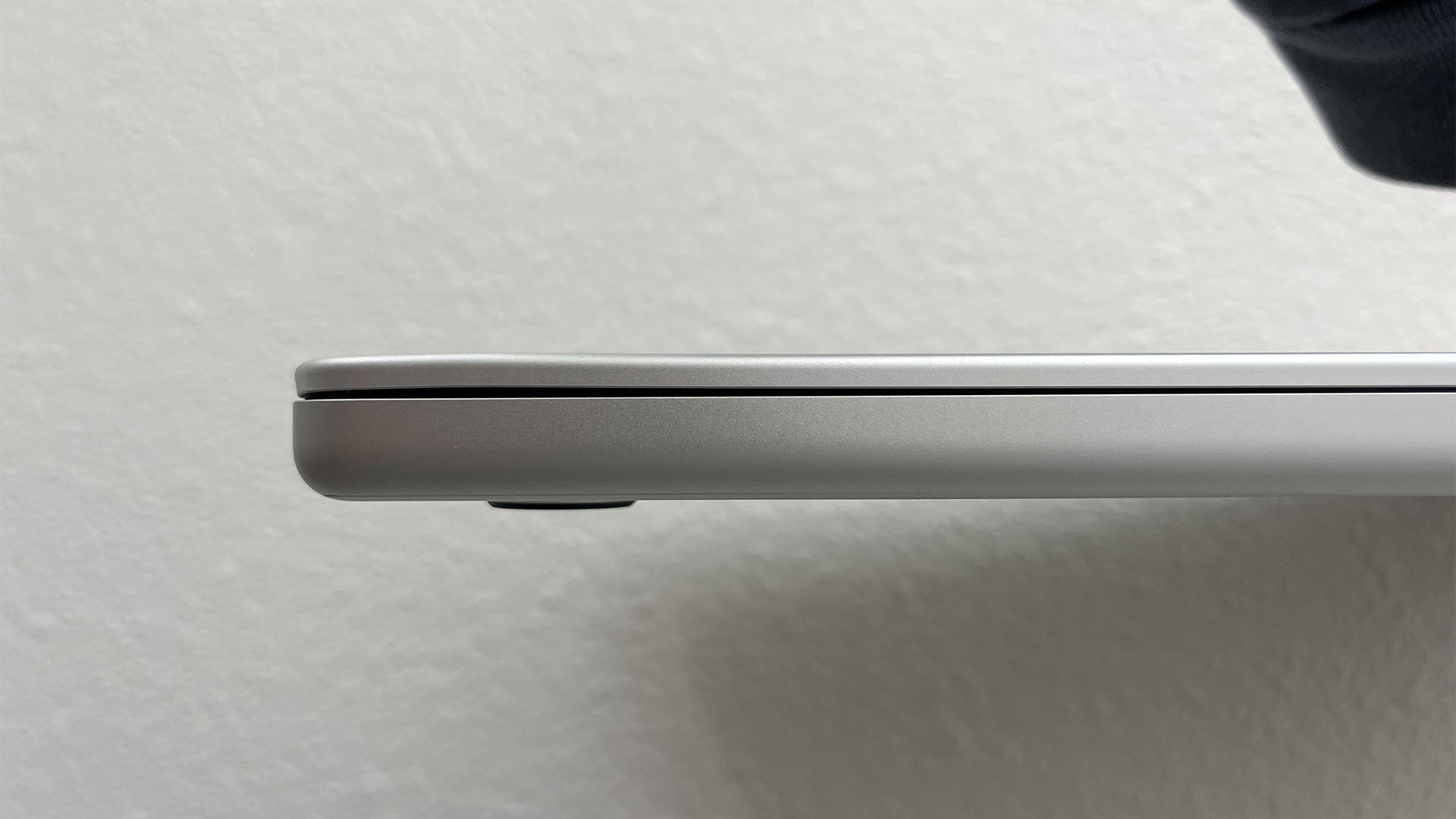
A MacBook Pro M3 (14-inch) with 32GB RAM and a 512GB SSD—priced at $2,499—began its journey through an airport security checkpoint like any other. What followed was anything but ordinary. The incident exposed a gap between the durability of modern hardware and the realities of transit, where even minor mishandling can lead to irreversible consequences.
At a glance
- The MacBook Pro M3 (14-inch) features a titanium unibody design, 7-core GPU with a base clock of 1.2 GHz, and is rated IP6X for dust resistance, yet its slim frame made it susceptible to damage during screening.
- Walk-through metal detectors set to high sensitivity triggered repeated alarms, leading to prolonged handling that stressed the device’s delicate components.
- The laptop suffered a cracked display and non-functional keyboard after being subjected to rough inspection procedures.
- No liability or documentation was provided by airport staff, leaving the owner responsible for repairs estimated at over $1,000.
- This case reflects a broader trend where high-value hardware faces transit risks without clear recourse for affected users.
The titanium construction and IP6X rating of the MacBook Pro M3 (14-inch) are testament to Apple’s engineering prowess. Yet, its thin profile—just 0.15 inches thick—became a liability during security checks. The device’s 32GB RAM configuration, intended for heavy workloads, didn’t factor into the damage, but its reliance on portability suggests a trade-off between performance and protection.
Airport security protocols are designed to balance efficiency with safety, but they often lack safeguards for delicate electronics. Walk-through metal detectors, while effective for bulk screening, can misread high-contrast materials or internal components, leading to unnecessary handling. In this case, the repeated alerts increased the time the laptop spent in transit, exposing it to physical stress that compromised its structural integrity.
Why it matters
This isn’t an isolated incident. Similar cases have emerged where high-end laptops—from MacBooks to premium Windows models—suffer damage during transit without clear pathways for compensation. For power users, this raises a critical question: how much risk should be accepted when prioritizing portability over protective enclosures? The lack of standardized procedures for handling electronics in security checks leaves owners vulnerable, especially when repair costs exceed insurance coverage.
Moving forward, the focus must shift from hardware durability alone to transit safety. While manufacturers like Apple continue to refine build quality—adding features like MagSafe for charging or improved hinge strength—the responsibility for protection ultimately falls on users. External cases designed for travel security offer a layer of defense, though they are not foolproof. Advocacy for clearer airport policies on electronic handling could mitigate future incidents, but the burden remains on those who depend on their devices daily.
The lesson is clear: high-end hardware demands more than just performance-per-watt efficiency—it requires a strategy for survival in transit. For users, this means reconsidering how they carry their devices and whether additional protection is worth the investment. For manufacturers, it’s an opportunity to innovate beyond durability, integrating features that safeguard against transit hazards. And for airports, it’s a call to standardize procedures that protect both passengers and their valuable belongings.