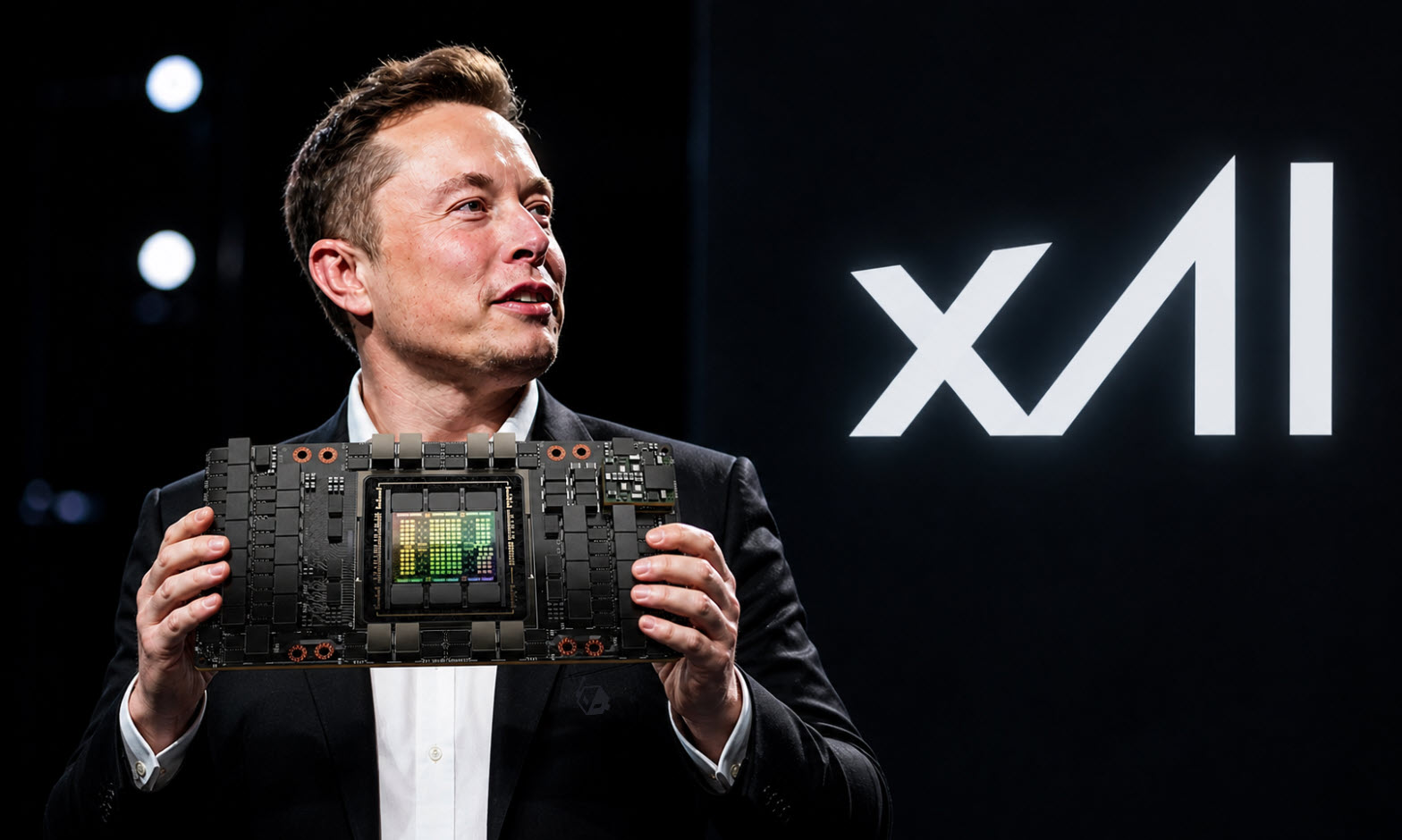
training is consuming GPUs at an unprecedented pace, but not all organizations are leveraging their hardware as effectively. While Meta and Google achieve 43-46% GPU utilization across their massive NVIDIA clusters, a rising AI startup reportedly manages just 11% utilization from its 550,000-unit deployment. This stark contrast suggests deeper issues in workload optimization, team expertise, or architectural constraints—factors that could reshape the competitive landscape for large-scale AI deployments.
At the core of this disparity lies a fundamental tension: raw GPU power versus operational efficiency. A 550,000-GPU cluster represents a colossal capital investment, but if only a fraction operates at peak capacity, the financial and environmental costs become substantial. For AI startups racing to scale, such inefficiencies could translate into slower training cycles, higher energy expenses, or missed deadlines—all while established players tighten their grip on performance benchmarks.
Specs and Scale
- Startup Cluster: 550,000 NVIDIA GPUs, 11% utilization (estimated)
- Meta/Google Fleets: 43-46% utilization across millions of GPUs
The numbers alone tell a compelling story. A startup with 550,000 GPUs operating at 11% efficiency would effectively be running just 60,500 units at full capacity—a far cry from the theoretical potential of such a deployment. In contrast, Meta and Google’s reported utilization rates imply they’re pushing closer to the physical limits of their hardware, likely through advanced scheduling, workload balancing, or specialized software stacks.
Context: Why the Gap?
The difference in GPU utilization isn’t just about raw hardware; it reflects broader trends in AI infrastructure. Startups often prioritize rapid scaling over optimization fine-tuning, leading to inefficiencies that only surface at massive scale. Factors like job scheduling complexity, data pipeline bottlenecks, or a lack of in-house expertise in distributed training could all contribute to the gap. Meanwhile, giants like Meta and Google have had years to refine their internal systems, often developing proprietary tools that keep utilization high even as cluster sizes grow.
Implications for AI Training
The implications are twofold: for startups, the risk is clear—wasted resources could delay progress or inflate costs at a time when every GPU counts. For the industry, this highlights an unresolved challenge in AI hardware management: how to scale efficiently without being hamstrung by software or operational constraints. If the trend holds, it may push more players toward specialized AI infrastructure providers or open-source solutions that promise better utilization out of the box.
Where Things Stand
For now, the gap remains a point of speculation rather than confirmed data, but the contrast is striking enough to warrant closer scrutiny. Startups may need to rethink their approach to GPU deployment—whether through better workload partitioning, hardware-aware training algorithms, or partnerships with firms that already master these challenges. Meanwhile, Meta and Google continue to set the benchmark, leaving others to catch up in both efficiency and scale.