Apple's latest maneuver in the memory chip market is setting off ripples across the industry. By aggressively securing LPDDR5 supplies, Apple isn't just preparing for future iPhone models—it's potentially squeezing out competitors who rely on the same critical component.
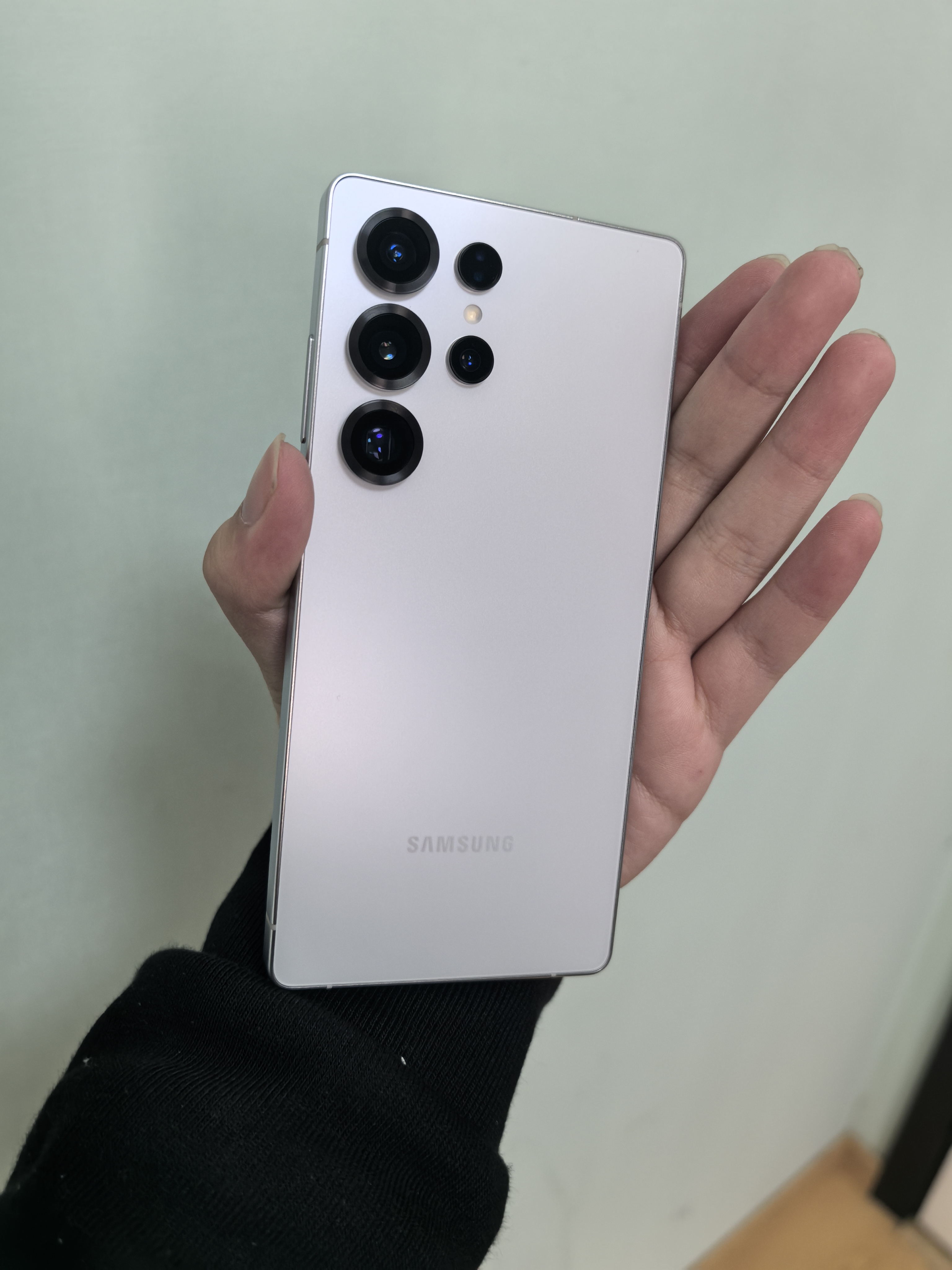
The company's move comes at a time when iPhone prices remain frozen, adding another layer to the complex dynamics of the smartphone market. This strategy could leave Chinese OEMs scrambling, possibly forcing them to abandon or delay their ultra-flagship devices if LPDDR5 becomes too scarce or expensive.
Why Apple's Stockpile Matters
The implications of Apple's stockpiling extend beyond its own product roadmap. With LPDDR5 being a cornerstone for high-performance smartphones, Apple's dominance in securing this resource could shift the balance of power in the industry. For gamers and tech enthusiasts, this means tighter competition for top-tier devices, as well as potential innovations driven by Apple's control over supply chains.
Key Specs and Market Impact
- Memory Type: LPDDR5
- Supply Strategy: Aggressive stockpiling to secure future availability
- Market Impact: Potential price hikes for competitors, delayed ultra-flagship releases from Chinese OEMs
The aggressive nature of Apple's stockpiling strategy is already drawing attention. While the company has not commented on its long-term plans, industry analysts are closely monitoring how this move will play out in the coming months. For now, it appears that Apple is positioning itself to maintain its edge in both performance and pricing, leaving others to catch up.
As for what's next, the focus will be on whether Chinese OEMs can find alternative solutions or if they'll be forced to pivot their strategies entirely. One thing is clear: Apple's move is a calculated risk that could redefine the landscape of high-end smartphones.