The Galaxy Book lineup has quietly dropped Windows in favor of a Linux-based operating system, a move that could either accelerate developer productivity or create friction for those tied to Microsoft’s ecosystem. Samsung’s choice reflects broader industry trends toward open-source flexibility, but it also forces users to weigh the benefits of Linux—such as lower latency and deeper customization—against the practicalities of Windows compatibility.
- Display: 13.3-inch or 14-inch 2-in-1 OLED (3072×2048, 120Hz), 15.6-inch FHD+ (1920×1200, 120Hz)
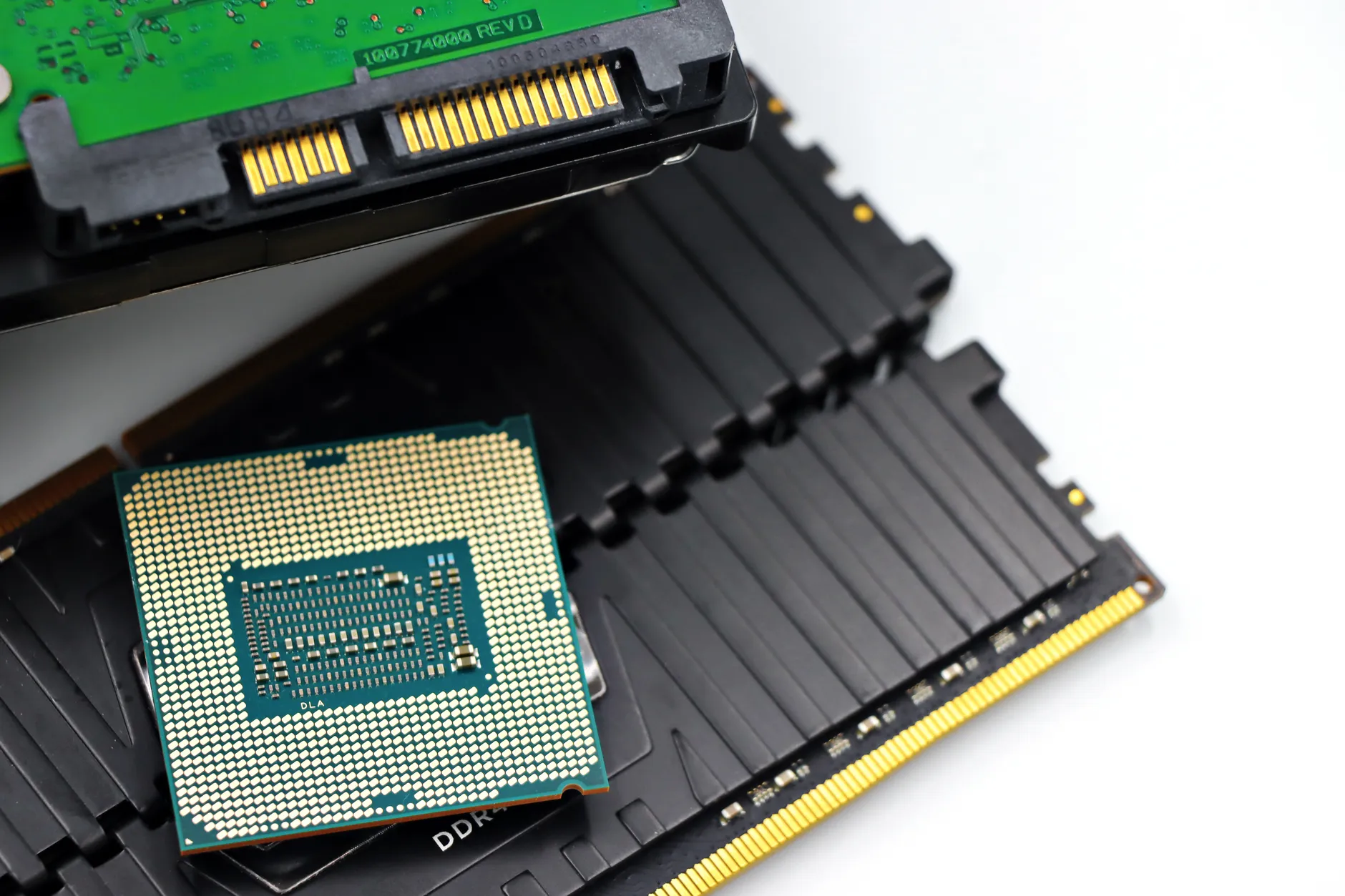
- Chip: Intel Core Ultra 7 155H or 135H (up to 4.8 GHz single-core, 12 cores), 16GB–32GB LPDDR5X RAM
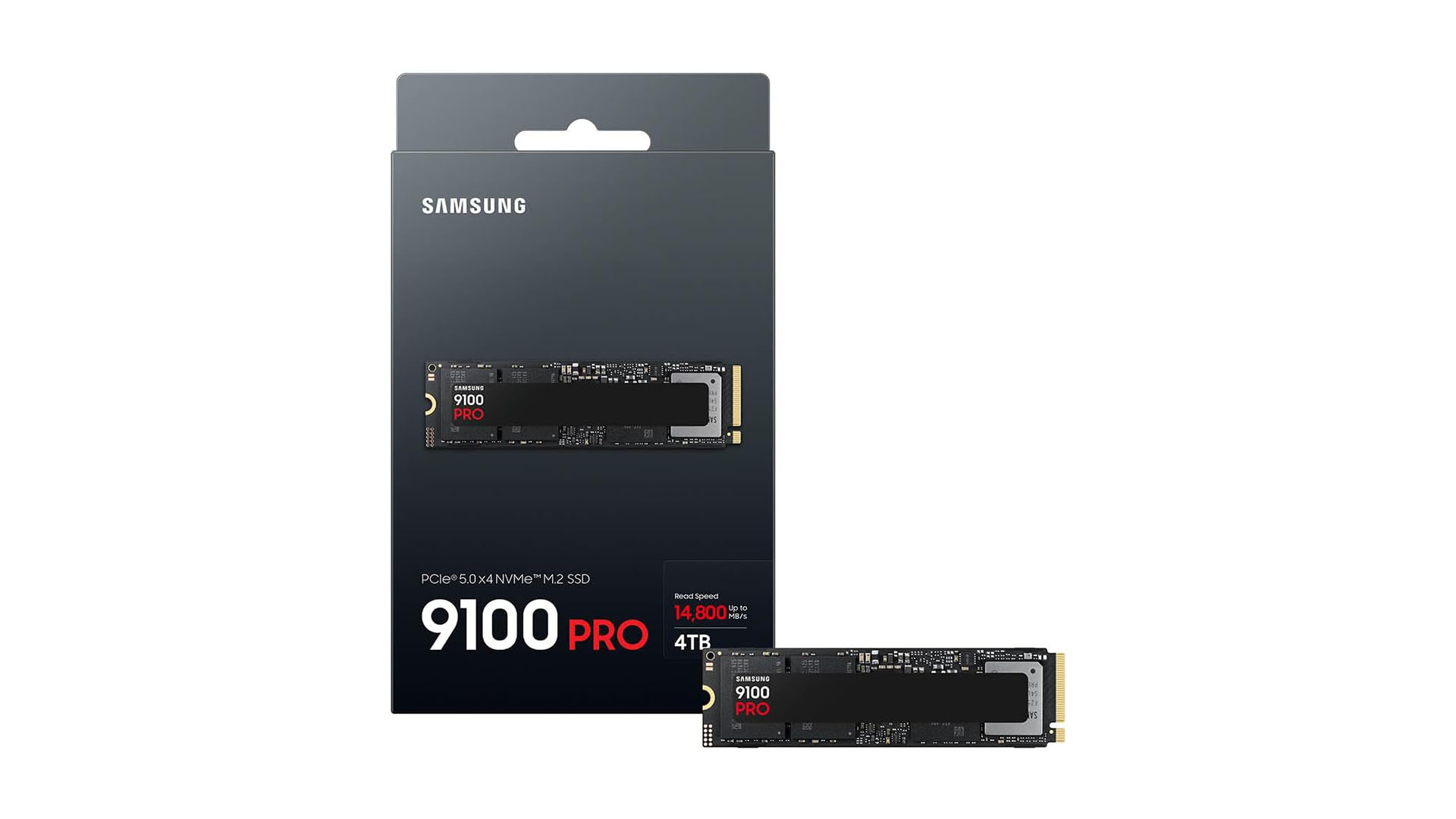
- Storage: 256GB–1TB NVMe SSD
- Battery: Up to 19 hours video playback (real-world estimates vary)
- Ports: Thunderbolt 4, USB-C (USB 3.2), microSD, headphone jack
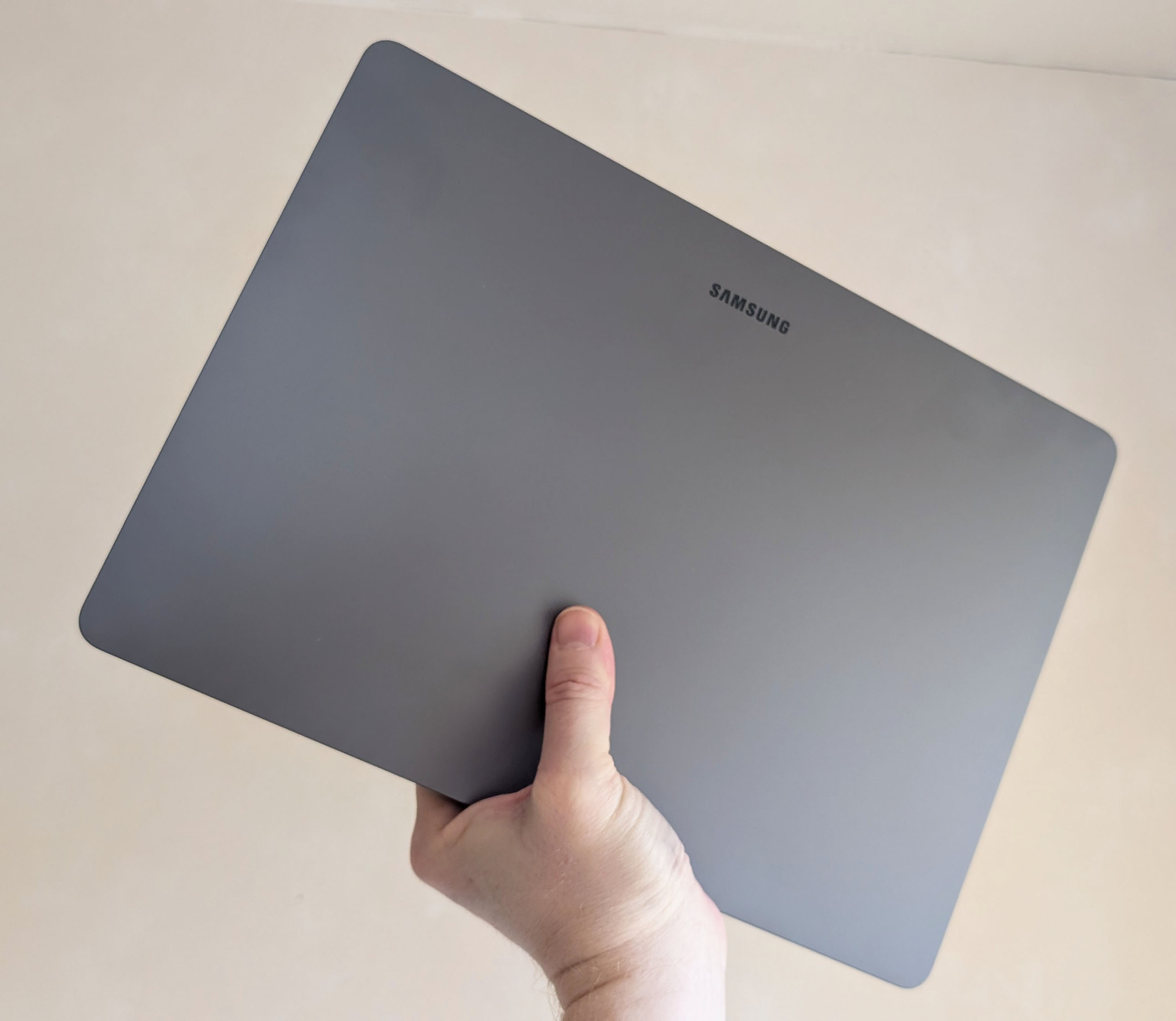
The design remains unchanged, with the same lightweight magnesium alloy build and pen support that have become synonymous with Samsung’s premium laptops. However, the switch to Linux introduces tradeoffs: while developers gain easier access to kernel-level optimizations and containerized workflows, enterprises may struggle with legacy software dependencies. Some users will likely need dual-boot setups or virtual machines to maintain compatibility with Windows-only applications.
Samsung’s strategy hinges on whether it can smooth out the rough edges of Linux adoption without alienating its core user base. The starting price remains at $999, suggesting this is a premium play aimed at early adopters and developers willing to adapt. If successful, it could set a new benchmark for open-source laptops—but if not, it risks fragmenting an already competitive market.