A GPU architecture that was supposed to arrive with fanfare has instead evolved into something more subdued—a product of shifting economic realities rather than a bold new leap in computing power.
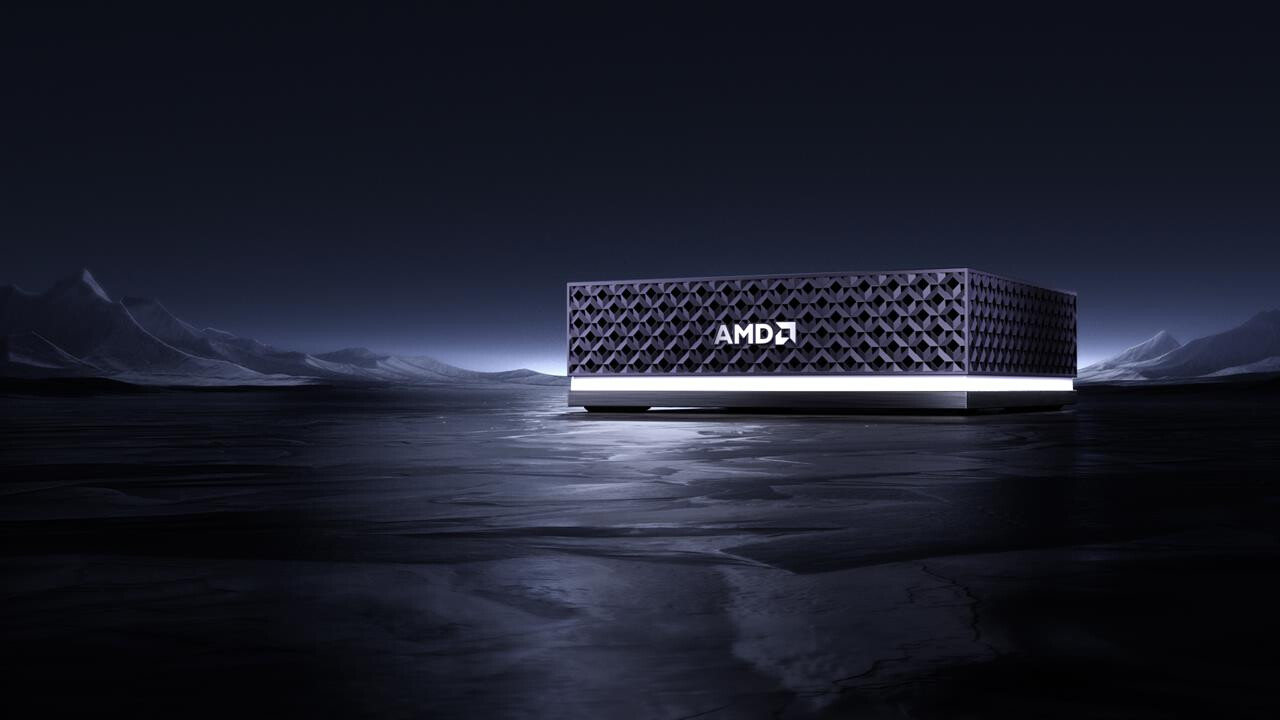
When development began, the focus was on pushing performance boundaries. The target specifications were clear: a 2 nm process, 192 MB cache, and a 200 W TDP designed to handle 4K workloads with efficiency. The initial plan called for multiple configurations, including models with 32 GB of LPDDR5X RAM paired with either 1 TB or 2 TB storage options. A higher-tier variant would offer 128 GB of RAM and a 2 TB SSD, priced aggressively to compete in the premium segment.
But the path forward wasn’t smooth. The cost of high-capacity SSDs became a critical issue, rising unexpectedly after early planning stages. This wasn’t an isolated problem—it reflected broader market trends affecting GPU development across the industry. Suppliers struggled to meet demand while maintaining price stability, especially around key component releases. For smaller manufacturers, this created a perfect storm: higher costs without corresponding revenue growth.
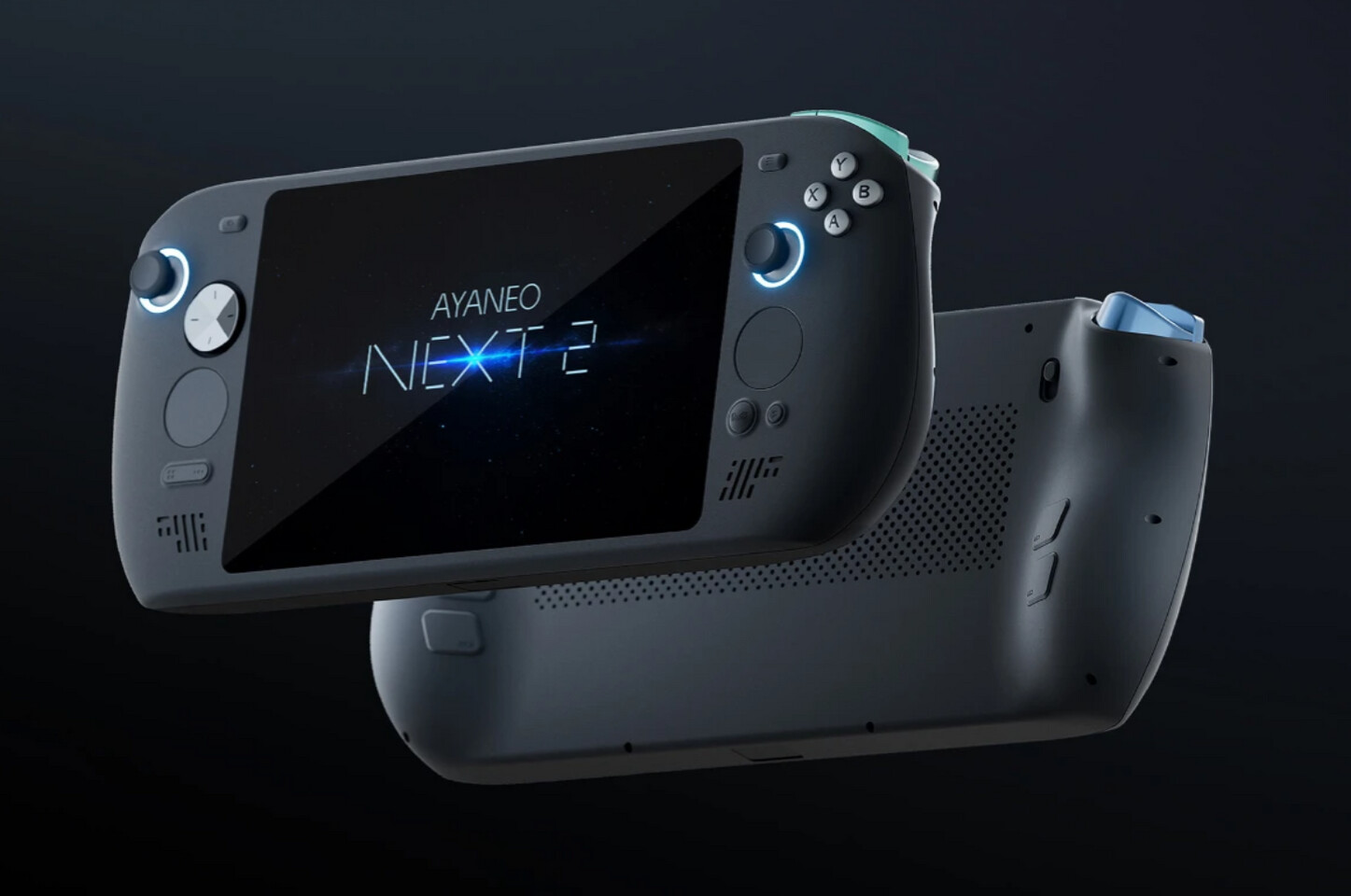
As a result, the project’s scope had to adapt. The original vision of a 128 GB RAM and 2 TB SSD model was scaled back, not because the technology wasn’t viable, but because the economics no longer justified it. The focus shifted to more balanced configurations—32 GB LPDDR5X paired with either 1 TB or 2 TB storage—while maintaining the core performance targets. The 200 W TDP remained a key selling point, ensuring compatibility with high-end workloads without sacrificing portability.
Looking ahead, the project’s future remains uncertain. While the technical specifications are still ambitious—including a Zen-based architecture and 2 nm process—the market dynamics that shaped its development continue to evolve. Whether it reappears in some form or fades entirely depends on how component costs stabilize over time. For now, it stands as a reminder of how quickly hardware innovation can pivot when economic conditions change.
The story is far from over. The components that made this GPU project stand out—its cache size, process node, and power efficiency—are still relevant in the industry’s roadmap. But the question lingers: will it emerge as a breakthrough product or become another casualty of rising costs?