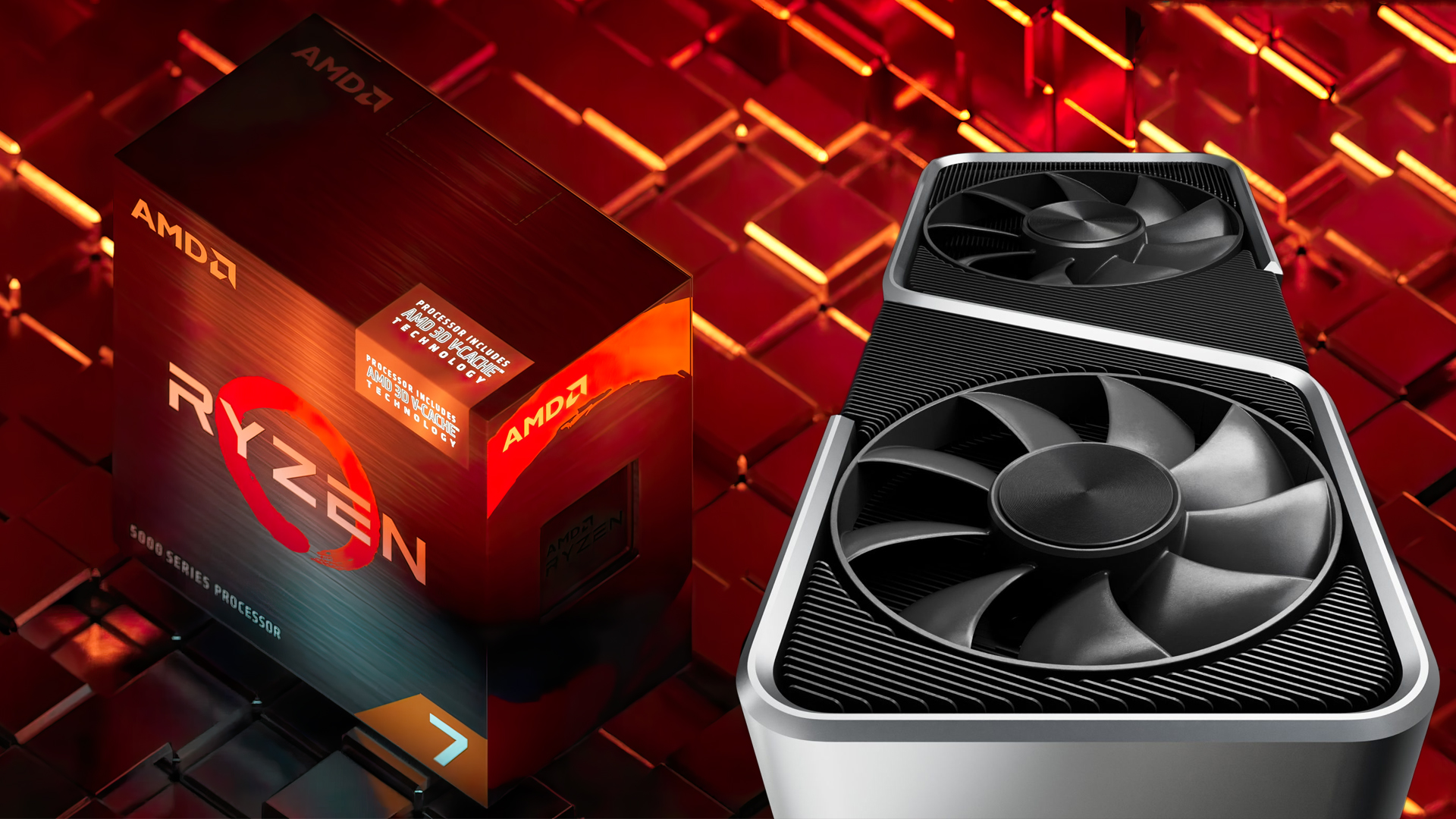
The reemergence of AMD’s Ryzen 5800X3D CPU and NVIDIA’s RTX 3060 GPU in early 2026 is not a story of triumphant returns but rather a reflection of the ongoing challenges plaguing the PC hardware ecosystem. Both products, once at the forefront of their respective categories, now serve as interim solutions in a market still grappling with supply constraints and shifting priorities. The Ryzen 5800X3D, which revolutionized gaming performance with its 3D V-Cache technology, finds itself competing against newer architectures that have rendered its core design less relevant over time. Meanwhile, the RTX 3060, a mid-range GPU known for its ray tracing capabilities, is now overshadowed by more advanced models that deliver superior efficiency and rendering performance.
Despite these challenges, the Ryzen 5800X3D’s core appeal remains unchanged. Its 96 MB of vertically stacked L3 cache, designed to reduce latency in gaming workloads, still provides a noticeable advantage for users who prioritize frame rates over raw computing power. This makes it particularly attractive for budget-conscious gamers or those building systems around older platforms where newer CPUs may not offer significant performance gains. However, the CPU’s lack of PCIe 5.0 support and its reliance on a 7 nm process node—now considered outdated—limit its long-term viability.
Similarly, the RTX 3060 retains its DLSS 2 support, which continues to offer a meaningful performance boost in ray-traced games. While it lacks the efficiency improvements and advanced ray tracing features found in newer GPUs like the RTX 40 series, it remains a solid choice for 1440p gaming with DLSS enabled. Its price point has remained relatively stable, making it an accessible option for those who do not require the latest features. However, its power consumption is higher than that of more recent models, which could be a concern in systems where thermal output is a priority.
Performance Trade-offs and Market Dynamics
The relaunch of these products forces a closer examination of the trade-offs that define their place in the 2026 market. The Ryzen 5800X3D, for example, is a legacy design in terms of its core architecture, but its cache configuration still delivers tangible performance benefits in games that rely heavily on low-latency memory access. This makes it a viable option for gamers looking to upgrade without breaking the bank or those who are stuck with older platforms where newer CPUs may not offer significant improvements.
On the GPU front, the RTX 3060 tells a similar story. While it does not incorporate the efficiency gains and ray tracing enhancements of the RTX 40 series, it remains a capable choice for 1440p gaming with DLSS enabled. Its performance per watt is significantly lower than that of more recent models, which raises questions about its sustainability in an era where power efficiency is becoming increasingly important. Yet, its price point and feature set continue to make it a compelling option for those who do not need the latest advancements.
Broader Market Implications
The reintroduction of these products also highlights the broader challenges facing PC gamers in 2026. Supply chain disruptions, which have persisted longer than anticipated, continue to limit the availability of newer, more advanced hardware. This has created a market dynamic where older but still capable components like the Ryzen 5800X3D and RTX 3060 are being repurposed as stopgap solutions. For buyers, this means navigating a landscape where performance gains are incremental rather than revolutionary.
For AMD and NVIDIA, the situation presents both an opportunity and a challenge. These products can serve as a bridge for gamers transitioning from older hardware to newer platforms, but they also risk becoming obsolete if supply chain issues persist or if newer architectures fail to deliver on promised improvements. The Ryzen 5800X3D’s continued relevance depends on whether AMD can sustain demand for its cache technology without introducing more significant upgrades. Similarly, the RTX 3060’s longevity hinges on NVIDIA’s ability to innovate in ray tracing and efficiency without alienating its mid-range audience.
Key Specifications
- Ryzen 5800X3D:
- Cores/Threads: 8 cores / 16 threads
- Base Clock: 3.4 GHz, Boost Clock: 4.5 GHz
- Cache: 96 MB L3 (3D V-Cache)
- TDP: 105 W
- Socket: AM4
- Process Node: 7 nm
The Ryzen 5800X3D’s standout feature is its 96 MB of L3 cache, which is stacked vertically to reduce latency. This configuration was designed specifically for gaming workloads where low-latency memory access can translate to higher frame rates. However, the CPU lacks PCIe 5.0 support and relies on a 7 nm process node, both of which are now considered outdated in the context of newer platforms.
- RTX 3060:
- CUDA Cores: 3584
- Base Clock: 1.78 GHz, Boost Clock: 1.92 GHz (Game Clock), 1.85 GHz (Memory)
- VRAM: 12 GB GDDR6
- Memory Bus: 192-bit
- TDP: 170 W
- DLSS Support: DLSS 2
The RTX 3060 retains its DLSS 2 support, which provides a noticeable performance boost in ray-traced games. However, it lacks the efficiency improvements and ray tracing enhancements found in newer GPUs like the RTX 40 series. Its power consumption is higher than that of more recent models, making it less ideal for systems where thermal output is a concern.
Looking Ahead
The relaunch of these products serves as a reminder that the PC gaming market is still in flux. While the Ryzen 5800X3D and RTX 3060 offer solid performance for their respective categories, they are not future-proof solutions that many gamers might desire. The focus now shifts to whether these components can sustain demand long enough for newer architectures to stabilize—or if they will become yet another example of how supply chain challenges have reshaped the market in unexpected ways.