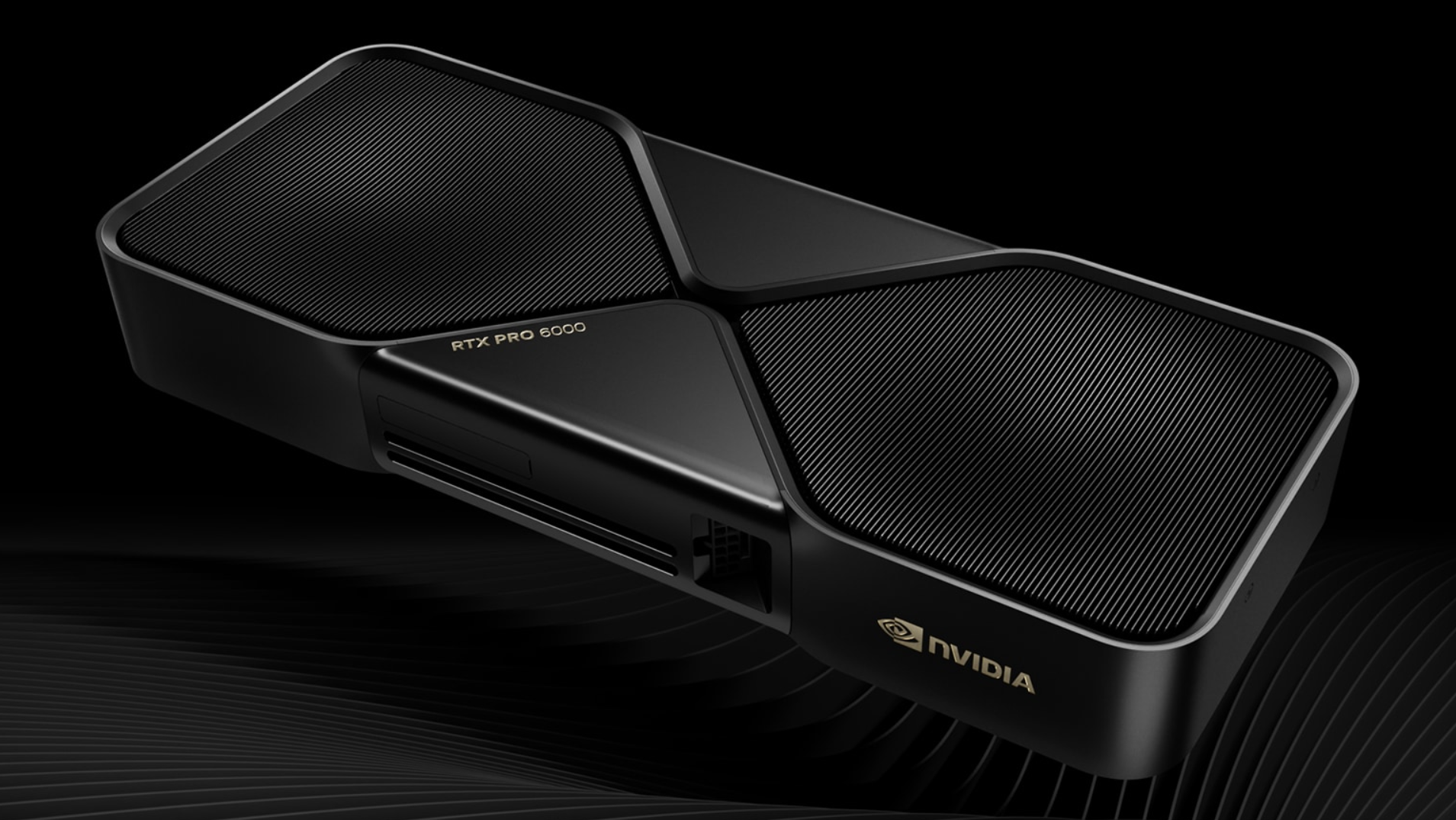
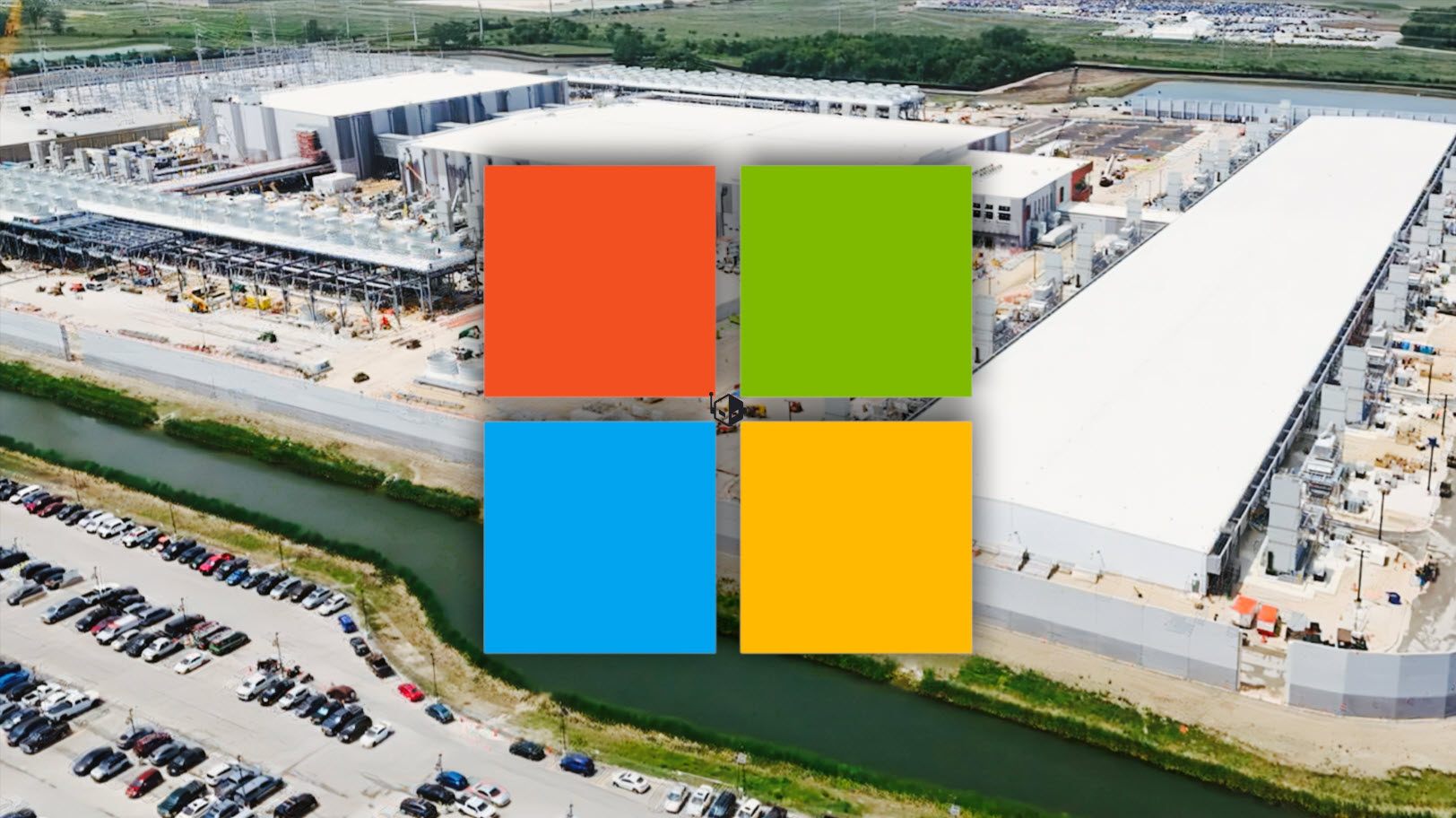
Microsoft’s latest datacenter project, codenamed Fairwater, has emerged as a game-changer in the AI infrastructure landscape. Unlike traditional datacenters that incrementally scale with hardware upgrades, Fairwater represents a bold, all-in commitment—deploying more than 100,000 NVIDIA Blackwell B100 GPUs in a single facility. This isn’t just an expansion; it’s a redefinition of what large-scale AI deployment can look like.
Each Blackwell B100 GPU in Fairwater brings up to 307 teraflops of AI performance, paired with advanced features like FP8 precision. When multiplied across tens of thousands of units, the facility’s computational power becomes a force multiplier for tasks ranging from large language model training to high-performance computing. But the real innovation lies in Microsoft’s decision to activate Fairwater ahead of schedule, positioning itself as an early adopter in a market where timing often dictates leadership.
- Performance: Blackwell B100 GPUs outperform older generations and custom silicon like Google’s TPU v4 pods or Meta’s AI Research clusters in flexibility for both training and inference.
- Scale: 100,000 GPUs represent a quantum leap from competitors still finalizing their next-gen hardware roadmaps.
- Efficiency: Microsoft’s focus on NVIDIA’s latest architecture suggests a strategic bet on Blackwell becoming the standard for large-scale AI workloads.
The implications for organizations relying on heavy data workloads are twofold. On one hand, access to such scale could drastically shorten R&D cycles and innovation timelines. On the other, it introduces new challenges: higher costs, tighter resource competition, and the risk of being left behind if older architectures become obsolete.
Fairwater’s early activation raises a critical question for the industry: Can competitors match this scale without sacrificing efficiency? The datacenter isn’t just a technical achievement—it’s a strategic move that forces others to rethink their own AI infrastructure timelines. In an era where hardware and deployment speed are non-negotiable, Microsoft’s move serves as both a benchmark and a warning: the future belongs to those who scale first.