The DRAM market is entering a period of sustained scarcity, one that will stretch well beyond the typical supply-and-demand cycles seen in previous generations. Analysts estimate that memory manufacturers will fall short by 40% against projected demand through 2027, a gap wide enough to reshape how businesses and consumers approach purchasing decisions for the next five years.
This isn't just another blip on the radar; it's a fundamental shift in the underlying economics of memory. The imbalance between supply and demand is being driven by multiple factors—some expected, others more subtle. Chief among them is the reluctance of manufacturers to invest aggressively in new capacity, despite clear signals that the market remains underserved.
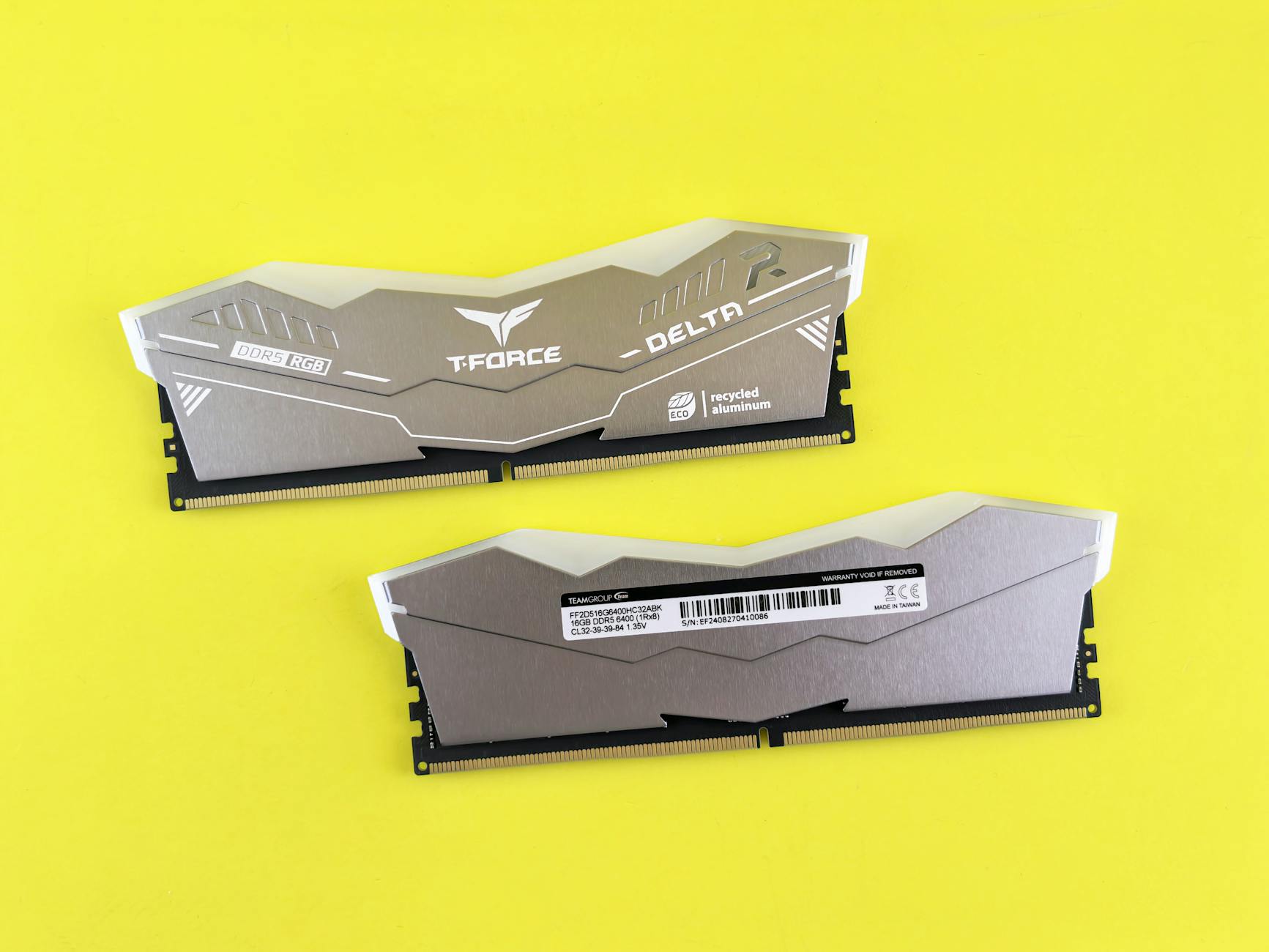
For buyers, the immediate consequence is a market where availability becomes as critical a consideration as price. The days of walking into a retailer and finding shelves stocked with DDR5 modules or mobile DRAM are already behind us. Instead, the landscape is one of allocation, prioritization, and longer lead times—changes that ripple outward from data centers to laptops and smartphones.
What's less obvious but equally consequential is how this shortage will influence product roadmaps. OEMs are already adjusting their designs to stretch memory further, a trend that could delay the adoption of next-generation architectures until supply stabilizes. Meanwhile, cloud providers and enterprise customers face a different set of challenges: balancing performance needs with constrained budgets in an environment where memory prices remain volatile.
The ripple effects extend deeper than inventory management. Memory shortages can delay hardware launches, force trade-offs between capacity and speed, and even influence software development cycles as developers optimize for scarcity. The result is a market that feels both familiar—because the symptoms echo past shortages—and unfamiliar because the scale of the deficit is unprecedented in recent memory.
Looking ahead, the timeline for relief remains uncertain. Some industry observers suggest 2026 could see the first signs of easing if new fabs come online as planned, but others warn that geopolitical tensions and capital constraints could push that window even further out. For now, buyers must navigate a market where scarcity is the rule rather than the exception.