The RTX PRO 6000 is not just another GPU—it’s a game-changer for AI workloads. It matches the collective output of four RTX 5090 cards on large-scale models, yet its power consumption is slashed to one-quarter, forcing data center operators to rethink efficiency without sacrificing performance. This isn’t about incremental gains; it’s about redefining what a single GPU can achieve when optimized for server-grade environments.
The card’s 96 GB of HBM3 memory, paired with a 120-watt TDP, makes it a powerhouse in the right setting. However, its dual-fan design and high memory bandwidth demand custom cooling solutions or pre-built server enclosures, making it impractical for desktop setups. The tradeoff is clear: unmatched performance comes at the cost of flexibility.
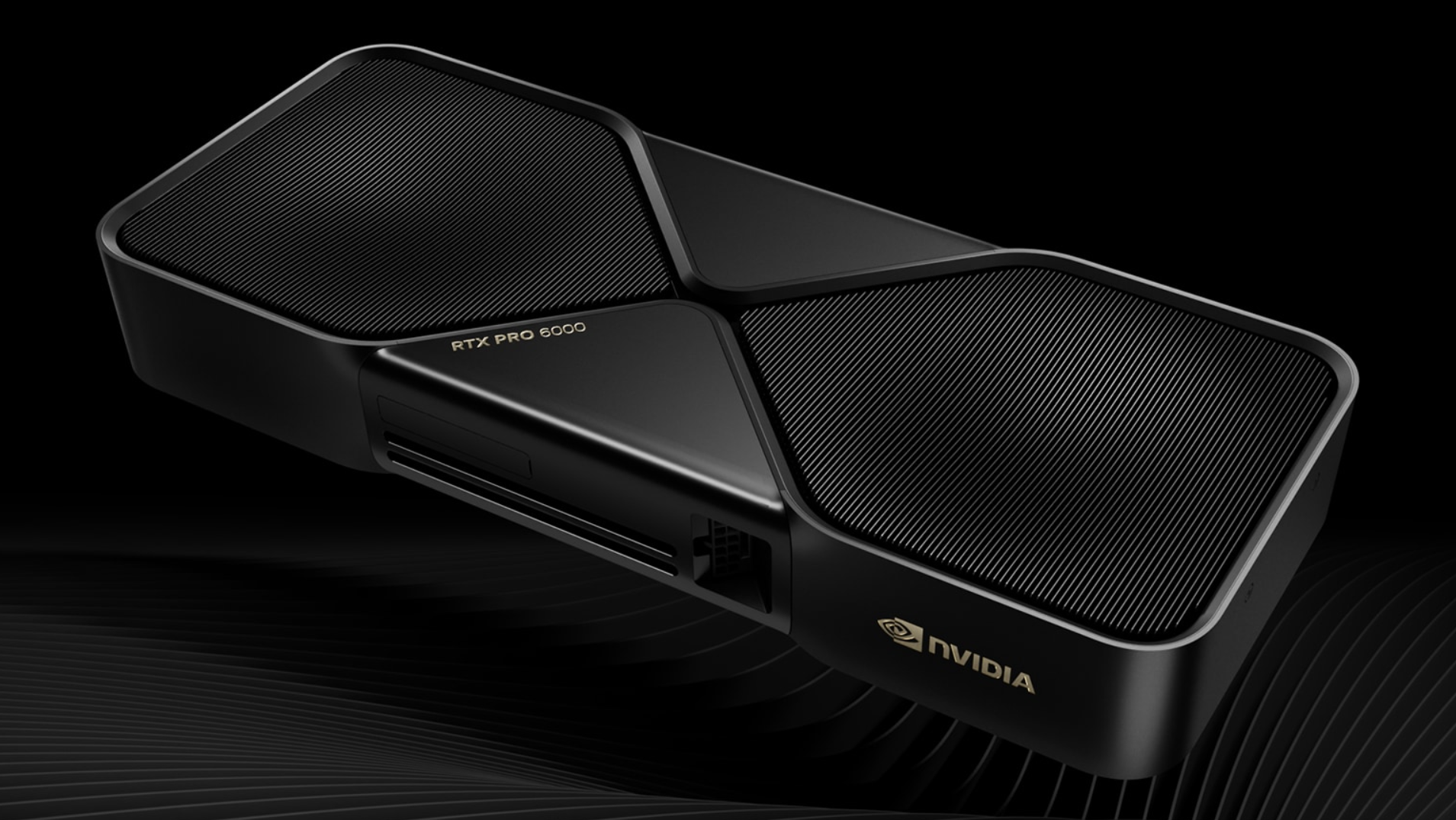
- GPU Architecture: Ada Lovelace (RTX PRO 6000)
- CUDA Cores: 24,576
- Tensor Cores: 3rd Gen, 192 per SM
- VRAM: 96 GB HBM3 (10.2 TFLOPS memory bandwidth)
- TDP: 120 W (typical), 150 W (boost)
- Memory Bus: 4,096-bit
- Display Ports: 3x DP 1.4a (120 Hz)
- HDMI: 2.1
- PCIe: 5.0 x16
- Price: $9,999 (MSRP)
The impact on data centers is immediate. A single RTX PRO 6000 can handle training runs that would normally require four RTX 5090s, drastically reducing electricity costs without compromising performance. But this efficiency comes with constraints—its size and cooling requirements mean it’s not a plug-and-play solution for home users or small-scale setups.
Market dynamics are already shifting. The RTX PRO 6000 doesn’t just outperform its peers; it challenges the industry to adapt quickly. The question now isn’t whether it’s powerful enough—it’s whether the infrastructure can keep up with this new level of efficiency and performance without breaking the bank or the data center floor.