For power users who demand both speed and efficiency, Intel’s Nova Lake platform is poised to shift the balance—literally. With up to 38 percent more L3 cache than AMD’s Ryzen 9 9950X3D2, these processors deliver a tangible performance edge that could redefine benchmarks in content creation, gaming, and heavy workloads.
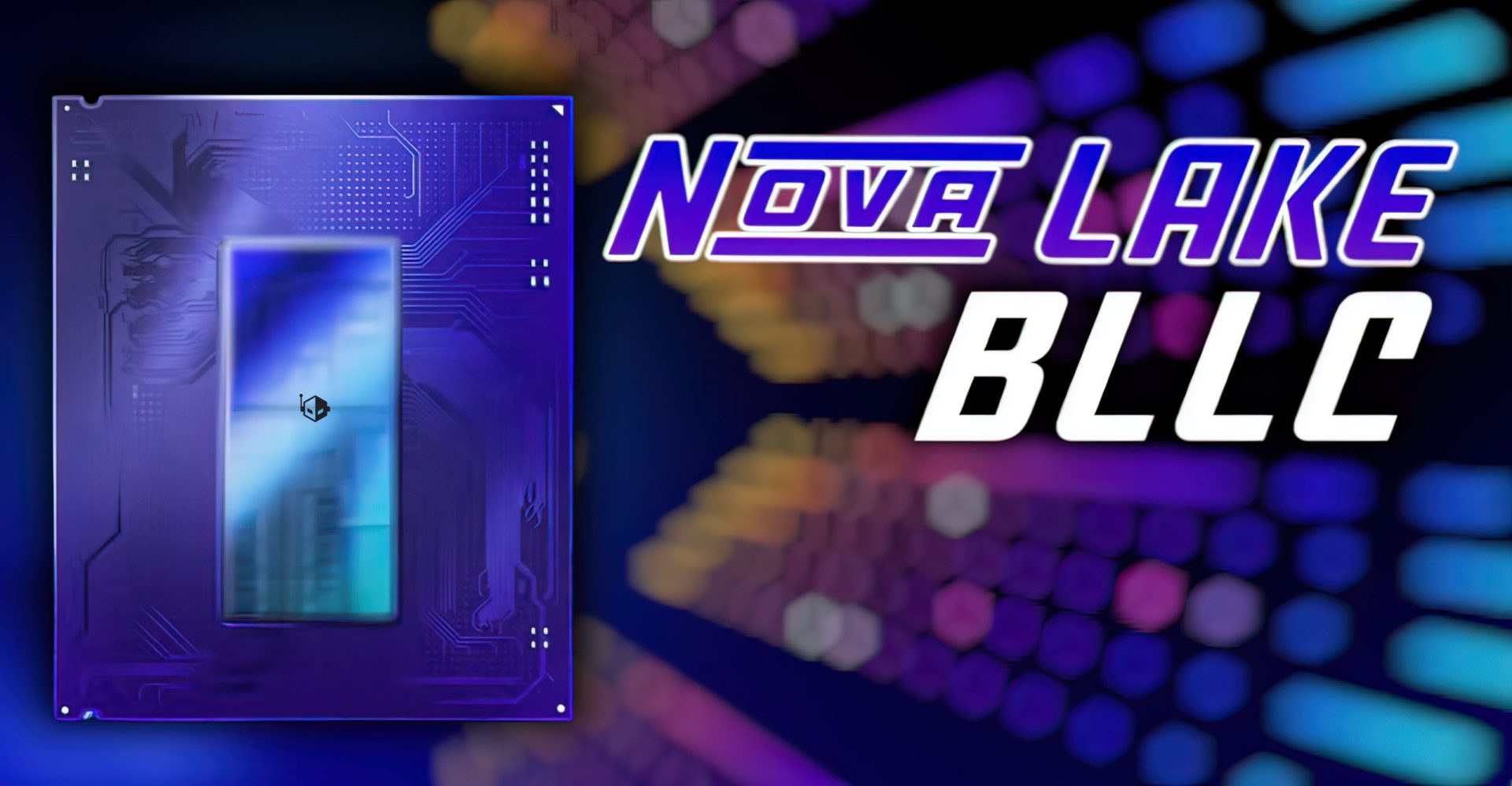
But how does this translate into real-world gains? The answer lies in Intel’s innovative bLLC (backside last-level cache) architecture, which moves the L3 cache to the back of the die. This design not only improves power efficiency but also allows for more aggressive clock speeds without thermal throttling—a critical factor for sustained performance.
Key Specs: A Closer Look
- Cache: Up to 130 MB L3 cache (vs. 95 MB on the Ryzen 9 9950X3D2)
- Cores/Threads: Configurations likely mirroring high-end mainstream offerings, with potential for hybrid core designs
- TDP: Targeted at 127W–170W, depending on model, suggesting a focus on both performance and power efficiency
- Platform Support: Compatible with existing LGA 1851 socket, ensuring no immediate need for new motherboards
The cache advantage is the most striking detail. A 38 percent increase in L3 capacity isn’t just about raw numbers—it’s about how that cache interacts with workloads. For tasks like video editing or large-scale data processing, where memory bandwidth and latency matter, this could translate into noticeable speedups without requiring expensive RAM upgrades.
Competitive Edge: Where Nova Lake Stands
The Ryzen 9 9950X3D2 remains a benchmark in its own right, thanks to its 3D V-Cache technology. However, Intel’s approach is fundamentally different: instead of stacking cache vertically, it’s optimizing the layout for lower latency and better power distribution. This could make Nova Lake particularly appealing for users who prioritize sustained performance over raw single-threaded speed.
That said, questions remain about how these gains will translate across workloads. While cache is a critical factor, other elements—like I/O bandwidth, memory support (DDR5 or DDR4?), and thermal behavior under load—will determine whether this becomes the next must-have platform for power users.
For now, Intel’s Nova Lake processors are set to debut in late 2024, with pricing expected to align closely with high-end competitors. Whether they’ll deliver a true generational leap or simply refine what’s already possible remains to be seen—but the cache advantage is undeniably a strong starting point.