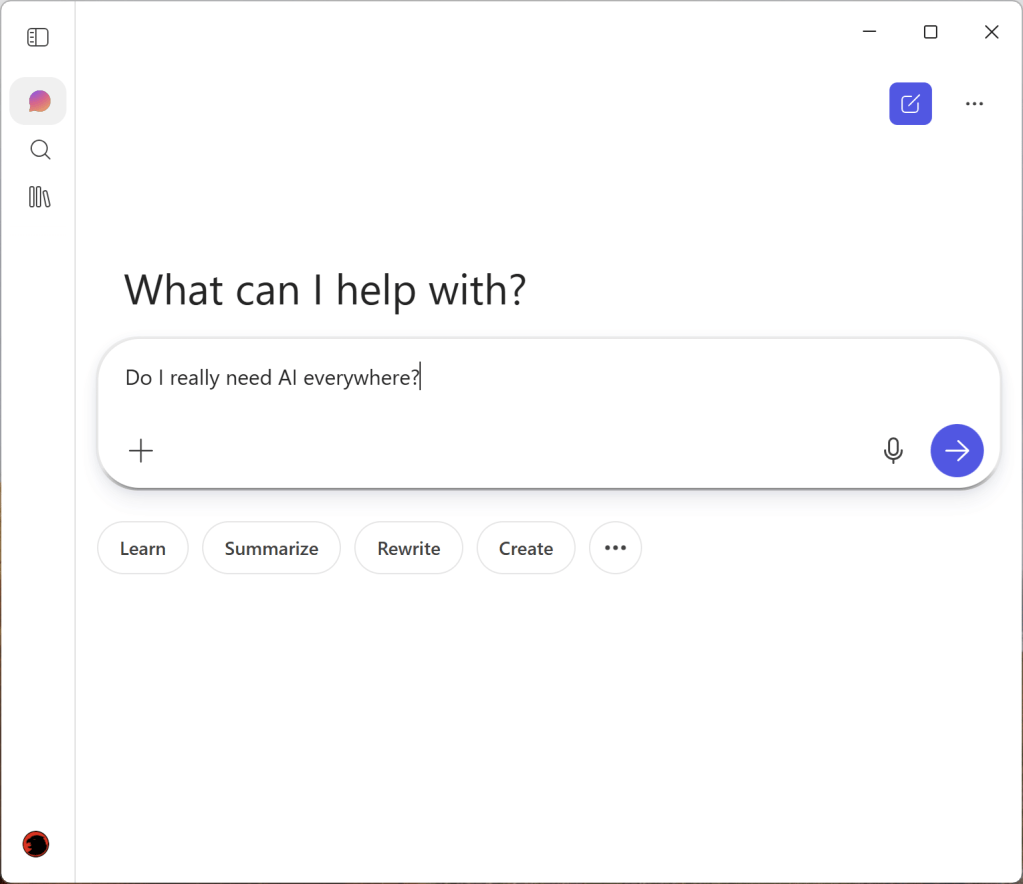
Using artificial intelligence effectively isn’t about pressing a button and hoping for the best—it’s about learning to speak its language. The way a question is framed can mean the difference between a coherent, useful answer and one that drifts into confusion or error. This invisible skill set, often overlooked by casual users, holds the key to unlocking AI’s full potential.
At a glance
- Clarity in prompts eliminates ambiguity; vague instructions lead to unreliable or nonsensical responses.
- Role specification and concrete examples significantly boost output accuracy and logical flow.
- Breaking complex tasks into smaller, structured steps improves reasoning performance.
- AI models follow instructions meticulously but falter with implicit or poorly defined requests.
The AI’s occasional tendency to generate plausible yet incorrect information reflects its reliance on pattern matching over true comprehension. Without strict guidance, it fills knowledge gaps with invented details—turning a simple request for programming languages into a mix of real and fabricated names unless the prompt imposes clear boundaries.

Experimentation reveals how small adjustments in phrasing can transform outcomes. A more explicit question or the inclusion of structured examples often shifts the AI from producing muddled responses to delivering polished, relevant answers. The mastery lies not in the AI itself, but in the precision with which humans frame their inquiries—turning a potentially chaotic interaction into a controlled, productive exchange.