In the ever-evolving landscape of personal computing, the latest iteration of the 8020 directive stands out as a deliberate shift away from traditional performance tuning paradigms. Unlike previous guidelines that emphasized raw speed or hardware upgrades, this version is explicitly designed to address the demands of data and AI workloads, signaling a broader industry trend toward specialized optimization.
The new directive introduces a set of parameters aimed at balancing computational efficiency with compatibility, particularly for tasks involving large datasets or machine learning. While the exact specifications are still emerging, early indications suggest a focus on memory bandwidth, processing latency, and thermal management—factors that have become critical in high-performance computing environments. This marks a departure from past approaches, which often prioritized clock speeds or single-thread performance without considering the broader ecosystem implications.
Key Specifications
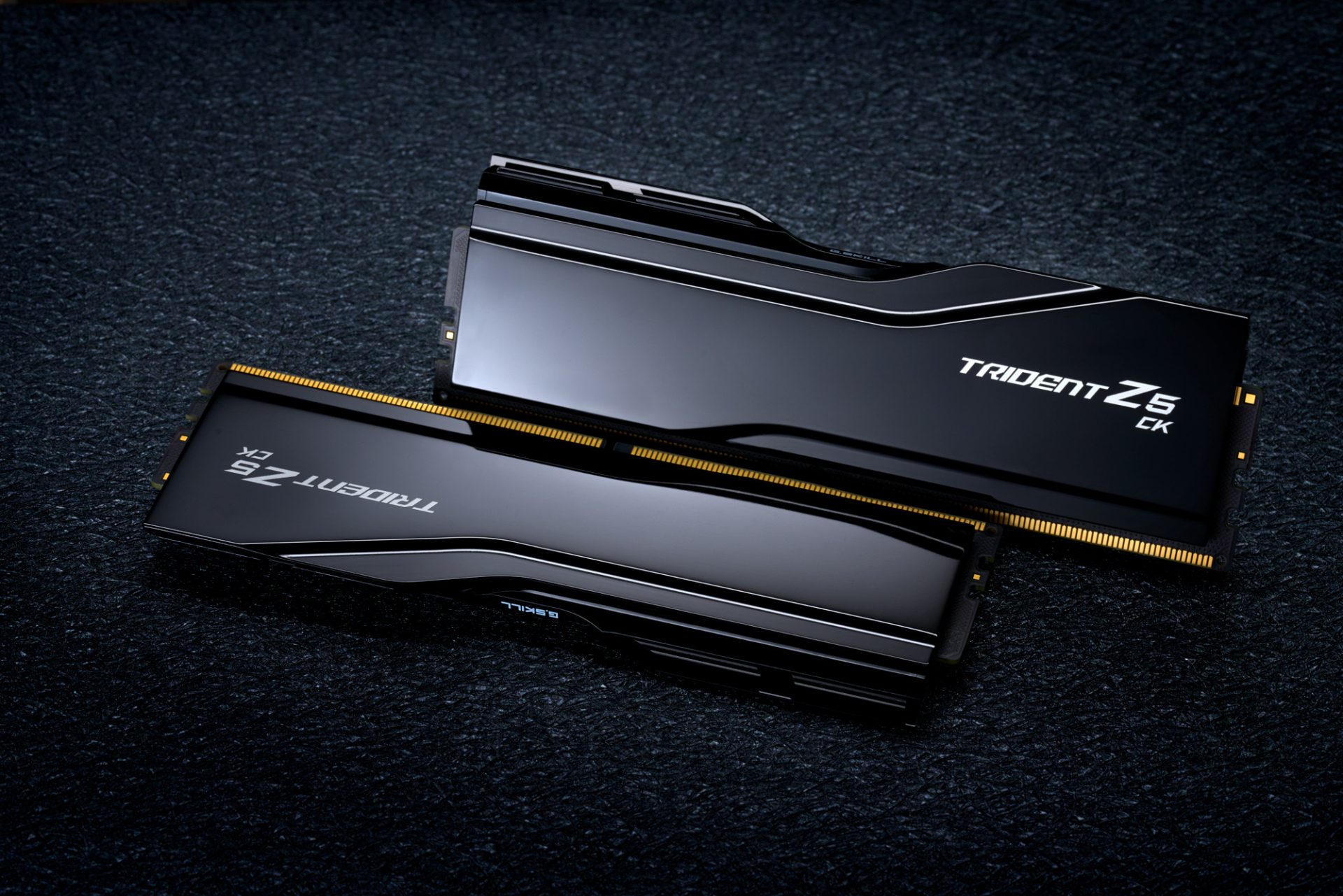
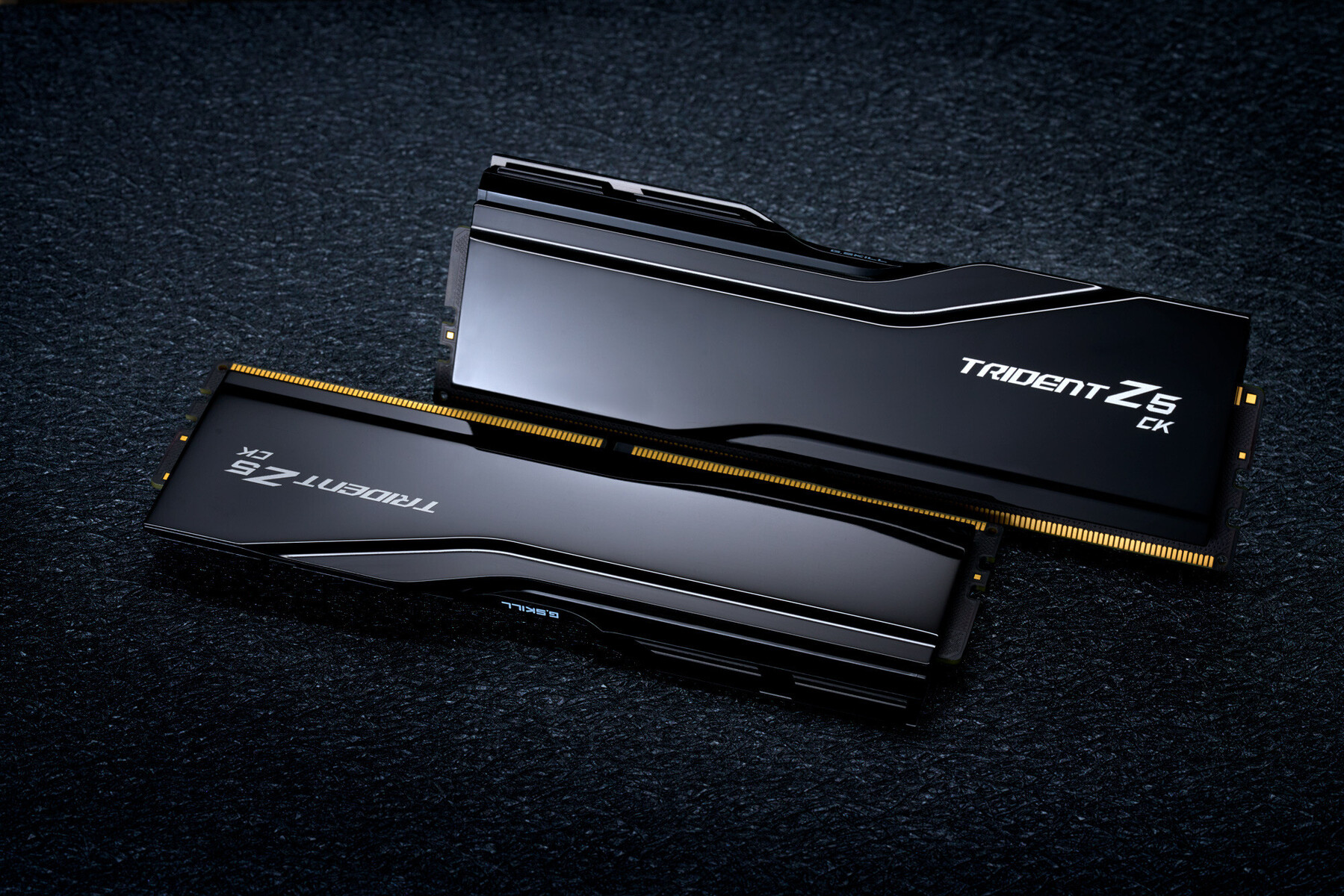
- Memory: 32 GB DDR5 with support for future upgrades to 64 GB and beyond.
- Processing: A modular architecture that allows for dynamic adjustment of core counts based on workload demands, with a baseline configuration of 8 cores and 16 threads.
- Storage: A minimum requirement of 1 TB NVMe SSD, with provisions for multi-drive configurations to accommodate growing data needs.
- Thermal Design: Integrated liquid cooling solutions are recommended for sustained high-load operations, though air-cooled alternatives remain viable for less demanding tasks.
One notable aspect of the directive is its emphasis on software compatibility. Unlike previous iterations that left hardware-software integration largely to vendors, this version includes a standardized API for performance profiling and tuning. This could potentially reduce fragmentation in the ecosystem, but it also introduces new questions about how third-party developers will adapt to these changes.
Industry Context
The 8020 directive has historically been a reference point for both hardware manufacturers and software developers, setting an unofficial standard for what constitutes a 'well-tuned' system. Its latest update reflects the growing complexity of modern workloads, where raw performance is no longer the sole metric of success. Instead, efficiency—measured in terms of power consumption, thermal output, and data throughput—has become equally important.

This shift is not without its challenges. The directive’s focus on modularity raises concerns about long-term compatibility, particularly for users who invest in high-end hardware today but may need to upgrade components down the line. Additionally, the recommended liquid cooling solutions could increase costs for entry-level systems, potentially creating a tiered market where only high-end configurations fully benefit from the new guidelines.
Implications for Users
For end users, the implications of the 8020 directive are both promising and uncertain. On one hand, the standardized API could lead to more consistent performance across different hardware platforms, making it easier for developers to optimize applications without worrying about hardware-specific quirks. On the other hand, the push toward liquid cooling may limit the appeal of the directive for budget-conscious buyers or those who prioritize portability.
Another open question is how this update will interact with existing software ecosystems. While the directive aims to future-proof systems, the reality is that many applications are still optimized for older architectures. Without widespread adoption from developers, the potential benefits of the new approach could be diluted over time.
A Calm Assessment
As it stands, the 8020 directive represents a cautious but strategic move toward addressing the evolving needs of data-driven workloads. It is too early to determine whether this will become the de facto standard for performance tuning, but its focus on compatibility and efficiency is a clear sign that the industry is moving beyond raw metrics to a more holistic approach. For now, users should treat this as an emerging trend rather than a definitive blueprint, keeping an eye on how both hardware and software landscapes evolve in response.