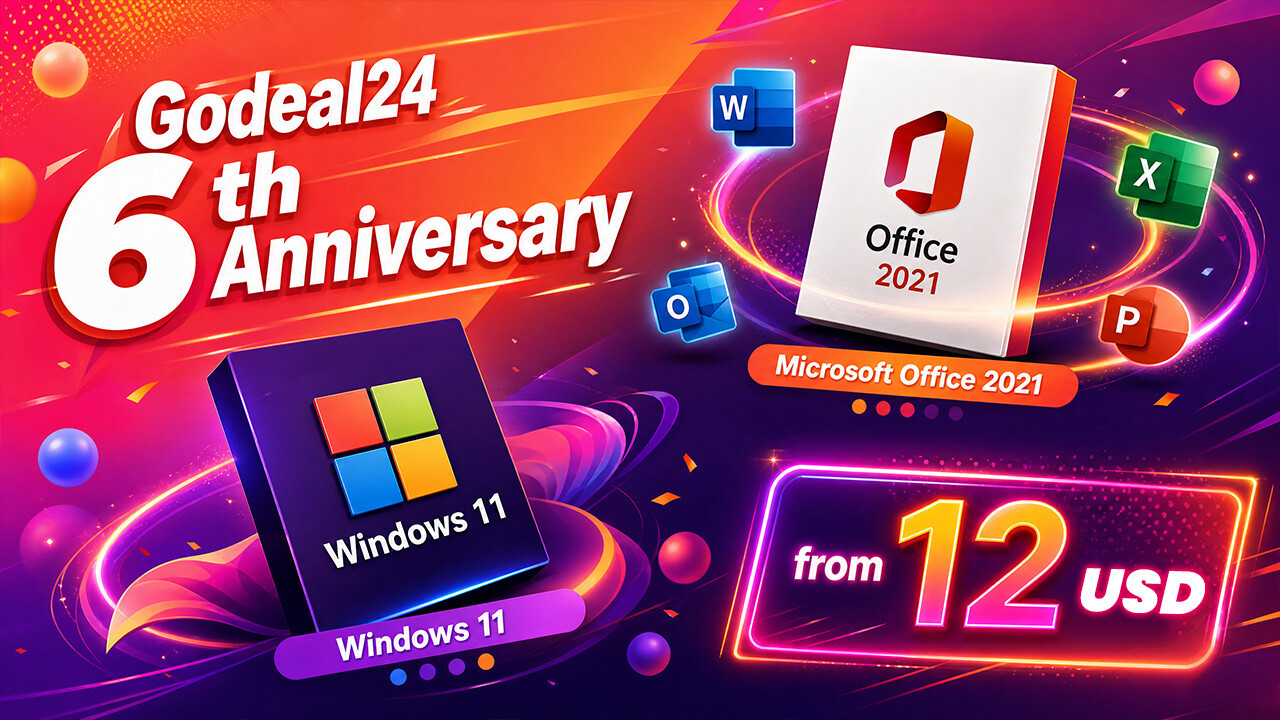
PC builders now face a sudden choice: upgrade to Windows 11 Pro for less than $10 or keep running older versions that will eventually become unsupported.
The price cut, which brings the license down from its usual $200+ range, is unusual in an era where Microsoft typically raises prices. It signals a shift in how the company views Windows 11 adoption, especially for businesses and enthusiasts who build custom systems. The lower cost could make it financially viable to move away from Windows 10 or even older versions, but only if hardware meets the new requirements.
That’s the upside—here’s the catch: not every system will qualify. Microsoft’s stricter hardware checks for Windows 11 mean that some mid-range or older PCs may still be locked out of the upgrade path, even with a discounted license. Builders must weigh whether the savings justify investing in compatible components now.
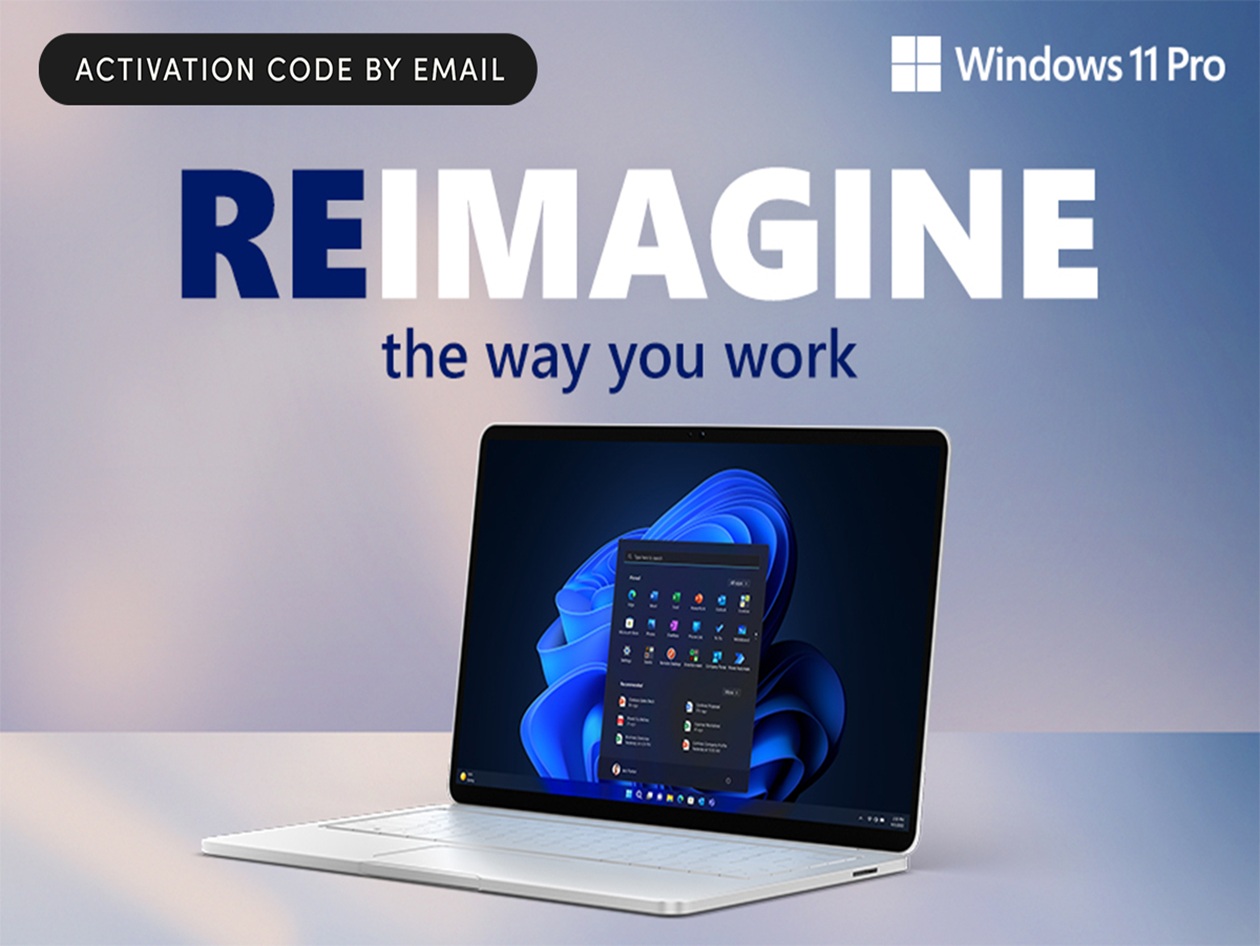
Bulk buyers, however, stand to gain the most. The price drop removes one of the biggest barriers to widespread adoption: the cost of upgrading an entire fleet of machines. For companies that delay upgrades, the risk is no longer just compatibility—it’s missing out on security updates and features while competitors move forward.
The change also raises questions about Microsoft’s long-term strategy. If Windows 11 Pro becomes a standard low-cost option, it could reshape supply chains for PC manufacturers and integrators. Instead of waiting for hardware to age out, businesses may start pushing for newer software versions earlier, even if the performance gains are marginal.
For now, the price cut is a rare bright spot in an otherwise tight market. Builders who act quickly can lock in the discount, but those with existing inventories may find themselves stuck between outdated software and the cost of upgrading both hardware and licenses.