Managing a datacenter has never been more accessible for small businesses thanks to Proxmox VE 8.1’s focus on simplicity and integration. The latest iteration of the open-source virtualization platform introduces automated installation workflows that accelerate deployment while preserving the granular control administrators need over their infrastructure. This shift is designed to reduce setup complexity, making it easier for teams without extensive DevOps expertise to deploy a production-ready environment.
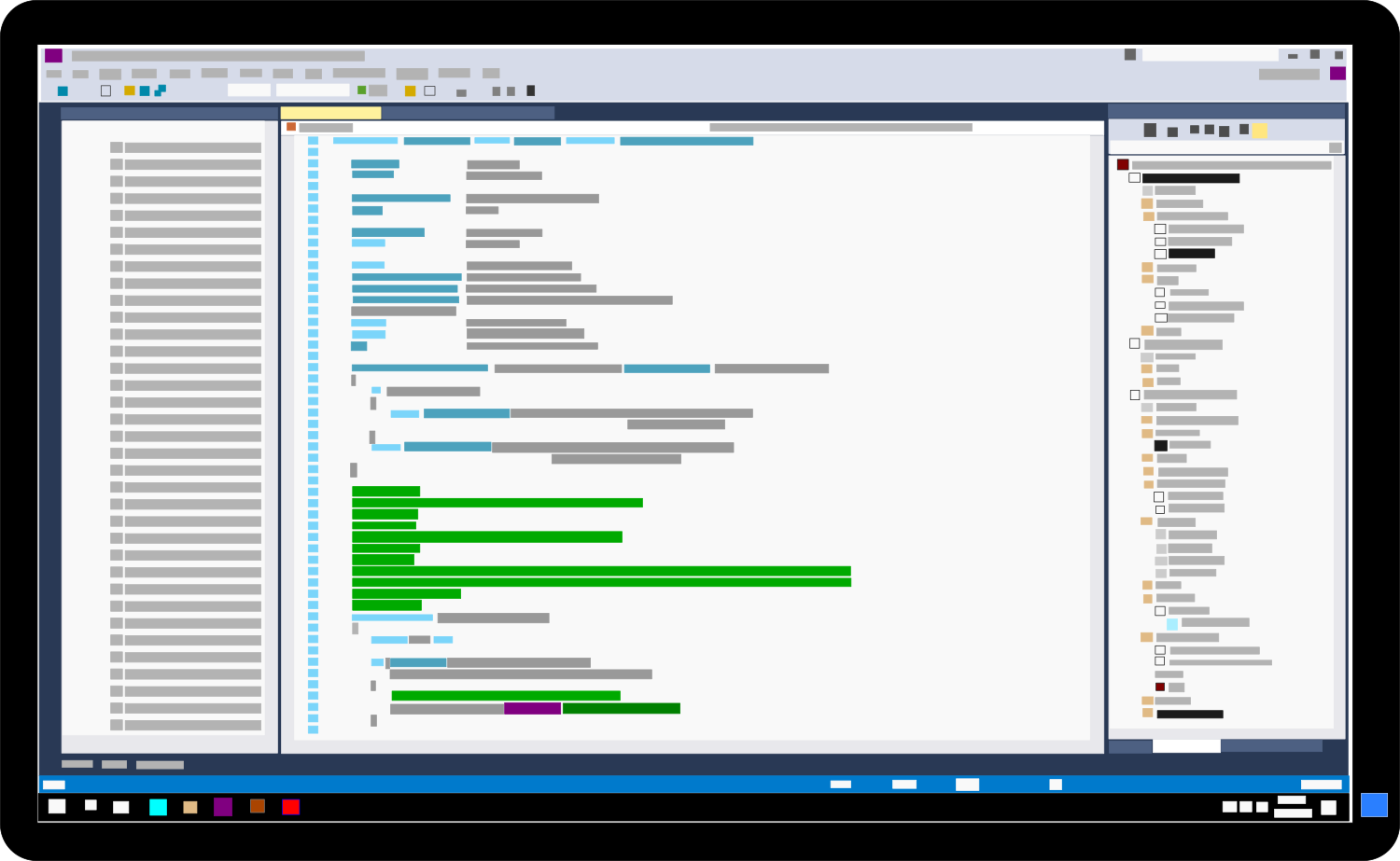
The new version also consolidates Ceph storage monitoring into the Datacenter Manager interface, addressing a long-standing pain point in mixed workload environments. Traditionally, administrators had to juggle multiple dashboards or command-line tools to monitor distributed block, file, and object storage across KVM virtual machines and LXC containers. Proxmox VE 8.1 eliminates that friction by providing real-time performance, capacity, and health metrics in a single view—all without leaving the primary management console.
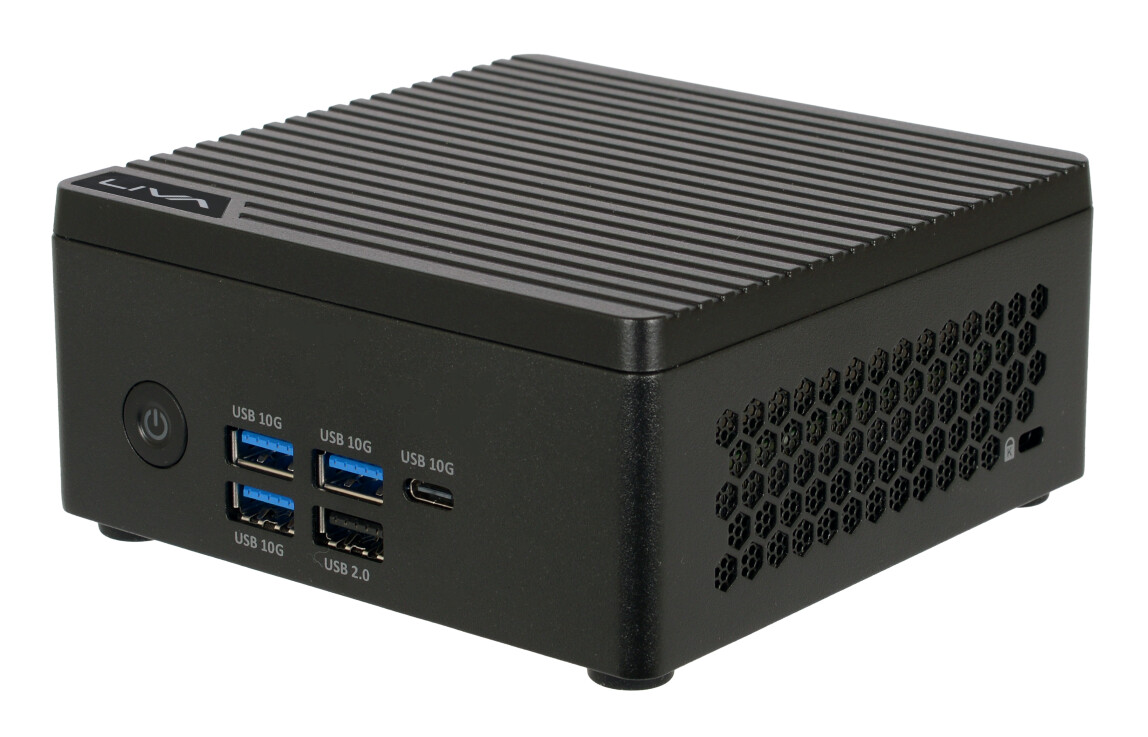
Under the hood, Proxmox VE 8.1 remains rooted in its open-source ethos, built on Debian Bookworm with full 64-bit x86_64 compatibility. This ensures seamless integration into existing hardware ecosystems, whether it’s repurposed enterprise servers or dedicated virtualization appliances. The platform continues to support a broad range of workloads, from high-performance computing clusters to containerized applications, making it a versatile choice for businesses with diverse needs.
Automation isn’t just about speed—it’s also about reducing the risk of human error during deployment. The guided installation workflows in Proxmox VE 8.1 walk users through cluster setup, node addition, and storage configuration step by step. However, these workflows are designed to be flexible enough for manual overrides when necessary, striking a balance between accessibility and precision. This approach is particularly valuable for small teams that need to maintain control over their environment while benefiting from streamlined processes.

Storage management remains a cornerstone of Proxmox VE 8.1’s value proposition. The unified Ceph monitoring dashboard provides administrators with a comprehensive view of their distributed storage infrastructure, reducing the cognitive load associated with managing complex setups. This is especially useful in shared responsibility environments where multiple team members need visibility into performance and health metrics without relying on external tools.
Despite its advancements, Proxmox VE 8.1 isn’t without limitations. Users accustomed to the platform’s traditional manual installation process may find the guided workflows restrictive, particularly when dealing with custom networking setups or intricate topologies. Additionally, there is no support for ARM-based hardware in this release, which could limit its appeal for edge computing deployments or non-x86 environments. These constraints are worth noting for businesses evaluating the platform for future-proofing their infrastructure.
Pricing and availability follow the same model as previous versions: Proxmox VE is free to download and use under the GNU Affero General Public License (AGPL), with commercial support options available through its enterprise offerings. The software is now available for immediate download, but small businesses should conduct thorough hardware compatibility checks before implementing automated installs at scale.
For organizations looking to modernize their datacenter without the overhead or cost of proprietary solutions, Proxmox VE 8.1 represents a significant step forward. It combines automation with deep customization capabilities, offering a practical path to efficiency while maintaining the open-source principles that have defined its success. Whether it’s reducing deployment time or unifying storage visibility, this release reinforces Proxmox’s role as a pragmatic choice for small businesses navigating the complexities of modern virtualization.