Starting in September, Microsoft will enforce stricter limits on Copilot’s capabilities for users without enterprise licenses. The shift—from a 40-message daily limit to zero if not properly licensed—aims to balance innovation with governance. For IT teams, this means new policies around AI adoption and compliance.
The change reflects broader trends in workplace AI: more oversight, fewer defaults. Previously, users could test Copilot freely; now, access is tied to organizational accounts. This could slow experimentation but may also reduce misuse risks.
What’s Changing for IT Teams
- Licensing Tightens: Non-enterprise users lose all Copilot functionality after September 10. Existing messages won’t vanish, but new interactions require an enterprise plan (e.g., Microsoft 365 E3/E5).
- Data Governance Expands: IT can now enforce stricter data-sharing rules for Copilot, including blocking sensitive content in prompts or responses.
- Admin Controls Grow: New settings let IT restrict Copilot to specific apps (e.g., Outlook, Teams) or disable it entirely for certain groups.
This isn’t just about limiting usage—it’s about redefining how AI integrates into workflows. For example, an enterprise might now route Copilot requests through a secure gateway, adding latency but improving audit trails.
A Look Ahead: Pricing and Availability
Pricing details remain scarce, but sources suggest Copilot will be bundled with Microsoft 365 plans (e.g., $18–$30/user/month for E3/E5). Volume discounts may apply, but IT should budget for both licensing and infrastructure costs (e.g., API calls, data storage).
Availability is also unclear. While the September cutoff is firm, rollout timing depends on regional compliance needs. Some industries (finance, healthcare) may see delays due to stricter data policies.
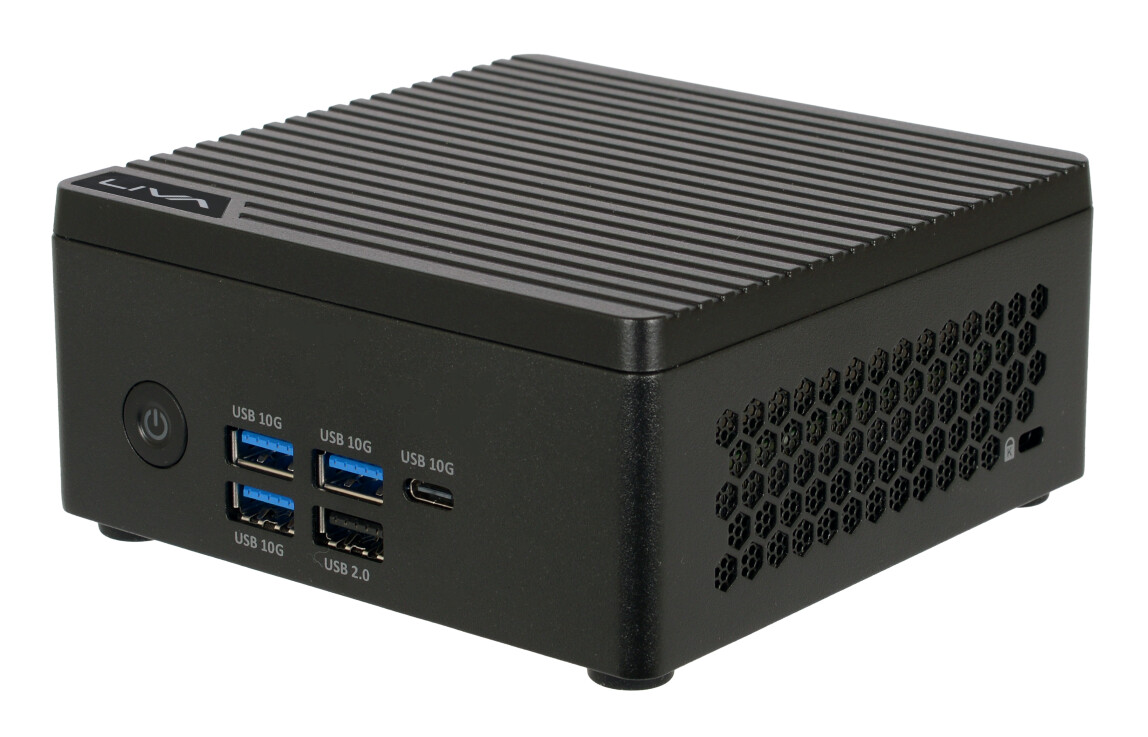
For IT, the key unknown is how this will scale with other Microsoft AI tools (e.g., Viva). Will Copilot become a module within a larger ecosystem, or remain standalone? The answer could shape long-term adoption strategies.