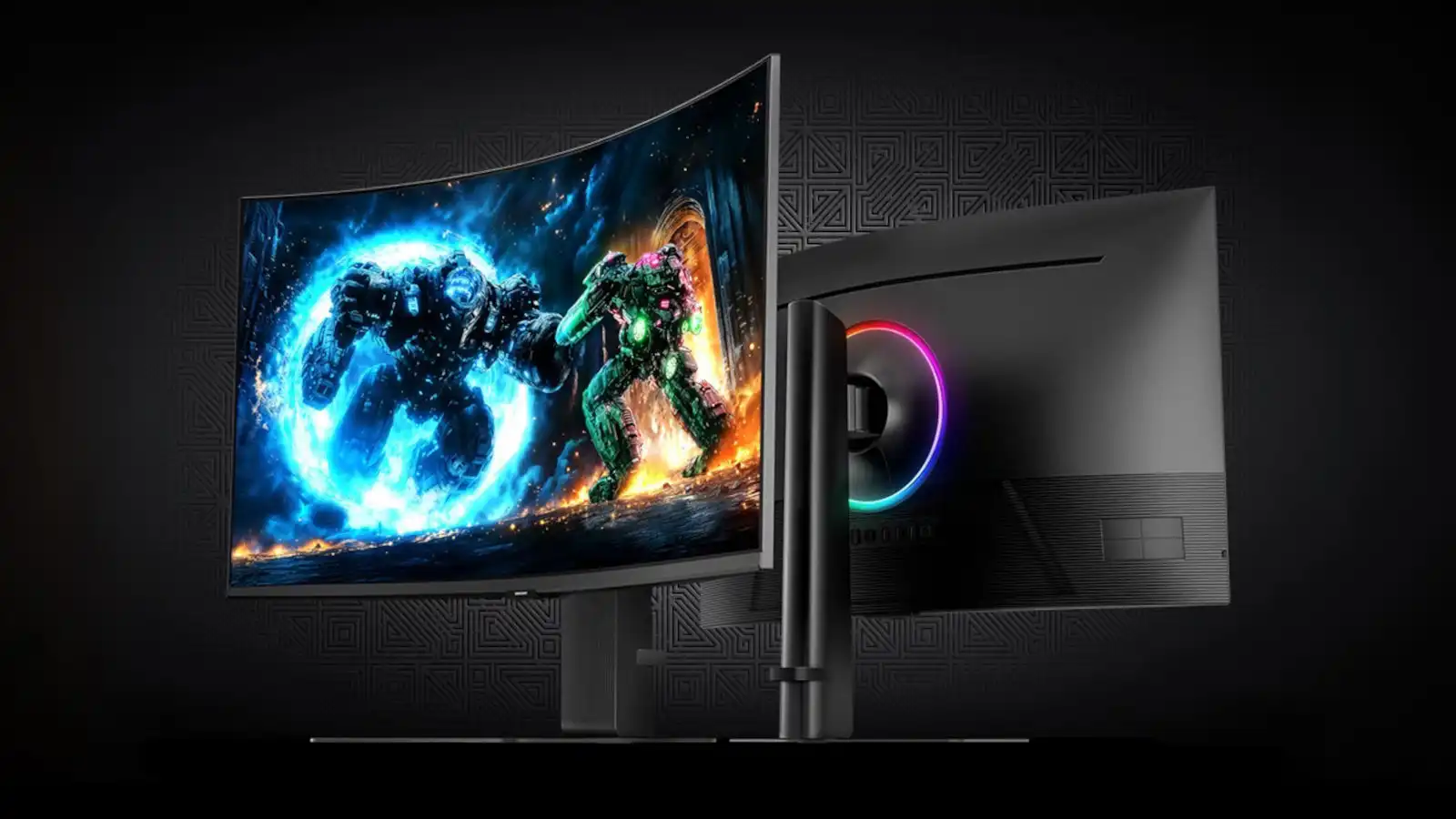
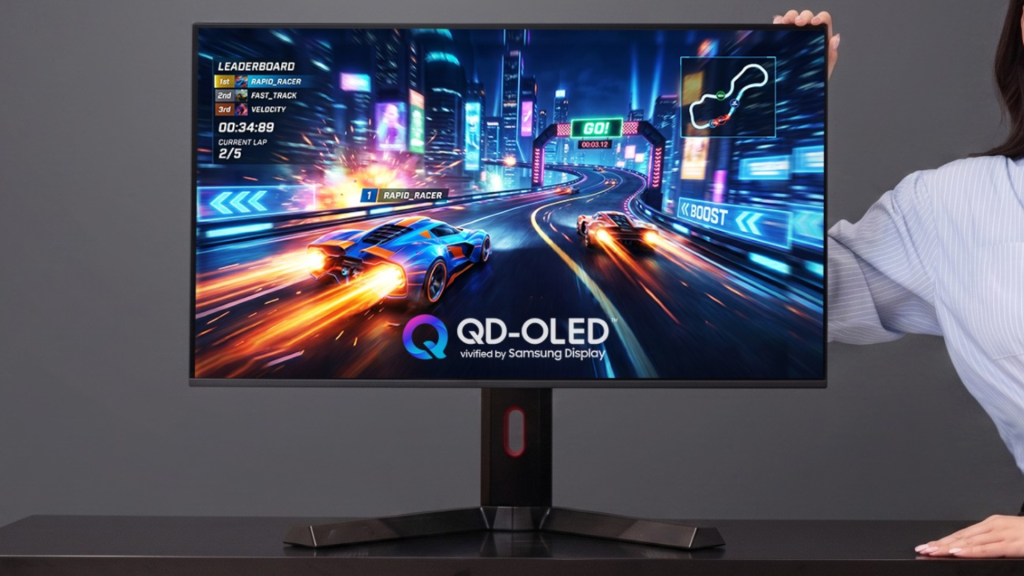
The 1000Hz barrier was always theoretical; now it is physical. A new monitor, built on BOE’s native FHD panel and branded under Philips’ Evnia line, outputs 1080p at 1000 frames per second without frame interpolation—meaning every pixel update is hardware-native, not stitched from lower-resolution slices. For competitive FPS and racing workflows, the shift is immediate: latency drops to 0.2ms GTG, motion blur vanishes entirely, and color accuracy remains professional-grade even at extreme refresh.
That’s the upside—here’s the catch. The panel supply chain for native high-refresh IPS is still in its first generation. BOE’s BLMB backlight technology, which eliminates perceptible motion blur, is proprietary but not yet widely licensed. If this becomes a bottleneck, IT teams will face a familiar dilemma: whether to adopt early and risk stock constraints, or wait and miss the performance window entirely.
Timeline and Takeaway
- What happened:
- A new 1080p IPS panel from BOE, running at native 1000Hz without interpolation, is now in production under the Evnia brand (Philips’ gaming sub-label). The model number is 25M4P5200T.
- Key specs: 99% sRGB, 95% DCI-P3 coverage; 178° viewing angle; 0.1ms MPRT (Motion Picture Response Time); 0.2ms GTG (Gray-to-Gray).
The monitor is not a retrofitted model; it is built from the ground up to handle 1000Hz as its native rate, meaning no frame interpolation artifacts. That changes how latency and motion blur are measured in competitive environments.

Practical Angle for IT Teams
For workflows that demand sub-1ms response times—esports, high-end sim racing, or real-time data visualization—the monitor removes a long-standing trade-off: you no longer have to choose between refresh rate and color fidelity. The panel’s 95% DCI-P3 coverage means HDR content remains accurate even at 1000Hz, which is unusual for high-refresh displays.
That said, the technology is not yet scalable beyond this first generation. BOE’s BLMB backlight module, which eliminates motion blur, is a single-source component. If demand outstrips supply, IT teams may find themselves in a familiar position: ordering months ahead to secure stock, or accepting longer lead times while competitors move forward.
For now, the monitor stands as a proof of concept—one that redefines what ‘native’ means at 1080p. The question for buyers is not whether they need it today, but whether they can wait for the next generation without falling behind.