The computing landscape is undergoing a quiet revolution. The days when a central processing unit alone could handle the demands of modern workloads are fading fast. Instead, systems are increasingly designed around a mix of processors—CPUs paired with GPUs, data processing units (DPUs), and other specialized chips—to deliver performance tailored to specific tasks.
This shift is not just about raw speed; it’s about efficiency, flexibility, and breaking free from the constraints of monolithic architectures. AMD has positioned itself at the forefront of this transition, arguing that the future belongs to heterogeneous systems where workloads are distributed across multiple chip types based on their strengths. The implications for developers, hardware vendors, and end users could be profound.
At a glance
- Architectural shift: Traditional CPU-centric designs are giving way to systems that integrate GPUs, DPUs, and accelerators for optimized performance.
- Workload specialization: Different chip types—CPUs for general tasks, GPUs for graphics and parallel processing, DPUs for data handling—collaborate to maximize efficiency.
- Performance gains: Benchmarks demonstrate significant improvements in power efficiency and throughput when workloads are distributed across heterogeneous architectures.
- Ecosystem flexibility: Developers gain the ability to mix components from multiple vendors, potentially reducing vendor lock-in and fostering competition.
The move toward heterogeneity is not without its challenges. Managing diverse chip types requires new software paradigms, such as unified programming models that abstract away the complexities of different hardware. Early adopters report that while the performance gains are substantial—often 20% to 30% improvements in power efficiency for AI and data-center workloads—the development overhead can be steep if not carefully managed.
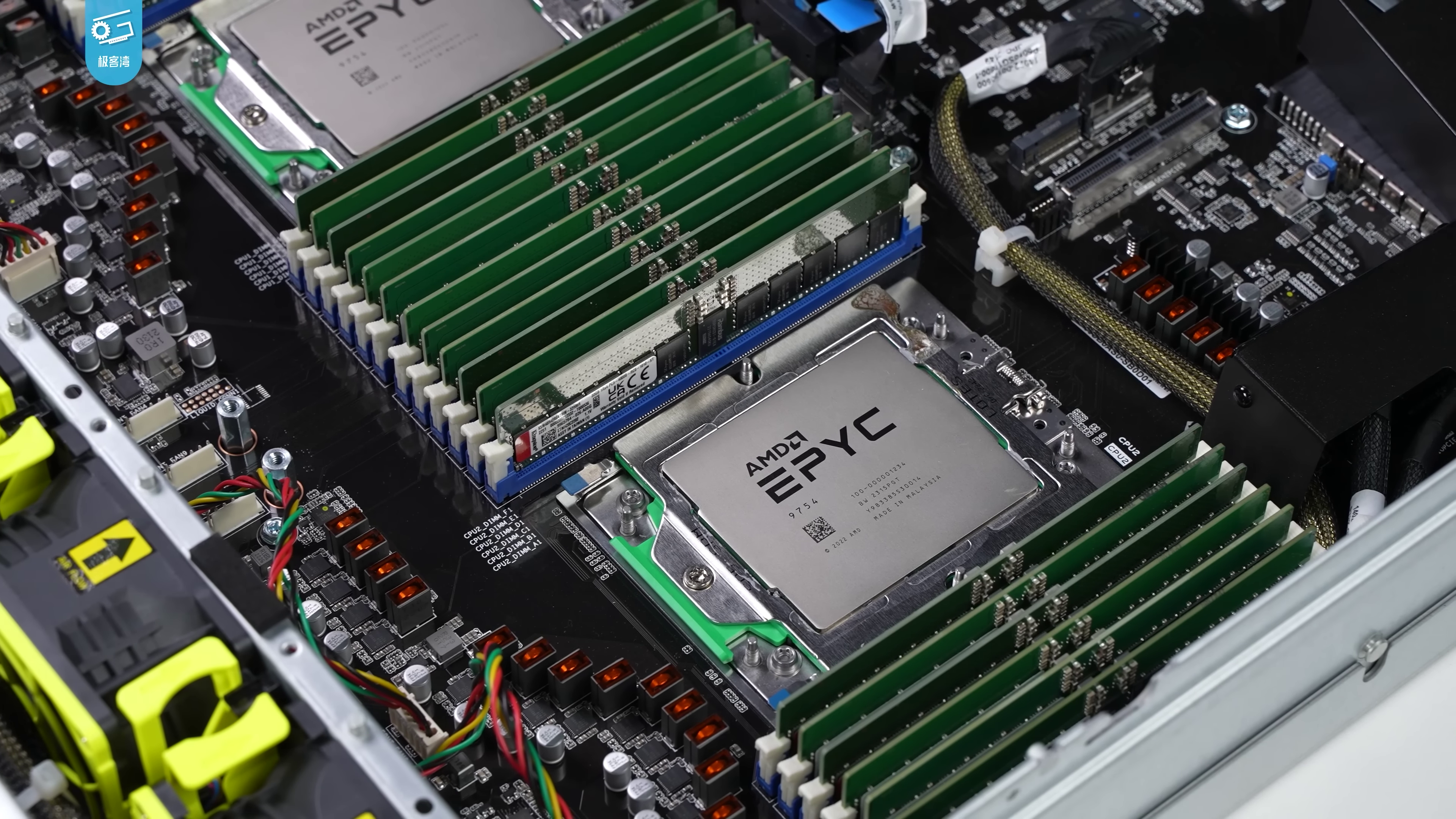
AMD’s strategy also targets another long-standing industry issue: vendor dominance. By promoting open, mixed-architecture systems, the company aims to dismantle the rigid dependencies that have historically tied users to a single supplier. This could accelerate innovation, but it will require collaboration across the industry to standardize interfaces and ensure seamless interoperability.
The question remains whether heterogeneous computing will fully supplant traditional CPU-centric designs or coexist as part of a hybrid landscape. Early indicators suggest that for certain workloads—particularly those involving AI, machine learning, and data processing—the shift is already underway. However, the broader adoption hinges on two key factors: the maturity of the software ecosystem to support these architectures and the willingness of developers to embrace new paradigms.
What is clear is that AMD sees this as more than a technological evolution—it’s a strategic imperative. The company’s recent acquisitions, such as Xilinx, and its investments in DPU technology underscore its commitment to building a robust heterogeneous ecosystem. If successful, this approach could redefine the boundaries of what’s possible in computing, moving beyond the limitations of single-processor designs to unlock new levels of performance and adaptability.