SK Hynix is fast-tracking its memory fabrication strategy in response to the relentless growth of AI infrastructure. The company has revised its timeline for a new fab, now aiming for completion by February 2027—three months ahead of schedule—while another facility in Cheongju will start producing silicon wafers as early as this month.
This aggressive expansion follows a $12.9 billion investment in advanced chip packaging announced earlier this year. The Yongin Semiconductor Cluster, slated to house four fabs when fully operational, represents a $407 billion commitment over time. Unlike previous expansions, this push is directly tied to the AI industry's insatiable appetite for high-bandwidth memory (HBM), which powers data center GPUs.
The shift in demand patterns is evident: AI customers are moving away from short-term supply agreements toward multi-year contracts, reflecting both the scale and stability of their needs. For SK Hynix, this means balancing rapid production growth with long-term profitability—a challenge echoed by competitors like Samsung, which has emphasized a cautious CAPEX strategy to avoid oversupply risks.

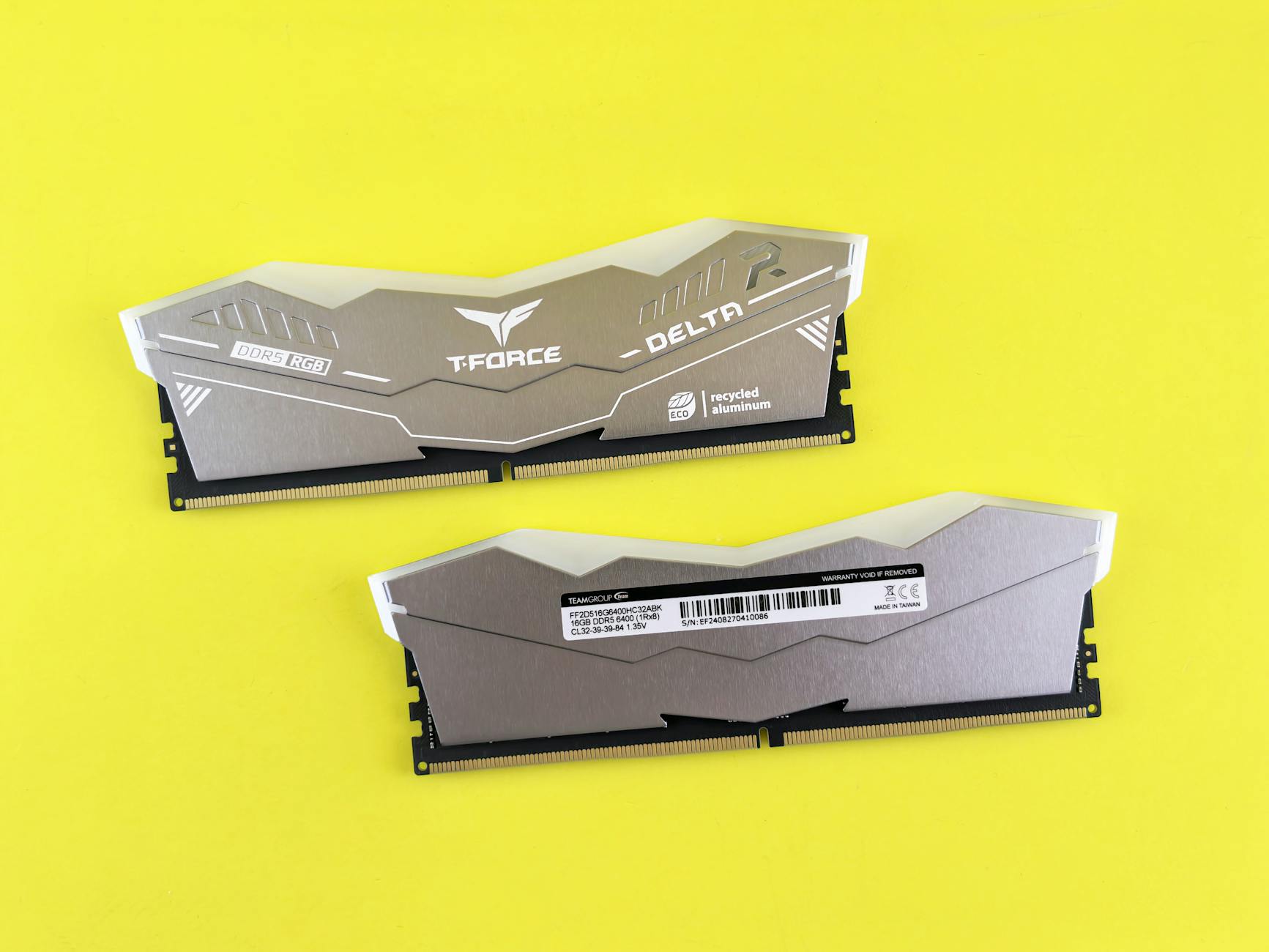
While this ramp-up is primarily designed for data center and hyperscale applications, industry analysts note that any increase in overall supply could eventually trickle down to broader markets. However, the immediate impact on consumer prices remains uncertain, as memory module manufacturers continue to operate under severe cost pressures despite strong demand.
The company's stock performance underscores the financial stakes: SK Hynix's share price has surged by 280% over the past year, a stark contrast to the experience of end consumers facing persistently high DRAM prices. The question now is whether this production surge can break the cycle of scarcity and pricing volatility that has defined the memory market in recent years.