The motherboard market is tightening, and it’s not just about RAM anymore. With AI-driven demand reshaping the hardware landscape, motherboard manufacturers are now facing their own supply crunch—a development that could force IT teams to rethink their upgrade strategies.
Historically, motherboards have been a stable component in PC builds, but recent reports suggest a shift. Production bottlenecks and increased demand for high-end models are creating shortages that mirror the RAM crisis of 2023. The difference this time? The shortage isn’t just about availability; it’s also about pricing and timing.
Why Now?
The AI surge has been a double-edged sword. While it has driven demand for GPUs and specialized hardware, the ripple effect is now hitting motherboards. Manufacturers are struggling to keep up with orders, particularly for models that support newer chipsets or PCIe 5.0 standards. This isn’t just an issue for gaming rigs; data centers and workstations are also feeling the pinch.
What’s at Stake?
- Supply: Stock levels are dropping faster than expected, with some models already listed as 'out of stock' indefinitely.
- Pricing: Prices for high-end motherboards have surged by 15-20% in the last quarter alone.
- Availability: Lead times, which were already stretched, now range from 8 to 12 weeks depending on the model.
That’s the upside—here’s the catch. While manufacturers are ramping up production, the timeline for relief is uncertain. Some industry analysts suggest the situation could stabilize by mid-2025, but that’s a long wait for IT teams planning upgrades now. The question isn’t just whether to upgrade; it’s when.
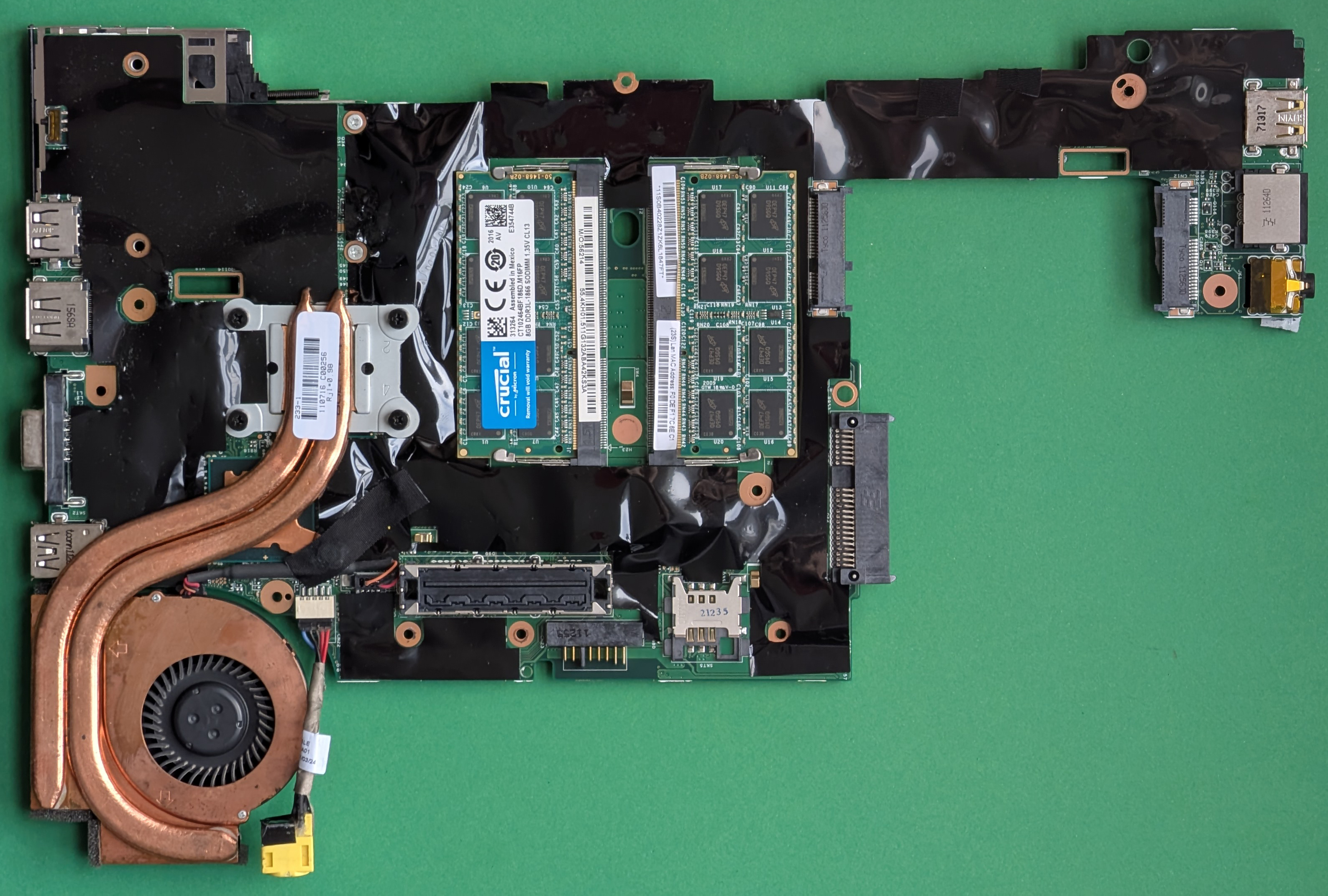
Navigating the New Landscape
For IT professionals, the motherboard shortage adds another layer of complexity to an already challenging market. The key will be balancing immediate needs with long-term planning. Stockpiling compatible components might seem like a safeguard, but it risks tying up capital without guaranteeing availability when needed.
The best approach may lie in diversifying suppliers and prioritizing models that offer the most flexibility. For example, motherboards with multiple M.2 slots or support for future chipsets could mitigate some of the risks associated with rapid obsolescence. Meanwhile, keeping an eye on manufacturer announcements for new releases—or restocks—will be crucial.
Who Benefits Most?
The teams that come out ahead will be those that can adapt quickly to these changes. IT departments that have already secured a portion of their motherboard inventory will have more breathing room, but even they face the risk of delayed shipments or price hikes. For smaller businesses or individual builders, patience—and a willingness to explore alternative configurations—will be key. The motherboard shortage isn’t just another blip on the radar; it’s a sign that the PC hardware market is entering a new phase, one where timing and strategy matter more than ever.