Nacon’s latest showcase at Nacon Connect 2026 has unveiled a series of technical and platform-focused updates designed to address long-standing barriers to adoption, particularly for small businesses. The focus on cross-platform compatibility and workload-specific optimizations signals a strategic pivot aimed at securing its place in the gaming ecosystem.
The event marked a notable departure from previous iterations by emphasizing interoperability between hardware and software components, a move that could redefine how studios approach game development and deployment. This shift is particularly relevant for small businesses, which have historically faced challenges in integrating Nacon’s solutions into their existing workflows.
Technical Details: A Platform-Forward Approach
The core of the showcase centered on a new generation of hardware designed to bridge gaps between legacy systems and next-generation requirements. While specifics remain under wraps, key technical highlights include
- Cross-platform compatibility: Support for a broader range of operating systems and development environments, including Windows, Linux, and macOS, with a focus on seamless integration into existing pipelines.
- Workload optimization: Enhanced performance metrics for tasks such as rendering, physics calculations, and multi-threaded processing, tailored to small business needs without sacrificing scalability.
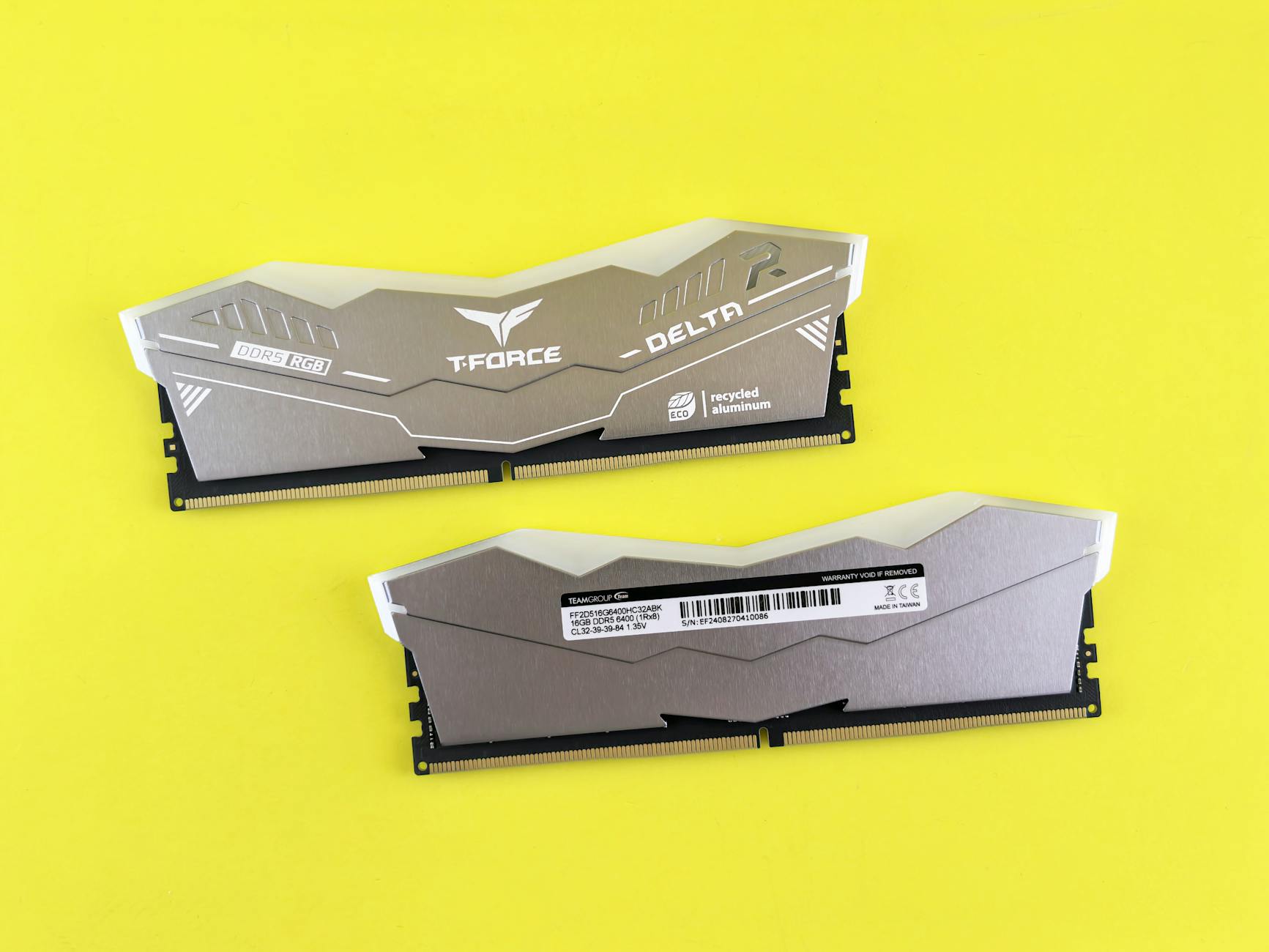
- Memory and storage: Up to 128GB of DDR5 RAM and 4TB of NVMe storage, with configurable options to balance cost and performance for different use cases.
These specifications suggest a platform that is not only technically capable but also strategically aligned with the needs of small businesses. The emphasis on configurability allows studios to tailor hardware to specific workloads, whether for indie game development or larger-scale projects. This flexibility could address one of the biggest pain points for smaller teams: the inability to scale solutions without significant upfront investment.

Future-Proofing and Adoption Challenges
The showcase also hinted at broader industry trends, including the growing demand for cloud-based development tools and collaborative environments. While Nacon has historically lagged behind competitors in platform adoption, this iteration appears to prioritize interoperability with third-party ecosystems, a critical step toward overcoming past fragmentation.
For small businesses, the potential for future-proofing is significant. The ability to integrate Nacon’s solutions with existing infrastructure—whether on-premise or cloud-based—could reduce dependency on proprietary systems and lower long-term costs. However, the platform must still prove its reliability in real-world scenarios, particularly when compared to established alternatives.
The next phase for Nacon will likely focus on refining these technical capabilities while expanding its market reach. Pricing details remain undisclosed, but industry observers expect announcements in the coming quarters, potentially as early as mid-2026. For small businesses, this could represent a pivotal moment in determining whether Nacon can transition from niche player to a viable option for mainstream adoption.