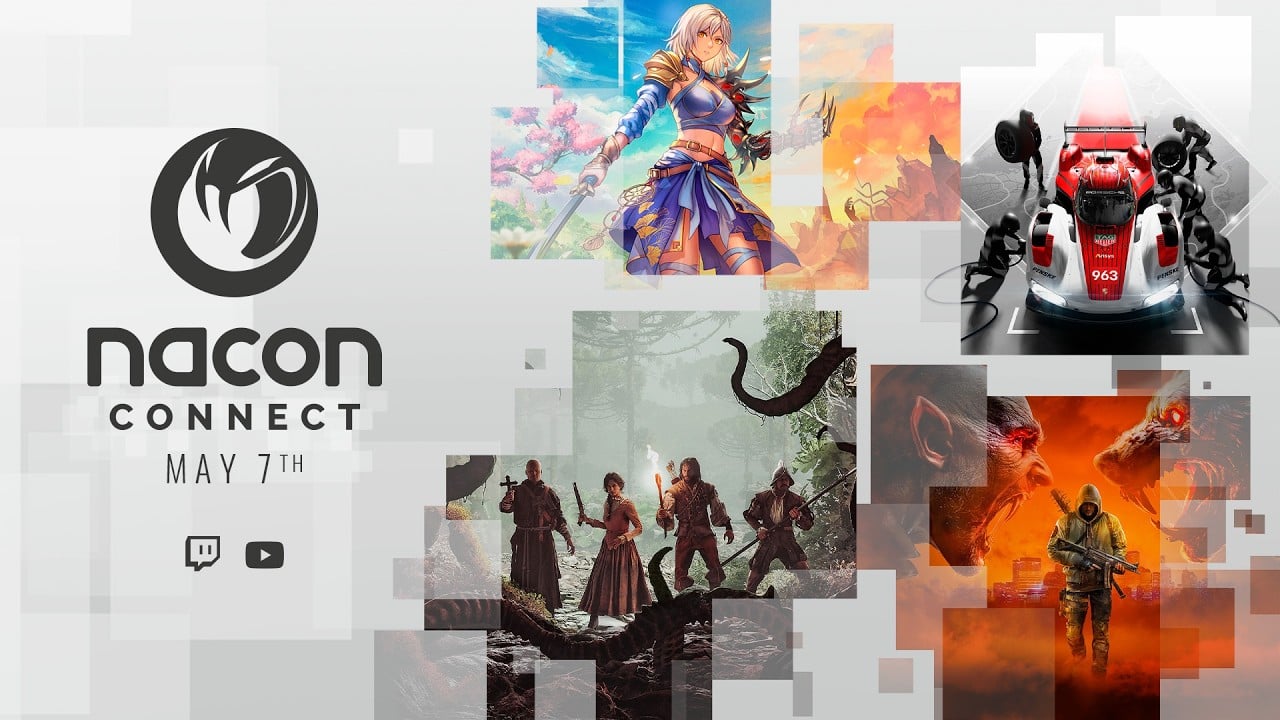
Nacon’s closure of the Big Bad Wolf platform is reshaping the mobile gaming industry, leaving independent developers to navigate a landscape without one of their most reliable distribution channels. The shutdown, set for July 1st with a transition period extending into late 2024, eliminates a critical player that had specialized in supporting indie studios, particularly those developing casual and hyper-casual games.
Big Bad Wolf’s tools—ranging from monetization frameworks to player analytics—had become a staple for smaller teams looking to compete in an industry increasingly dominated by larger publishers. Its departure signals a broader trend of financial consolidation, where even niche platforms are reassessing their long-term viability. For developers, this means a scramble to find alternative solutions or adjust their projects to meet the demands of more established distribution channels.
The closure also raises questions about the future of indie game development. While larger publishers may see an opportunity to expand their market share, they will face challenges in supporting a diverse range of developers without the specialized infrastructure Big Bad Wolf provided. The shift could lead to increased competition among indie studios, particularly those with strong community engagement or unique intellectual property.
For Nacon, the move reflects a strategic realignment in an industry where financial pressures are forcing companies to refocus their operations. The company’s decision to close Big Bad Wolf is part of a broader trend toward consolidation, where smaller platforms are being absorbed or phased out in favor of more scalable models. This could have long-term implications for the mobile gaming ecosystem, potentially reducing the number of specialized tools available to indie developers.
Looking ahead, the impact on the industry will depend on how quickly developers can adapt. Those who can leverage alternative distribution channels or pivot to new business models may find success, while others could struggle to maintain momentum in a more consolidated market. The situation also highlights the need for greater flexibility in game development strategies, as studios must balance innovation with the realities of an increasingly competitive landscape.
The end of Big Bad Wolf is not just a business decision—it’s a reflection of the broader challenges facing indie developers in an evolving mobile gaming industry. As the market continues to shift, adaptability will be key for those looking to thrive in an environment where consolidation is becoming the norm.