The iPhone 17 Pro Max has emerged as a game-changer for independent filmmakers, offering a suite of professional-grade tools that challenge the need for bulky and expensive camera setups. Its advanced features are not just simplifying the production process but also enabling new creative possibilities, as seen in this year’s MAMI Select: Filmed on iPhone shorts.
Four emerging filmmakers leveraged the device to craft distinct cinematic languages, demonstrating how it can serve as a versatile tool for storytelling. The iPhone 17 Pro Max’s pro camera system, cinema-grade video capabilities, and advanced features allowed these creators to push boundaries in terms of movement, sound design, and post-production flexibility.
Redefining Creative Boundaries
One of the standout features is the device’s ability to handle challenging lighting conditions. Filmmaker Shreela Agarwal used ProRes RAW to capture footage in low-light environments, such as Mumbai’s streets at night. This high-performance codec provided a wider color gamut and dynamic range, enabling her team to recover details in dark scenes during post-production. The result was a significantly brighter and crisper image compared to what the naked eye could see on set.
Additionally, the iPhone 17 Pro Max’s internal stabilization allowed Agarwal to glide alongside actors or even climb rocks with them, providing a level of dynamism and rhythm that would be difficult to achieve with traditional camera setups. This freedom of movement is one of the key advantages that the device offers, making it an attractive option for filmmakers who prioritize creative expression over technical constraints.
Enhancing Sound Design and Post-Production
Ritesh Sharma’s short film, She Sells Seashells, showcased another aspect of the iPhone 17 Pro Max’s capabilities: its sound design features. Sharma used the Audio Mix feature to zero in on specific sounds, such as the crashing waves of the Arabian Sea or the chaos of Goa’s carnival. This allowed him to create a precise aural milieu that enhanced the film’s narrative.
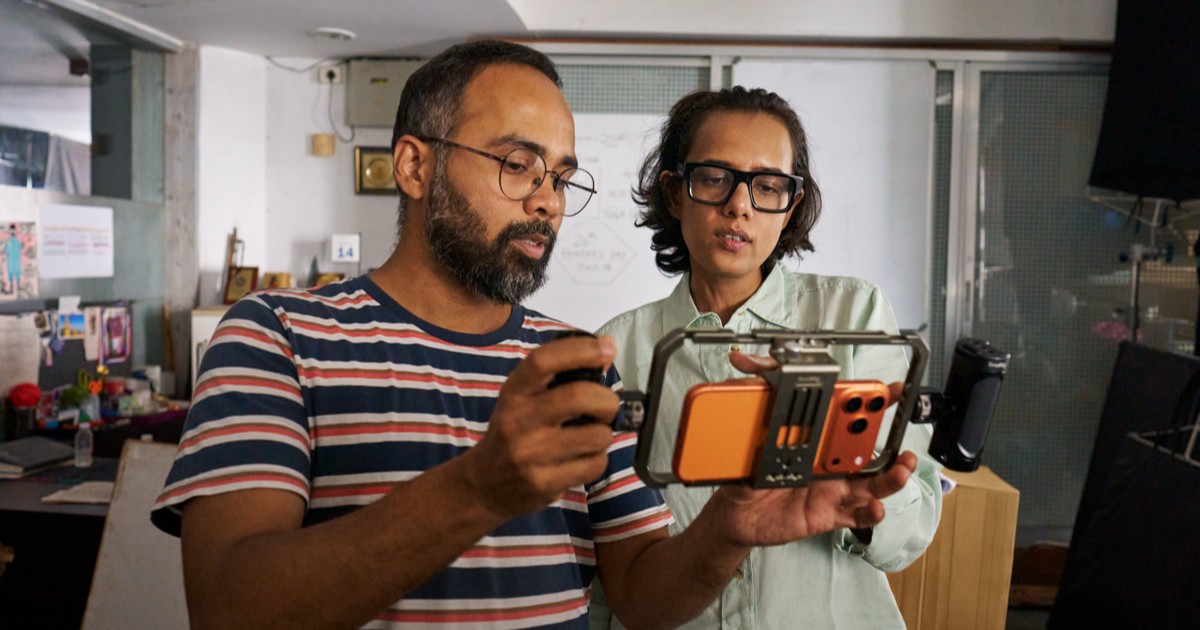
During preproduction and post-production, Sharma also utilized Sidecar to convert an iPad Pro into a second monitor, streamlining the editing process. The device’s performance in handling heavy 4K timelines was another notable aspect, as it kept up with the crew through long days on set and during post-production. This efficiency is crucial for independent filmmakers who often work with limited resources.
Overcoming Technical Challenges
Robin Joy’s short film, Pathanam (Paradise Fall), demonstrated how the iPhone 17 Pro Max can tackle ambitious projects that involve complex action sequences. The device’s Action mode kept the frame stable even in challenging conditions, such as filming on a small boat in the middle of a lake.
Joy also faced a significant technical challenge with his most aspirational shot, which involved an angel unfolding its wings and returning to the heavens. This sequence required advanced post-production techniques, including AI-powered mask tracking in Adobe Premiere Pro. The power-efficient performance of the M5 chip on MacBook Pro played a crucial role in making this process feasible within a tight timeline.
Looking Ahead: The Future of Independent Filmmaking
The iPhone 17 Pro Max is not just a tool for filmmakers; it represents a shift in how stories are told and consumed. Its accessibility and advanced features are democratizing the medium, allowing new narratives to emerge without the need for expensive equipment or extensive post-production resources.
As more filmmakers explore the possibilities offered by the iPhone 17 Pro Max, we can expect to see a continued evolution in how independent films are created. This year’s MAMI Select: Filmed on iPhone shorts serve as a testament to the device’s potential and its role in shaping the future of cinema.