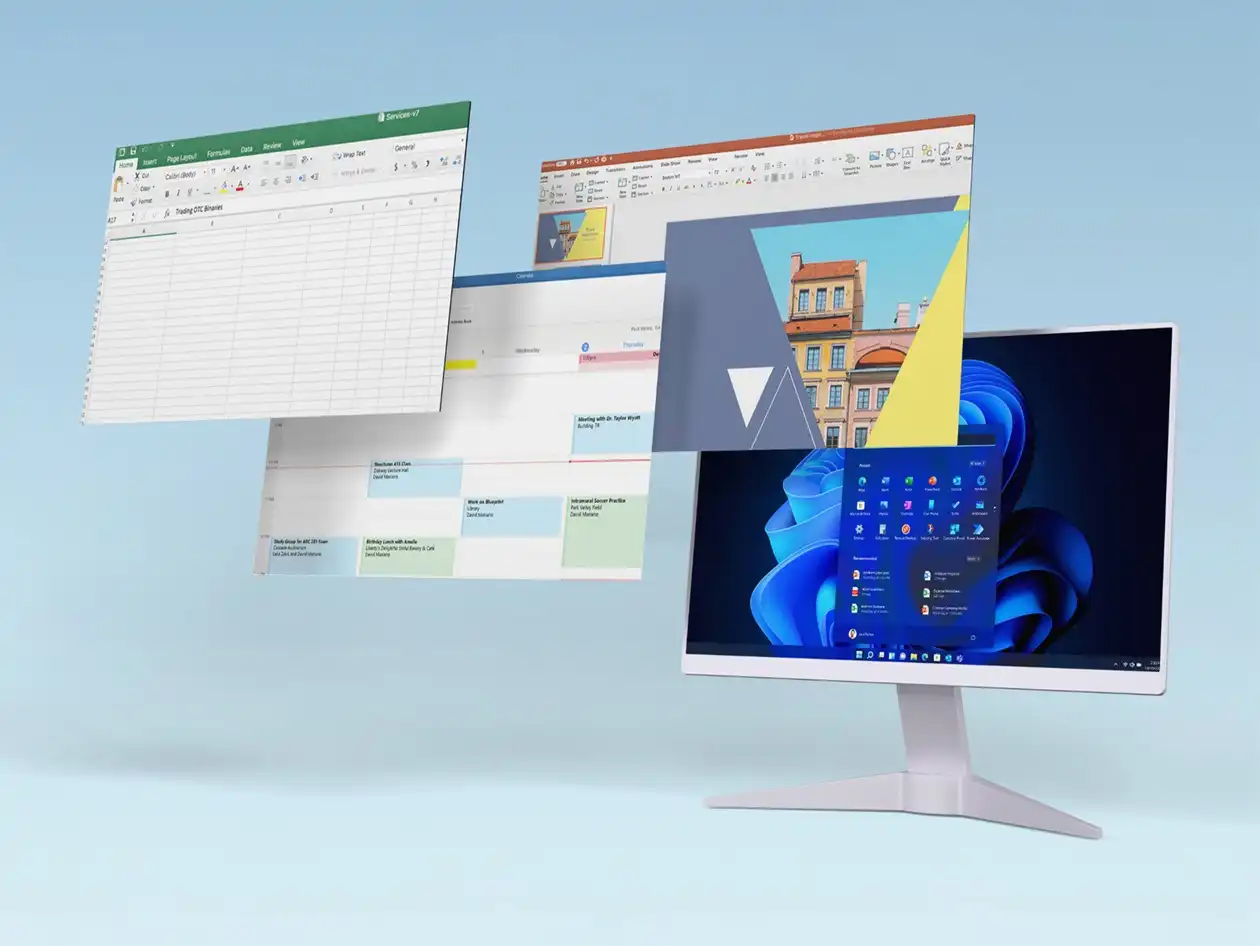
Enterprise buyers are getting a rare glimpse into Microsoft’s evolving approach to software bundling. Starting this month, a single $35 payment unlocks both the full Office Suite—including Word, Excel, PowerPoint, and Outlook—and Windows 11 Pro, a move that blurs the line between productivity tools and operating system licensing.
This isn’t just a pricing tweak; it’s a structural shift with long-term implications for how organizations deploy software. Historically, Office and Windows have been sold separately or bundled in multi-year enterprise agreements (EAs). Now, Microsoft is testing whether consumers—or more likely, IT teams—will prefer a monthly subscription that combines both stacks under one roof.
The new offering includes
- Windows 11 Pro (all features, including BitLocker and Android app support)
- Full Office Suite (Word, Excel, PowerPoint, Outlook, OneNote, Publisher, and Access for PC/Mac/web)
- OneDrive storage (100 GB per user, expandable via add-ons)
Key details stand out. The subscription is month-to-month with no long-term commitment, a departure from Microsoft’s usual enterprise model. It also excludes multi-device licensing, meaning each physical PC requires its own subscription—a potential stumbling block for large-scale deployments.
Why does this matter? For IT departments, the move introduces new variables in cost management and compliance. Windows 11 Pro alone typically costs $200 per license when bought standalone, while Office 365 E3 runs around $42 per user monthly. Combining them at $35 saves money on paper, but the lack of volume discounts and multi-year agreements could offset those savings in practice.
Admins will need to reassess deployment workflows. Since Windows is tied to hardware activation (via digital license), IT teams can’t easily reassign licenses between devices without additional steps. Meanwhile, Office apps are now subject to the same monthly cadence as the OS, meaning updates and renewals must be synchronized—a logistical challenge for large fleets.
Looking ahead, the biggest question is whether this model will expand beyond Windows 11 Pro. If Microsoft succeeds in proving demand for bundled subscriptions, we could see similar offerings for Surface devices or enterprise-grade security suites. For now, IT leaders should treat this as a pilot: test the waters with non-critical deployments and monitor support ticket volumes closely.
Who benefits most? Small businesses or remote teams with fewer than 50 devices may find the simplicity appealing. Larger enterprises will likely stick to traditional EAs unless Microsoft sweetens the deal with volume incentives—a move analysts expect within the next 12 months.