Manufacturers are scaling up production, yet CPU prices continue to climb, leaving buyers in limbo. The tradeoff is stark: more chips on shelves, but still not enough to ease the strain on wallets or timelines.
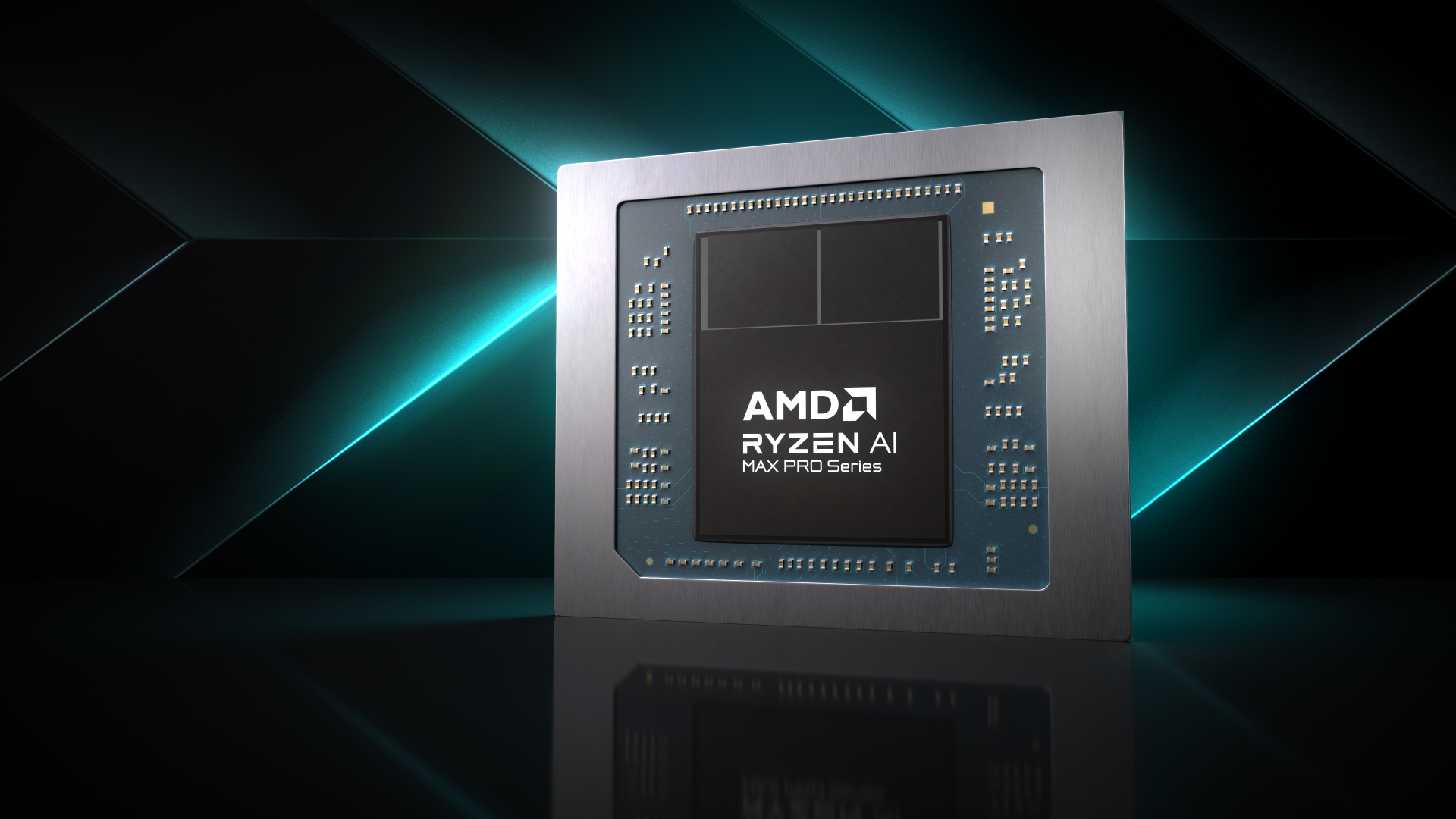
Intel, AMD, and MediaTek have all announced plans to boost output, with some lines now operating at near-capacity. Yet, despite these efforts, the market shows no signs of stabilization. Lead times for high-end processors have ballooned to nearly a year in some cases, forcing creators—whether they’re building PCs or integrating chips into devices—to rethink their strategies.
The question looms: why isn’t increased production translating to lower prices? Industry observers point to a mix of factors, including sustained demand, supply chain bottlenecks, and the complexity of modern chip manufacturing. While manufacturers are working overtime, the gap between supply and demand persists, leaving both consumers and businesses in a precarious position.
For creators, the implications are clear. The cost of entry for high-performance hardware remains prohibitive, even as options expand. This isn’t just about price tags; it’s about the long-term viability of projects that rely on timely access to cutting-edge components. Without relief on either front, the market may continue to operate in a state of uncertainty, where ramp-up efforts feel futile against the tide of inflationary pressures.
What is confirmed is that production lines are humming, but what remains unclear is whether this will translate into tangible benefits for buyers. Until then, the choice between waiting and paying up could define the landscape for months to come.