AMD's latest AI-focused platform is designed to redefine enterprise workstations by merging cutting-edge processing power with practical deployment. The company argues that traditional PC form factors can now handle complex agentic AI tasks—real-time data analysis, generative model training, and autonomous decision-making—without the need for bulky server rooms or specialized infrastructure.
This shift toward mainstream AI PCs comes as enterprises increasingly demand flexibility alongside performance. While dedicated AI servers remain essential for heavy workloads, AMD's platform aims to serve as a bridge for organizations that need agility without sacrificing computational muscle. The balance between power and portability is central to its appeal, offering up to 128 GB of DDR5 memory, PCIe 5.0 support, and a TDP range optimized for efficiency.
But will this platform become the new enterprise standard, or is it an incremental upgrade rather than a revolution? Early indicators suggest strong potential, particularly for companies transitioning from legacy systems. If adoption follows current trends, agentic AI PCs could reshape how businesses approach workflows—making them more responsive to real-time demands while maintaining compatibility with existing software stacks.
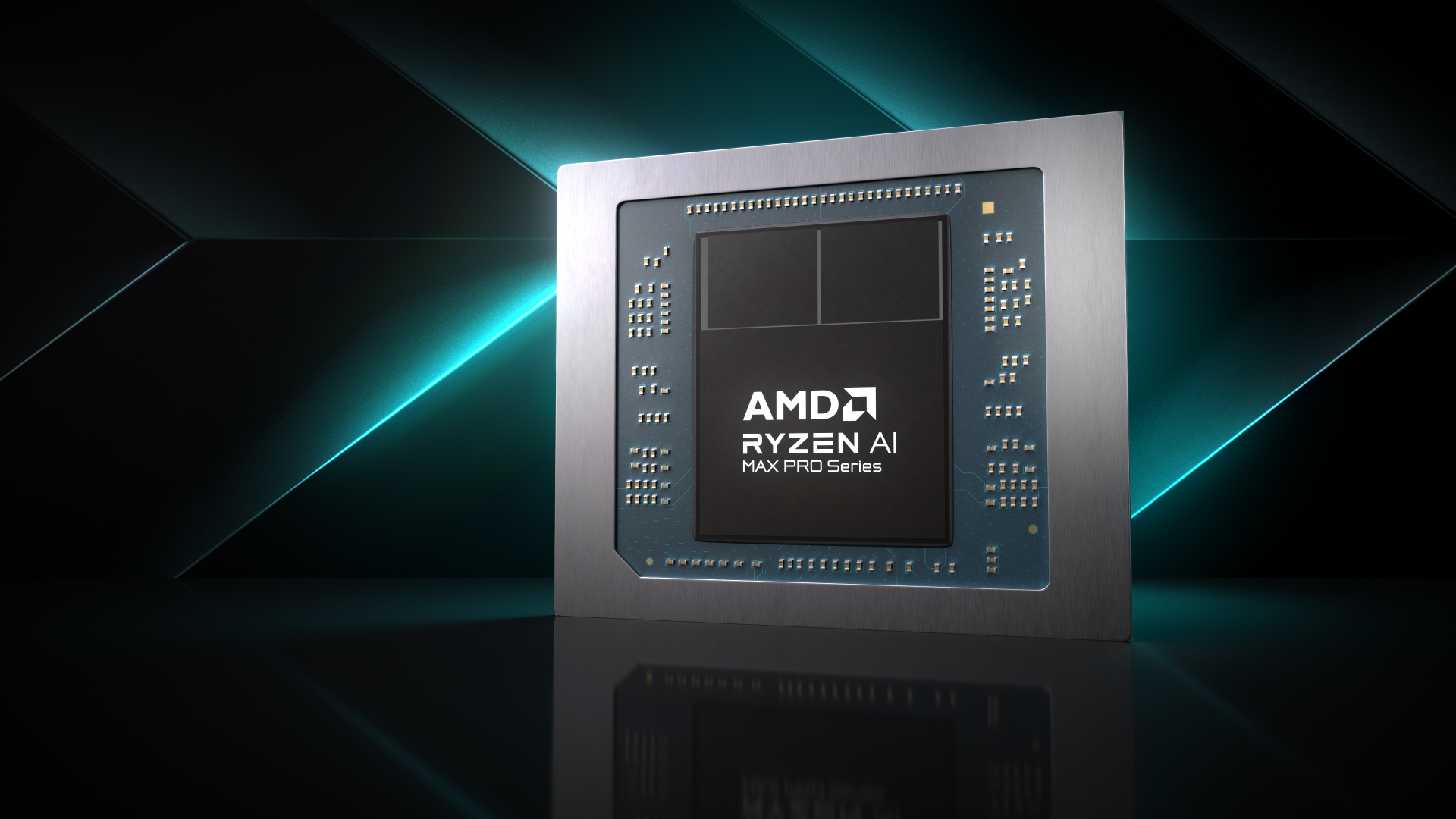
Key specifications underscore AMD's focus on performance without compromise
- Up to 128 GB DDR5 memory for intensive workloads
- PCIe 5.0 interface for faster data transfer
- A TDP range that balances power efficiency with high-end capabilities
The platform targets tasks like real-time analytics, generative AI training, and collaborative agentic systems—all while keeping deployment straightforward. Whether it replaces dedicated servers or coexist with them remains an open question, but its versatility could redefine what enterprises expect from their workstations.
For now, AMD is betting that the future of enterprise computing lies in machines that adapt seamlessly to AI demands without abandoning the practicality of traditional PCs. If successful, this approach could accelerate the shift toward agentic AI as a mainstream rather than niche capability—though skepticism lingers about whether it can fully replace specialized hardware for the most demanding applications.