The landscape for high-performance PC building has undergone a fundamental shift, moving beyond traditional benchmarks to focus on how components perform under sustained workloads. Thermal behavior, power efficiency, and multi-tasking interactions are now just as important as raw speed, reshaping how builders approach system design.
Redefining Performance Metrics
Gone are the days when raw power was the sole measure of a component's worth. Today’s PC builders must consider how processors and storage solutions behave under prolonged use, balancing thermal output with performance stability. For example, a processor with 16 cores but only 8 threads might seem counterintuitive at first glance, yet its ability to dynamically allocate resources ensures smooth operation during complex tasks like rendering or data processing.
Storage Solutions Evolve
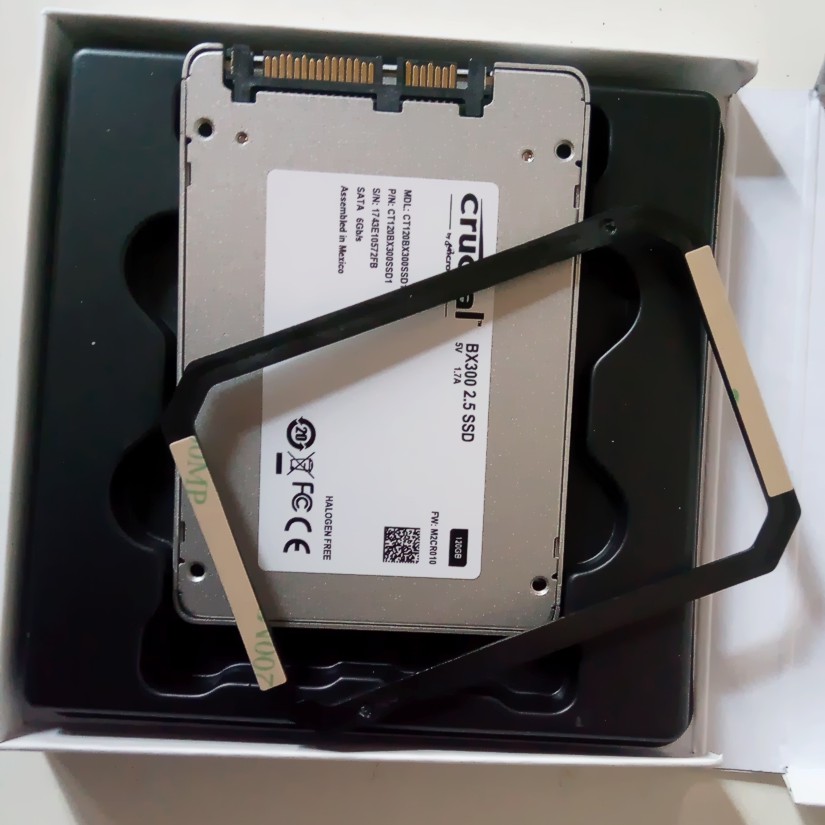
- New SSDs now offer adaptive tiering, automatically moving frequently accessed files to faster NAND without manual intervention. This reduces latency in workflows involving large datasets, making it a game-changer for professionals juggling multiple projects.
- However, this adaptability introduces complexity, as users must weigh the benefits of dynamic performance against the simplicity of traditional storage solutions.
Why Efficiency Matters Now
The push toward efficiency is not just about performance—it’s also about power consumption. As data centers and home setups face tighter power constraints, components that optimize resource usage without sacrificing speed will dominate the market. This shift could lead to systems that are both faster and more energy-efficient.
Looking Ahead
The future of PC building lies in balancing immediate needs with long-term scalability. Builders who understand how hybrid architectures perform under real workloads and how adaptive storage solutions integrate into their workflows will be best positioned to leverage these advancements without sacrificing flexibility.