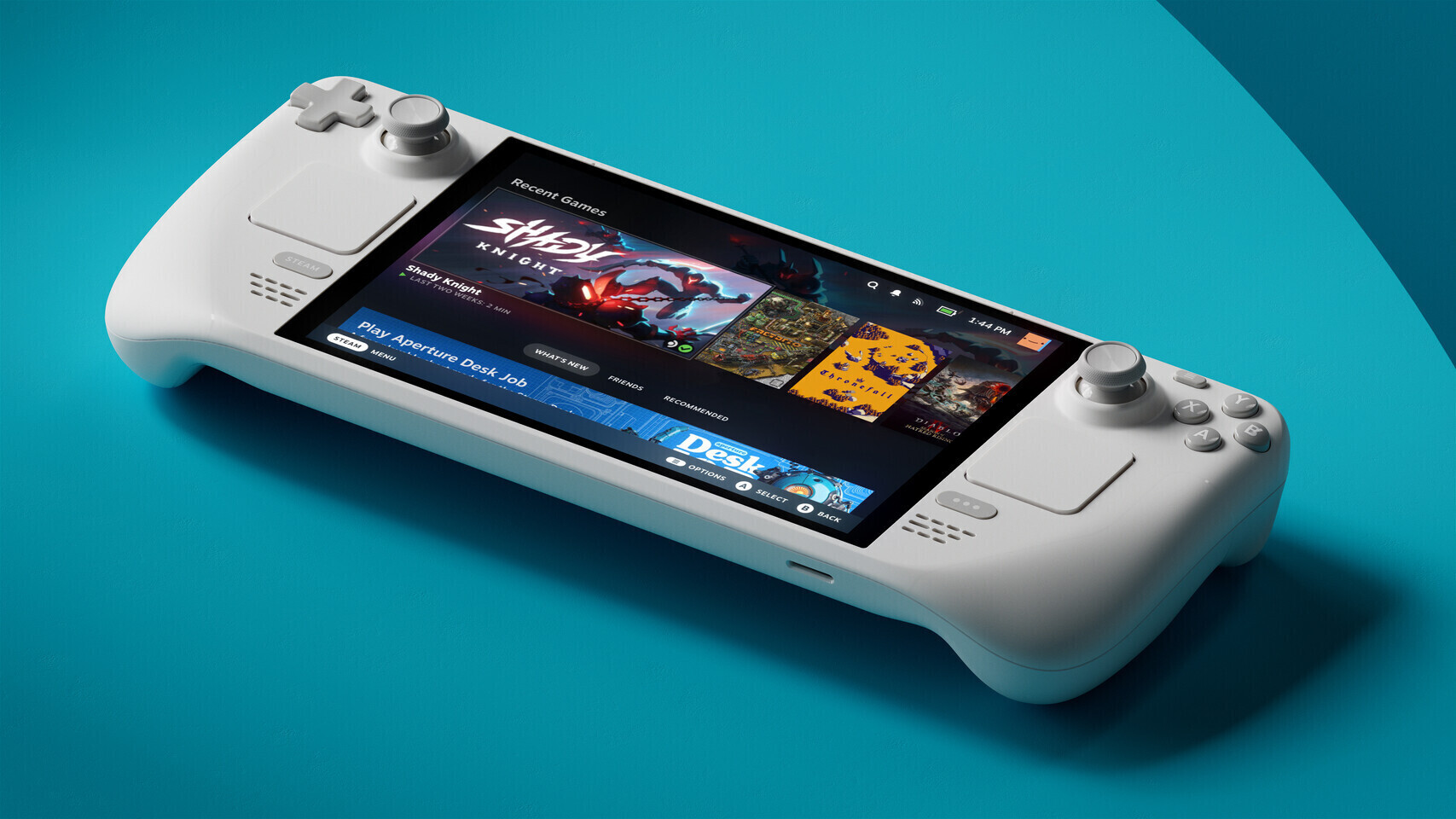
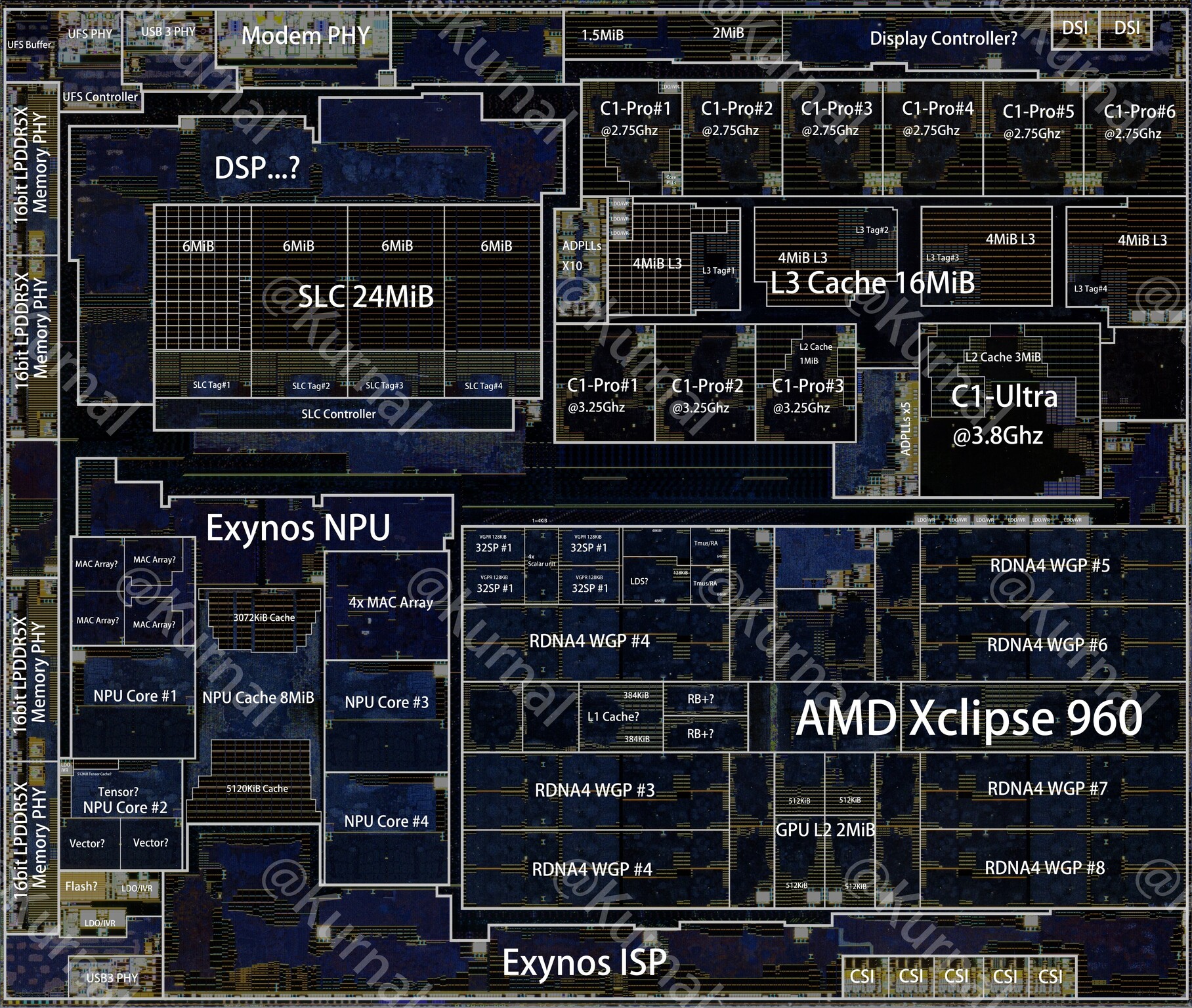
Intel is stepping into the handheld gaming market with its latest Arc G3 chips, which promise to push the boundaries of what’s possible in portable devices. Unlike traditional chips that balance power and efficiency, these new components are built from the ground up for gaming workloads—something that could reshape how handhelds handle both battery life and performance.
The new chips, codenamed 'Extreme G3,' feature a range of configurations, including models with up to 14 CPU cores and a 12-core GPU. This is a notable shift from Intel’s previous offerings, which often prioritized versatility over raw power in handheld form factors. The focus here is clear: these chips are meant to compete directly with the likes of AMD’s Ryzen-based handhelds, but with Intel’s own architecture and optimizations.
Key Specifications
- CPU Cores: Up to 14 cores (configuration-dependent)
- GPU Cores: 12-core Xe3 GPU (based on Intel’s Arc architecture)
- Memory Support: Up to 16GB LPDDR5X
- Storage Options: Up to 1TB NVMe SSD
- Power Efficiency: Designed for extended battery life without sacrificing performance
The specs alone are impressive, but the real question is how these chips will perform in practice. Handheld gaming is a niche market where thermal throttling and power consumption can be just as critical as raw performance. Intel claims to have addressed these challenges with its new design, but whether it can deliver on that promise remains to be seen.
Who Should Care?
This isn’t just another chip announcement—it’s a strategic move by Intel to stake its claim in the handheld gaming ecosystem. For developers and manufacturers, this could mean access to a more powerful platform for next-gen handhelds, potentially unlocking new possibilities in game design and portability. However, the success of these chips will depend on more than just specs; it will hinge on how well Intel can balance performance with real-world usability.
For consumers, the impact might not be immediate. Handheld gaming devices are still a small segment of the market compared to traditional laptops or consoles, but this could change if Intel’s chips prove to be a game-changer in terms of battery life and thermal management. If so, we might see a wave of new handhelds hitting the market in the coming years—devices that push the limits of what’s possible in portable gaming.
One thing is certain: this isn’t just about raw numbers. It’s about redefining what handheld gaming can be, and whether Intel can deliver on its promises without leaving too many unanswered questions along the way.