Power users gearing up for another deep dive into Geralt’s world will have to wait longer than expected.
The Witcher 3: Songs of the Past has officially slipped its original timeline, with CD Projekt Red now targeting a 2027 release. The delay doesn’t come as a surprise, given the studio’s reputation for meticulous development and the sheer scale of its previous titles. But what does this mean for pricing, supply, and availability? And how will it stack up against Blood and Wine in terms of ambition?
First, the delay itself. While no exact reason has been given, industry insiders suggest that CD Projekt Red is taking a methodical approach to ensure the game lives up to its predecessors. This isn’t just another expansion; it’s being positioned as a full-fledged experience, one that could rival Blood and Wine in scope and depth.
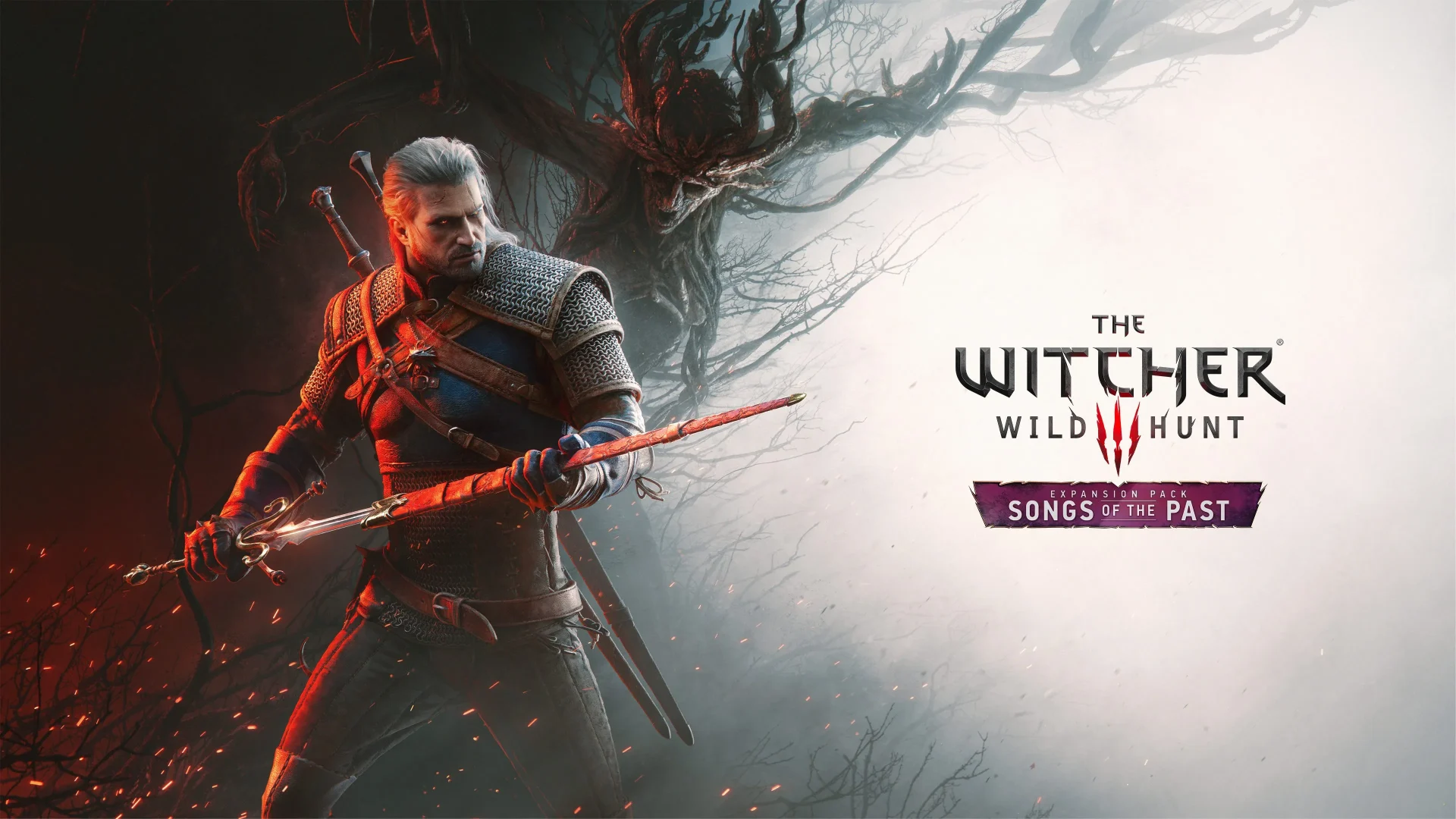
What we do know so far is that Songs of the Past will expand on the lore and world-building established by The Witcher 3: Wild Hunt. Expect more intricate storytelling, richer environments, and gameplay mechanics that push the boundaries of what’s possible in an open-world RPG. But the question remains: will this translate into a premium price tag? Given the studio’s track record, it’s safe to assume yes.
Supply and availability are another wildcard. CD Projekt Red has a history of managing demand well, but with the hype already building, there’s a risk of shortages at launch. The studio is likely preparing for this, but power users should be ready to act fast if they want to get their hands on it.
For now, all eyes are on 2027. If CD Projekt Red sticks to its usual pace, Songs of the Past could be one of the most anticipated games in years. But whether it’ll deliver on that promise remains to be seen.