The promise of smoother frame rates in Helldivers 2 has finally materialized with the rollout of NVIDIA DLSS and AMD FSR, but the implementation carries hidden costs that players are still learning to navigate. Where performance gains were once a distant hope, they now arrive with a mix of benefits and frustrations, reshaping expectations for the title's future on supported hardware.
DLSS 3 arrives first, integrating into the game's rendering pipeline with support for both frame generation and resolution scaling. AMD FSR follows shortly after, offering an alternative path for those without NVIDIA GPUs. The move reflects a broader industry shift toward real-time upscaling as a standard feature in modern shooters, yet Helldivers 2's approach stands out for its aggressive optimization—one that prioritizes visual fidelity over raw performance in some cases.
On paper, the update delivers tangible improvements: DLSS 3 can boost frame rates by up to 1.5x on supported GPUs, while FSR provides a comparable lift, though with noticeably softer image quality. The catch lies in how these features interact with the game's existing rendering settings. Players report that enabling upscaling often requires disabling other graphical enhancements, such as motion blur or post-processing effects, to maintain stability. This forces a trade-off that wasn't clearly communicated beforehand.
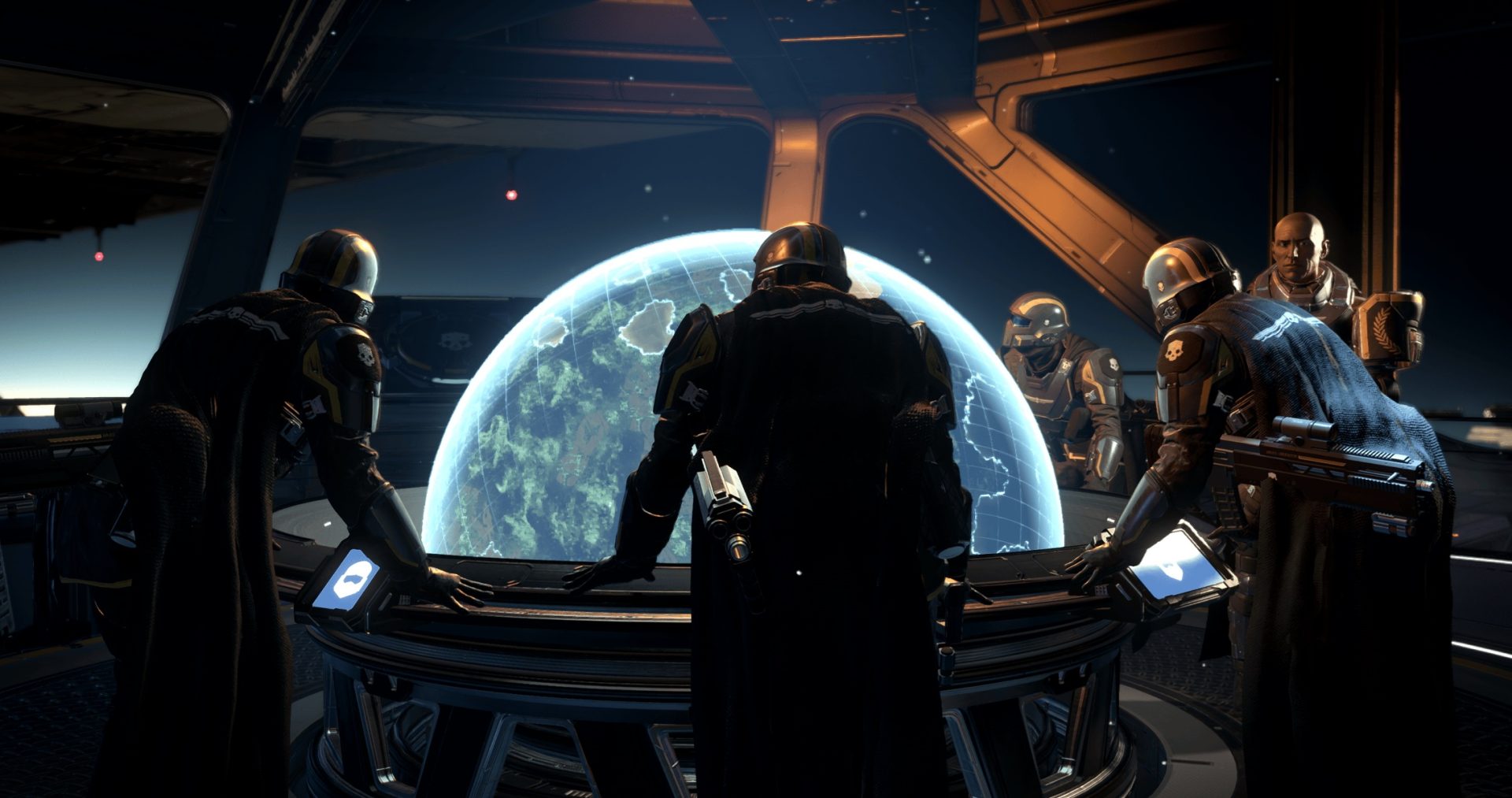
For everyday players, the change is immediate and noticeable. A match that previously struggled to sustain 60 frames on high-end hardware now hits that target more consistently—but at the cost of slightly muted textures or occasional visual artifacts near fast-moving objects. The experience isn't as seamless as competitors like Call of Duty, where upscaling is often a behind-the-scenes tweak rather than a setting that demands manual adjustment.
The update also introduces new compatibility quirks. Some users find that FSR, in particular, struggles with certain HDR scenarios or dynamic lighting conditions, leading to banding or flickering. NVIDIA's DLSS 3, while more stable, requires specific GPU models (Ada Lovelace or newer) to unlock its full potential, leaving older cards at a disadvantage. This means players upgrading hardware may see better results than those relying on mid-range GPUs from previous generations.
Looking ahead, the arrival of DLSS and FSR signals Helldivers 2's intent to evolve alongside modern rendering techniques. Whether this shift will smooth out rough edges or introduce new ones remains an open question. For now, the update confirms one thing: performance is no longer a secondary concern for this title, but it also reminds players that progress in gaming often comes with conditions.