The gaming industry has seen many milestones, but few as immediate or impactful as the debut of a next-generation platform that surpassed 1.5 million sales in just 24 hours. This isn’t just about raw numbers; it’s about redefining what gamers expect from hardware, pushing boundaries in speed, efficiency, and adaptability.
For power users, this release represents more than an upgrade—it’s a leap forward in workload management. The platform’s architecture is designed to handle the most demanding tasks with precision, whether rendering high-resolution textures or processing complex simulations. That’s the upside: here’s the catch—demanding those capabilities comes at a cost, both financially and in terms of system compatibility.
Where It Fits
The platform is deeply integrated into an established ecosystem, offering seamless performance across a range of devices. Supported configurations include
- High-end desktops with specific chipset requirements.
- Laptops optimized for both portability and power.
- Mobile devices that leverage the same underlying architecture but with tailored optimizations.
This broad compatibility ensures that whether you’re a desktop enthusiast or a mobile gamer, there’s a version tailored to your needs. However, not all users will see immediate benefits—those running older hardware may find themselves on the outside looking in unless they’re willing to invest in significant upgrades.
Technical Specifications
The platform introduces several key advancements over its predecessor

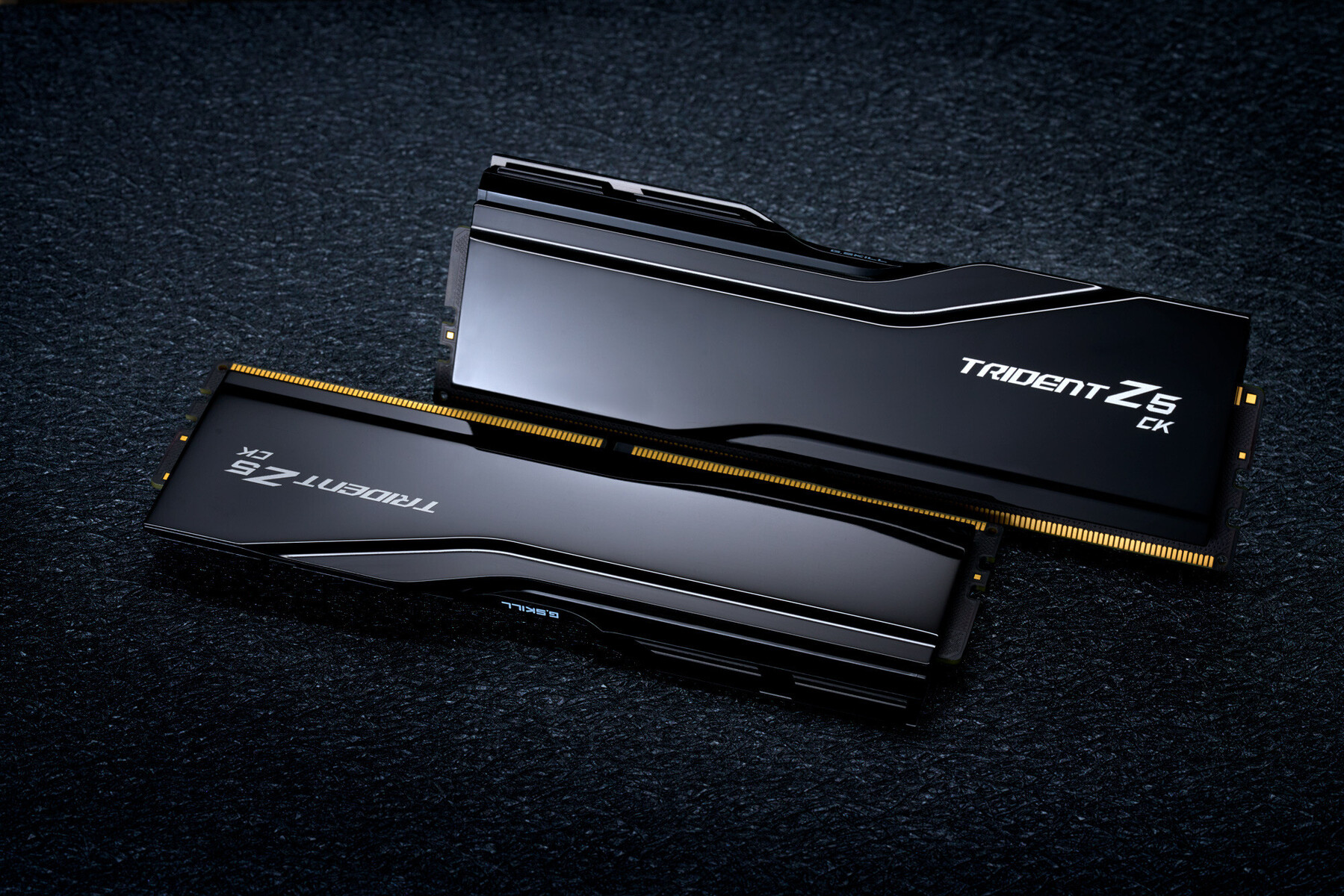
- Increased memory bandwidth, with support for up to 16 GB of high-speed RAM.
- A new processing unit that delivers up to 30% faster single-thread performance and 50% more efficient multi-core workloads.
- Enhanced storage solutions, including support for NVMe SSDs with capacities up to 4 TB.
The platform’s clock speeds are also noteworthy, with a base frequency of 2.8 GHz and a turbo boost that can reach 5.0 GHz under load. These improvements translate directly into smoother gameplay, faster application launches, and improved multitasking capabilities.
Who Benefits?
The primary audience for this platform is clear: power users who demand the best performance from their hardware. Gamers, content creators, and professionals working with computationally intensive tasks will see the most significant gains. However, everyday users may find that the incremental improvements over previous generations don’t justify the price point.
For those already invested in the ecosystem, upgrading makes sense if they’re looking to future-proof their setup or tackle more demanding workloads. But for casual users, the question becomes one of necessity versus desire—is this an upgrade worth making, or is it better to wait and see how the platform evolves over time?
Looking ahead, the platform’s success hinges on its ability to maintain momentum in a competitive market. With competitors closing the gap rapidly, timing will be everything for those considering an investment. Availability is expected to remain strong, but pricing may shift as demand stabilizes.