Google’s latest Tensor G6 chip, set for the Pixel 11, is a step backward in performance that could leave the device trailing behind rivals like Samsung and Apple.
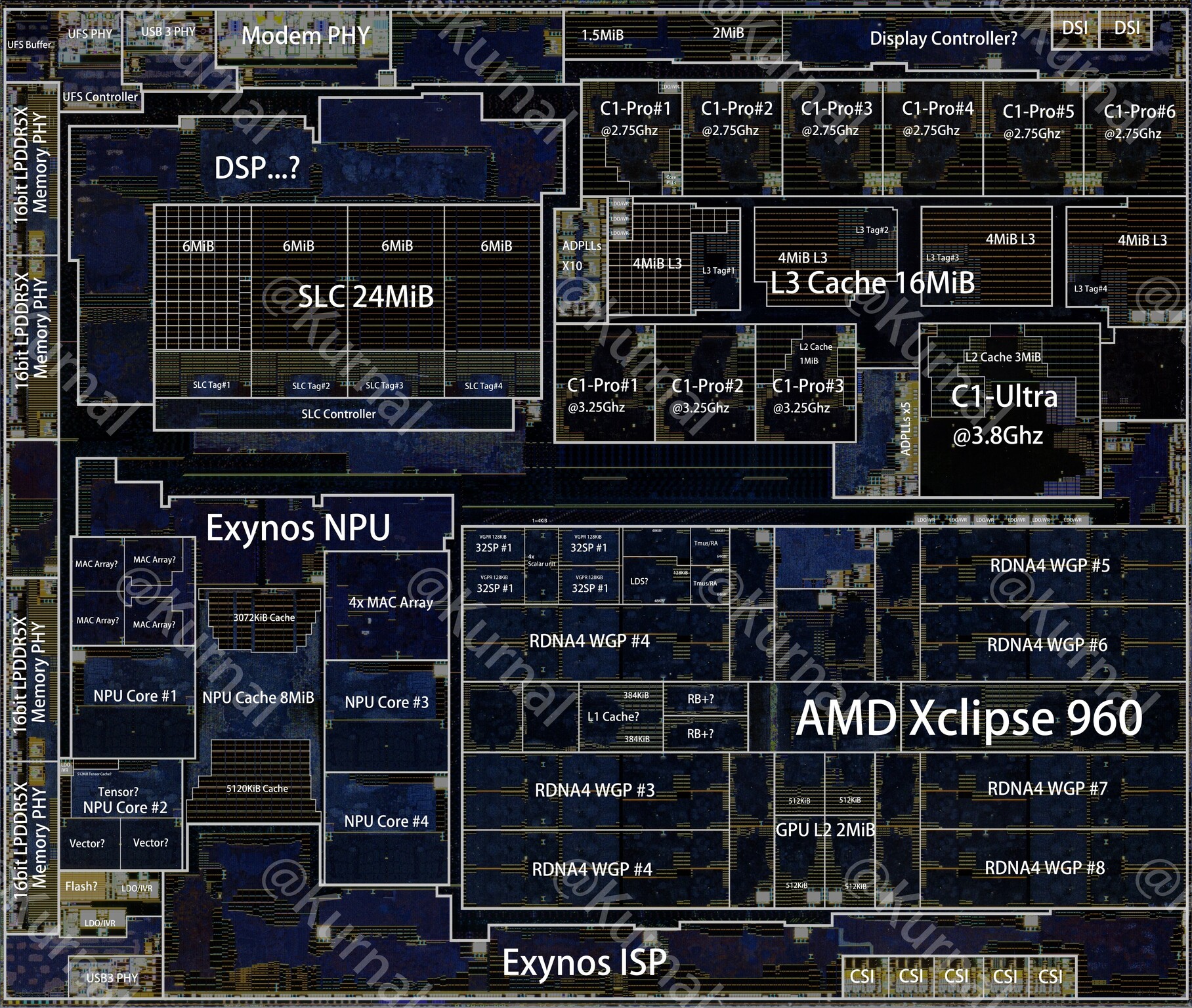
The Tensor G6 runs at just 2.85 GHz with four Cortex-A715 cores and four Cortex-A510 cores, compared to the Tensor G2’s 3.4 GHz clock speed and more efficient architecture. This shift is notable because it marks Google’s first move away from a single-core performance boost in its mobile chip design, opting instead for a more balanced but slower configuration.
What this change means for users is less raw power when demanding tasks like gaming or heavy photo editing are performed. Benchmark leaks suggest the Tensor G6 will sit at around 1,200 points on Geekbench’s single-core test and roughly 3,500 on multi-core, placing it below mid-range competition from Samsung and Apple. This is a stark contrast to the Tensor G2, which scored over 1,400 in single-core and nearly 4,000 in multi-core tests.
Google’s decision to scale back performance could also impact battery life, as slower cores typically consume less power. However, the trade-off is clear: while efficiency may improve slightly, the lack of high-end performance could make the Pixel 11 a less compelling choice for users who prioritize speed and responsiveness.
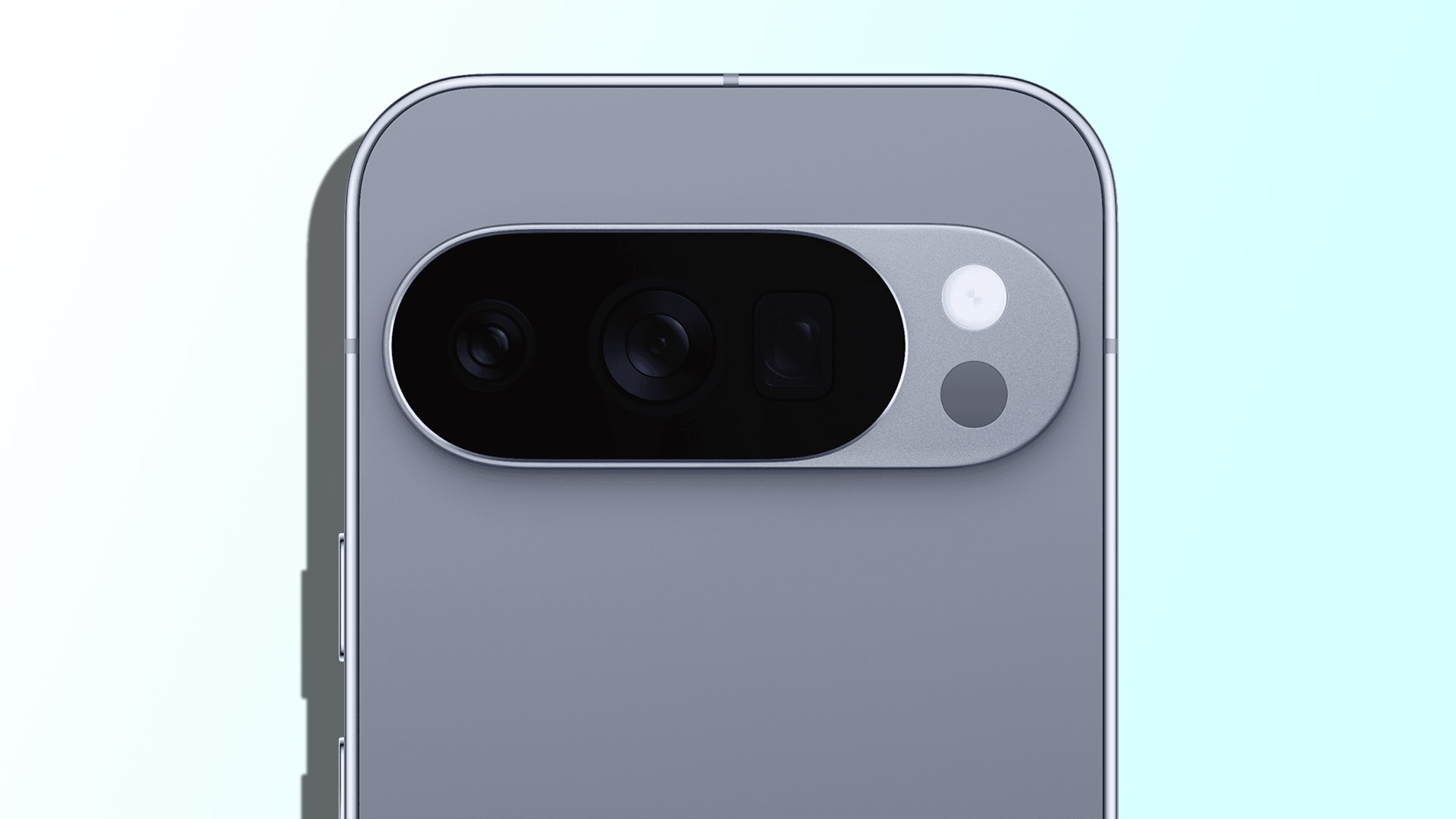
The Tensor G6’s underwhelming specs come at a time when U.S. consumers are increasingly demanding more powerful hardware from their smartphones. Samsung and Apple have already set the bar higher with their latest chips, leaving Google in a position where it may struggle to keep up without significant innovation in software optimization.
For creators and power users, this shift could mean longer rendering times for high-resolution content or slower performance in resource-intensive apps. While Google has always leaned on its AI features and software ecosystem as differentiators, the hardware limitations of the Tensor G6 may force the company to double down on those advantages to remain competitive.
The Pixel 11’s launch will be closely watched, not just for its technical capabilities but for how Google responds to this performance gap. If the device fails to meet user expectations, it could further erode Google’s market share in a segment where hardware prowess is increasingly becoming a deciding factor.