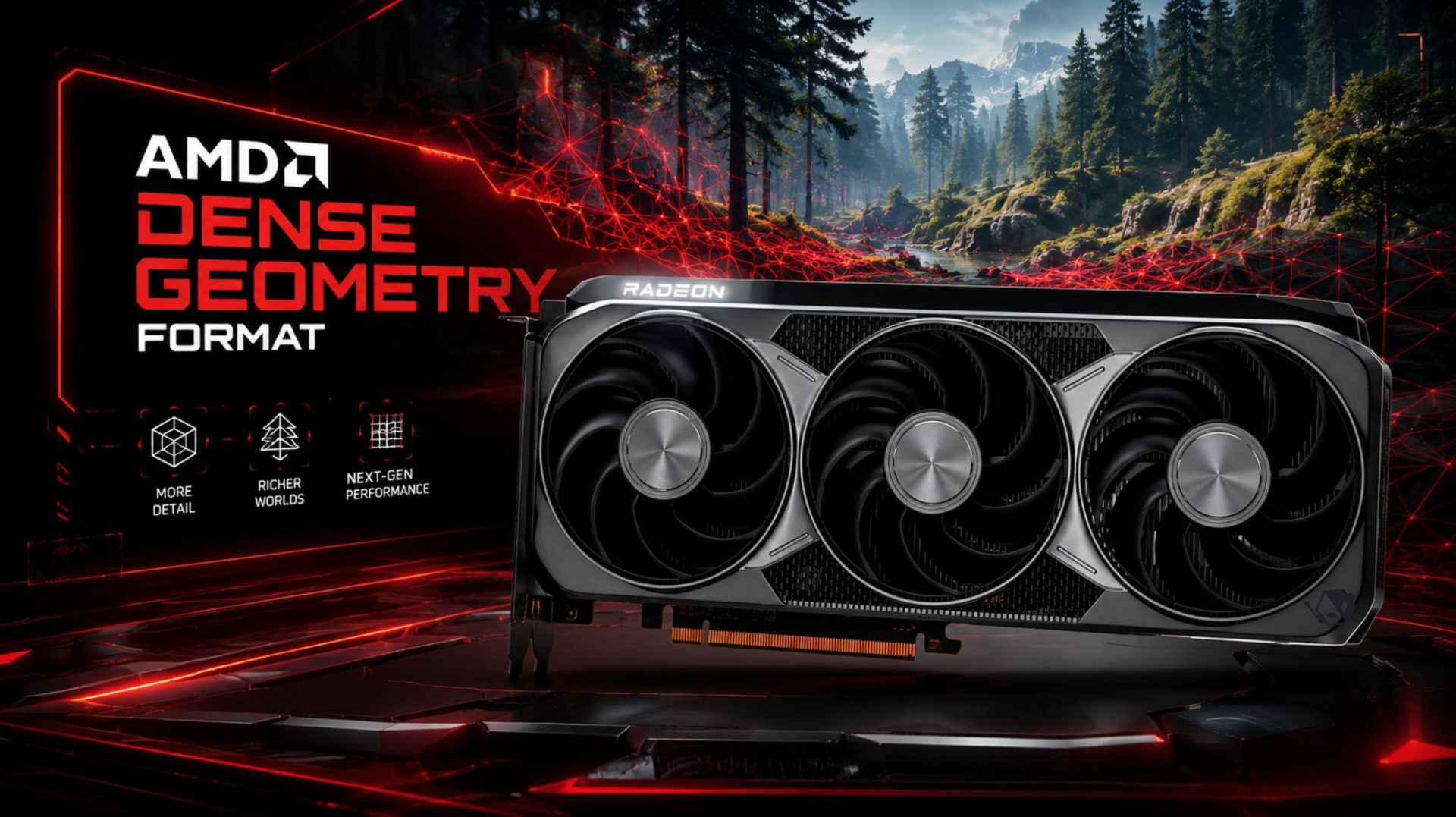
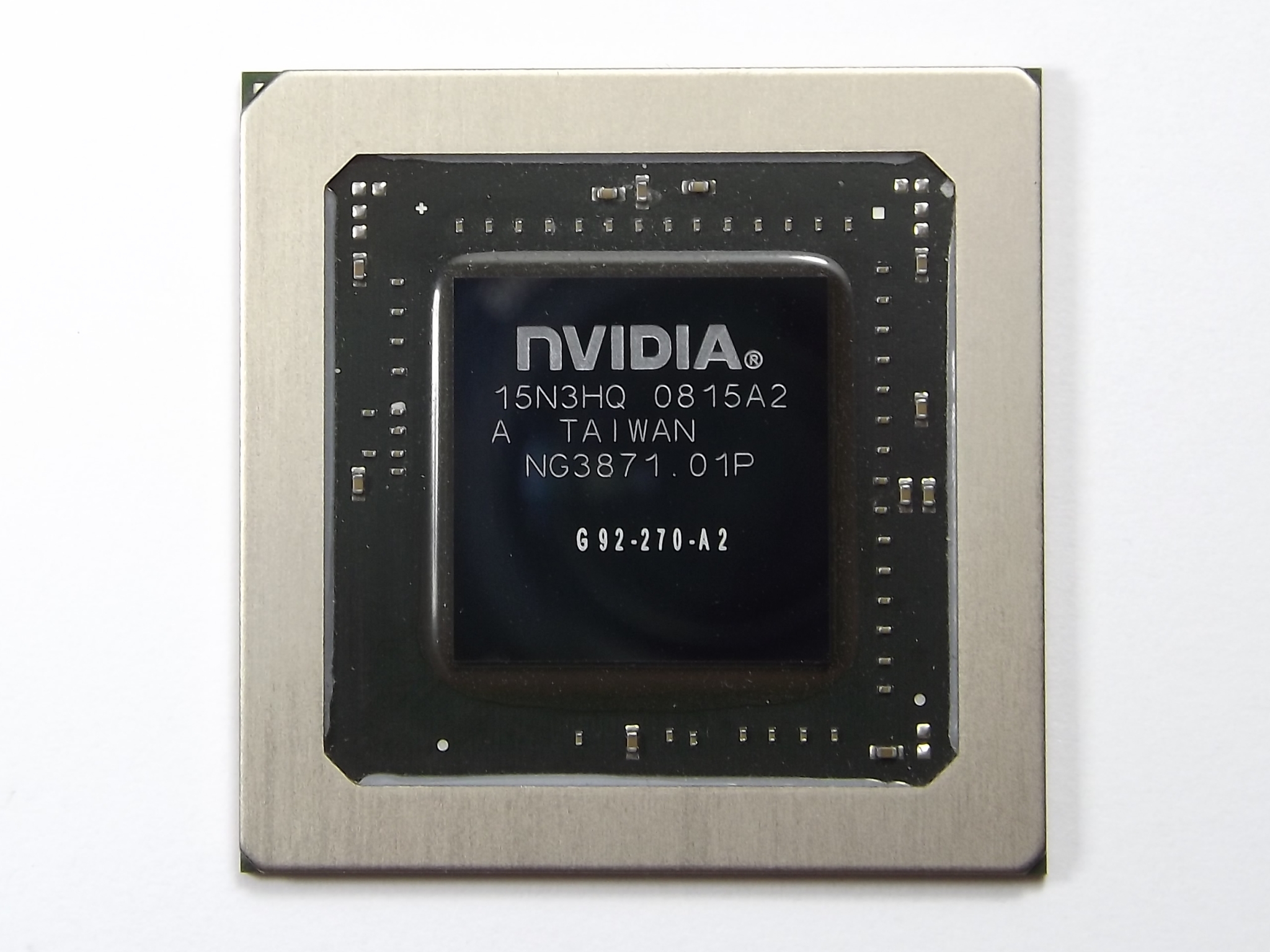
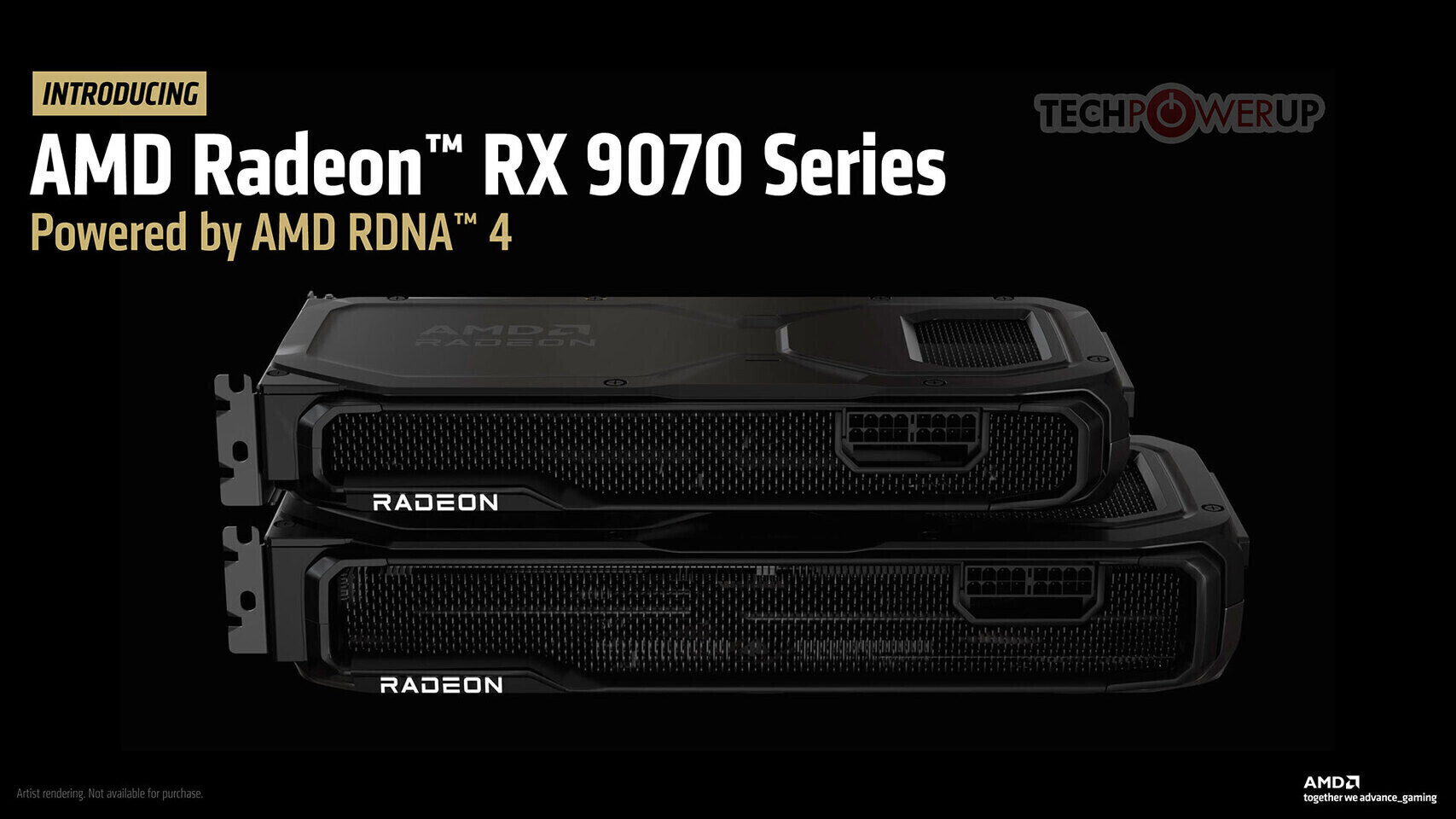
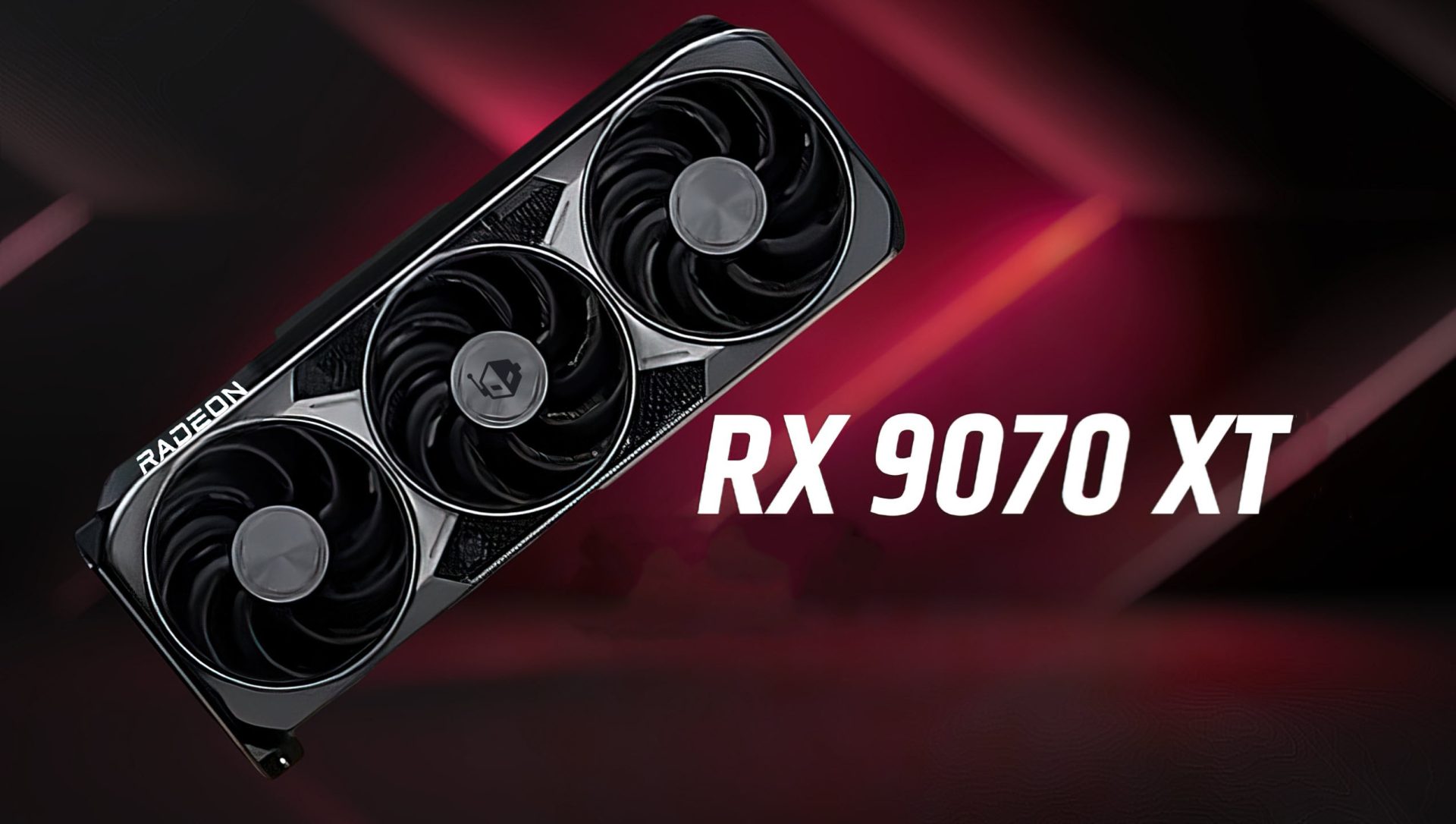
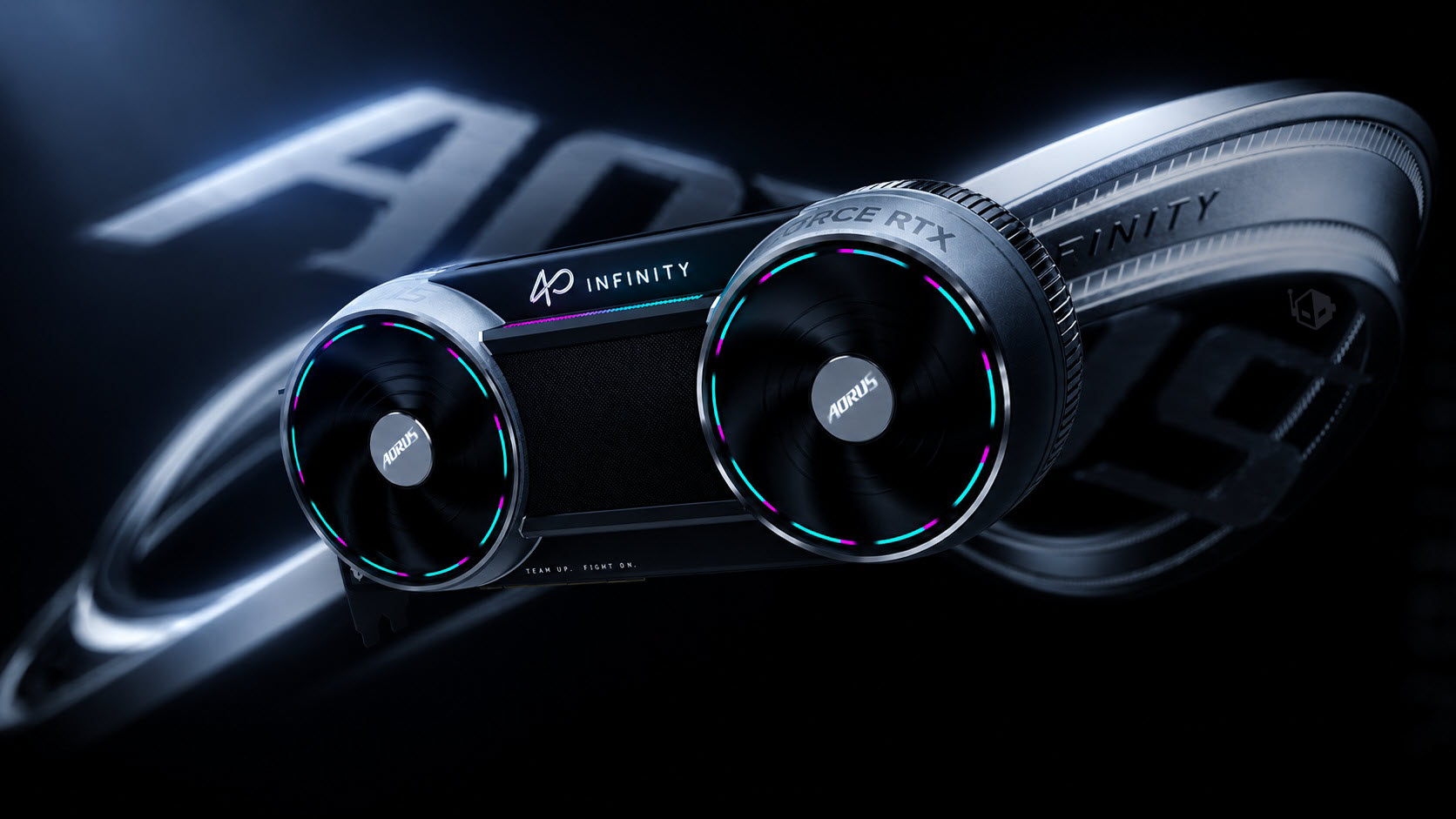
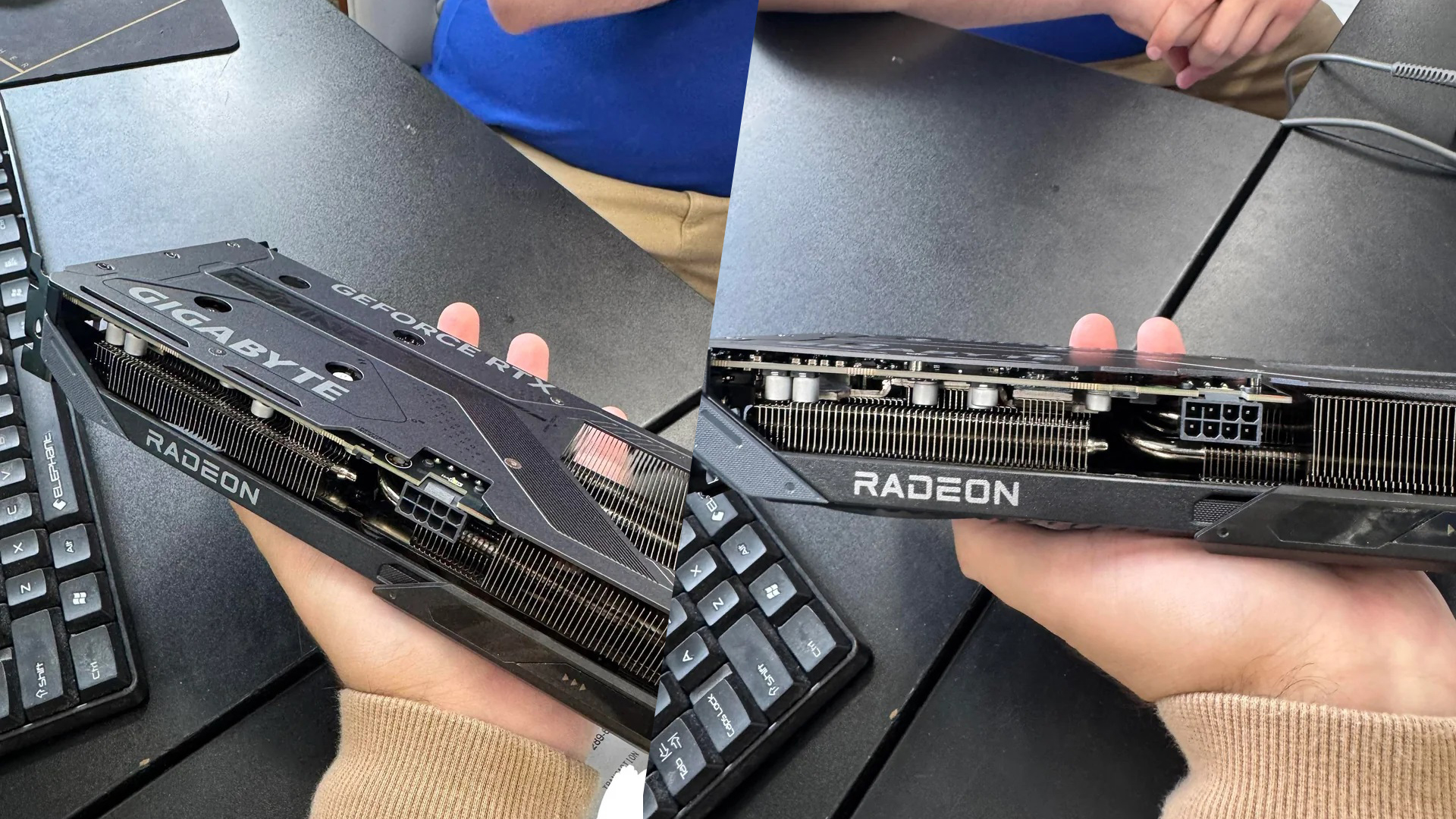
A Gigabyte graphics card labeled as an RTX 5060 Ti has been found with AMD branding, casting doubt on whether the unit was mislabeled during production or if it represents a broader shift in platform compatibility. The discovery adds another layer to the already tangled supply chain for high-end GPUs, leaving creators and enthusiasts to question the reliability of hardware sourcing.
The card in question appears to be an RTX 5060 Ti, a mid-range offering from NVIDIA’s latest Ada Lovelace architecture. However, the presence of AMD branding—typically associated with Radeon GPUs—suggests that either Gigabyte or its manufacturing partner made an error during assembly. This is not the first time such mix-ups have occurred, but it does raise concerns about the precision and oversight in GPU production, particularly for cards targeting creators who rely on consistent performance and compatibility.
Key Specifications
- Model: RTX 5060 Ti (with AMD branding)
- Architecture: NVIDIA Ada Lovelace (expected, though confirmed only via NVIDIA branding)
- CUDA Cores: 4,352
- Memory: 16 GB GDDR6X
- Clock Speeds: Base: 2.0 GHz, Boost: 2.7 GHz (varies by vendor)
- Bus Interface: PCIe 4.0 x16
- Display Outputs: 3x DisplayPort 2.1, 1x HDMI 2.1
- TDP: 225W (typical for this segment)
The specs align with what NVIDIA has previously outlined for the RTX 5060 Ti, including its 16 GB of GDDR6X memory and support for PCIe 4.0. However, the AMD branding is unexpected, as Radeon GPUs typically fall under AMD’s RDNA or CDNA architectures. This discrepancy could indicate a manufacturing overlap, where multiple brands share production lines without strict visual differentiation.
Implications for Creators
For creators, this incident underscores the need to verify hardware branding before purchasing, especially in a market where supply chain bottlenecks have led to inconsistencies. While NVIDIA and AMD both offer powerful GPUs for rendering and AI workloads, the potential for misbranding could introduce complications when drivers or software are updated. Creators relying on specific platform features—such as NVIDIA’s AI acceleration or AMD’s FSR upscaling—may find themselves in a limbo if hardware is not properly labeled.
The RTX 5060 Ti, when correctly branded, is positioned as an entry to mid-range card for content creation, offering DLSS 3 support and improved efficiency over its predecessors. However, the presence of AMD branding suggests that Gigabyte may have inadvertently shipped a card intended for another platform, or that the supply chain has become so convoluted that even high-end GPUs are being repackaged without proper oversight.
Availability for the RTX 5060 Ti is still unconfirmed, but if this incident is an isolated case, it may not significantly impact broader adoption. Creators should remain vigilant when sourcing hardware, ensuring that branding matches their intended use case to avoid potential compatibility issues down the line.