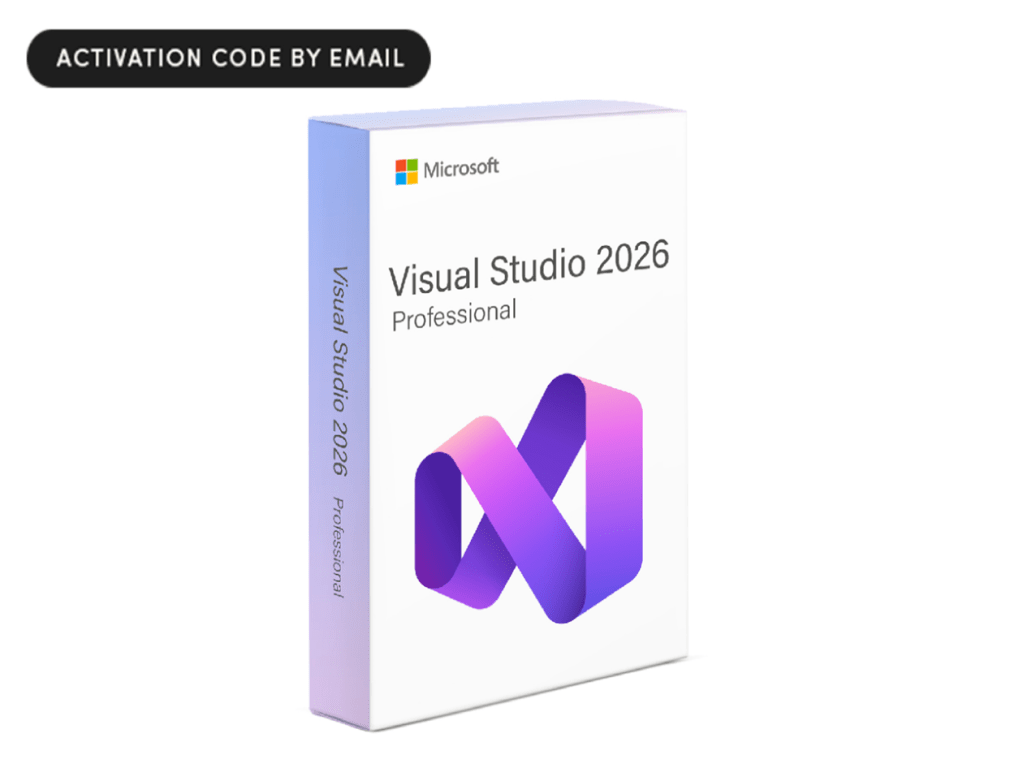
Enterprises can now purchase Visual Studio Professional for a flat $34.99 per user—less than half the previous minimum cost and the most significant permanent discount in Microsoft's two-decade history for this development tier.
The price reduction applies universally, whether purchasing perpetual licenses or subscribing annually. Previously, one-time buyers faced a $599 minimum per user, while annual subscriptions required $1,199 per seat. The new structure eliminates that financial barrier but maintains the same feature set and platform constraints, including tighter integration with Azure and Windows services.
- Perpetual licenses now cost $34.99 but require re-licensing at major version updates, potentially increasing long-term expenses if Microsoft maintains its current rapid release cycle.
- Subscription pricing remains below the previous entry point but still enforces annual commitments with no option to downgrade without losing access to current versions.
- The Enterprise edition, which includes advanced debugging and collaboration tools, retains its original price structure and is unaffected by the discount.
The shift could disrupt third-party licensing markets where Visual Studio was often resold at premiums. Teams that previously leased through vendors may now opt for one-time purchases, though future upgrades will carry full price tags—unlike subscription models, where costs are amortized over time. For organizations already invested in Microsoft's ecosystem, the discount could accelerate adoption without additional overhead, but those relying on cross-platform tooling or open-source workflows face no comparable savings.
Microsoft's strategy appears designed to position Visual Studio as a more accessible alternative to competitors like JetBrains, which offers bundled tooling at higher price points. However, the move also raises questions about whether the discount will sustain long-term value perception. If successful, other IDE vendors may respond with competitive pricing rounds, forcing teams to weigh not just cost but ecosystem lock-in and feature parity.
For now, budget-conscious development shops stand to benefit—provided they accept Microsoft's platform as their primary environment. The $35 cap could rebalance enterprise IT budgets, but the trade-off remains clear: deeper integration with Microsoft services comes at the cost of flexibility for teams that prioritize open standards and cross-platform compatibility.