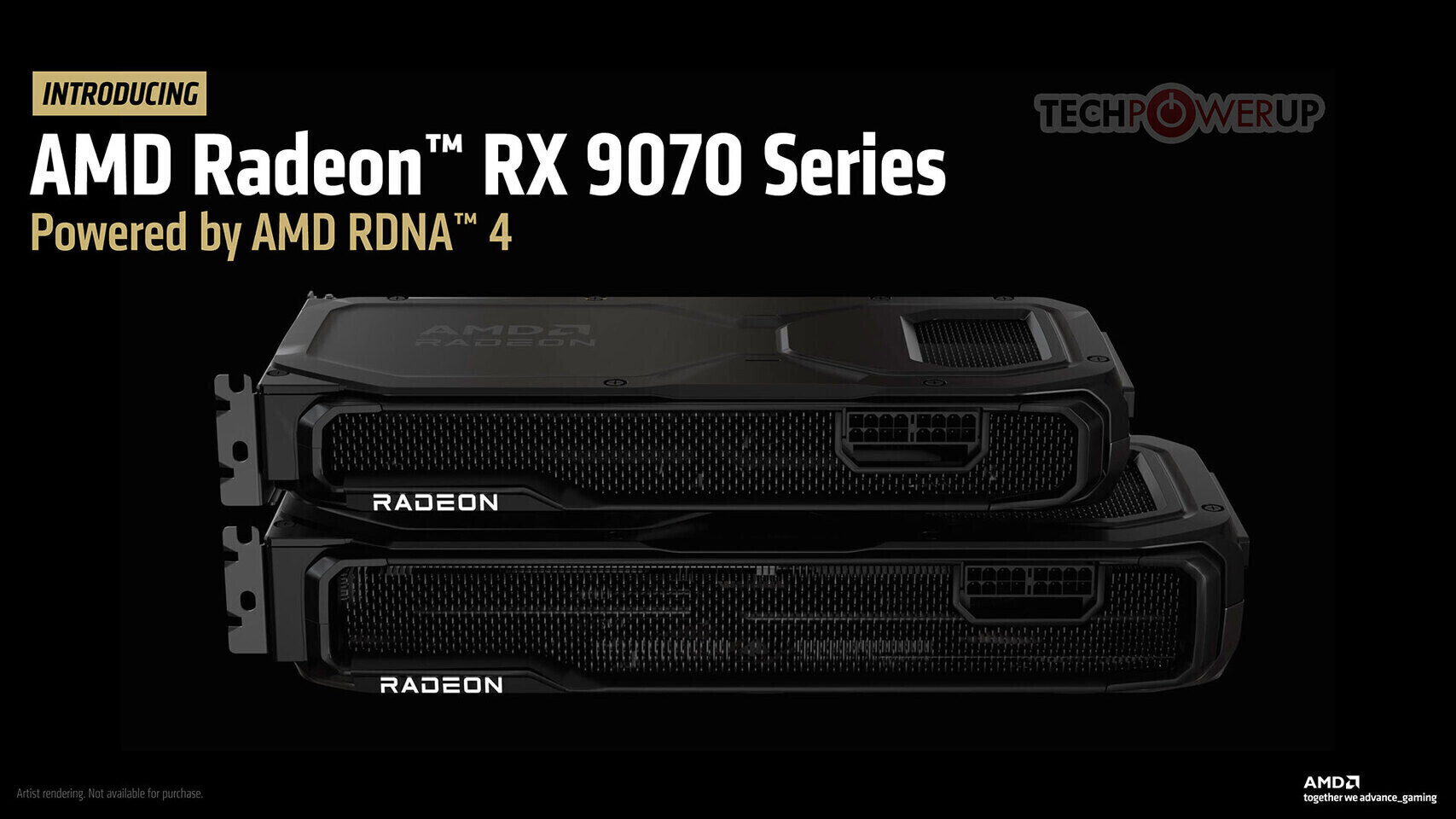
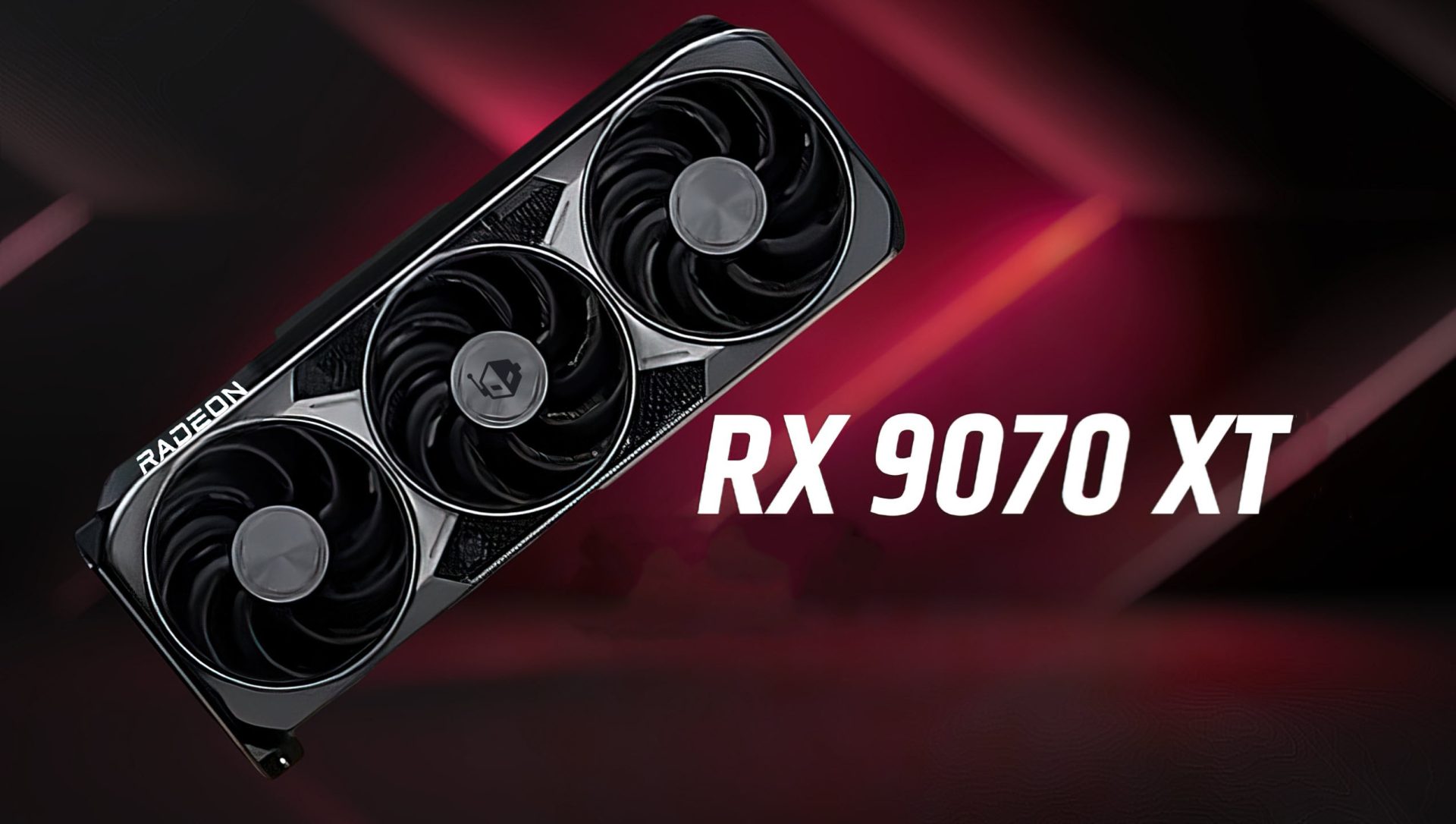
China’s GPU market is undergoing a quiet correction, with AMD’s Radeon RX 9070 XT and RX 7650 GRE cards now selling below their official suggested retail prices (MSRP). The shift mirrors a pattern seen in other segments, where inflated pricing has met resistance from price-sensitive buyers. This isn’t just about discounts—it signals deeper tensions between manufacturer expectations and real-world demand.
AMD’s Radeon RX 9070 XT, positioned as a high-end GPU with RDNA 3 architecture, is now available for less than its listed MSRP in some Chinese retailers. The RX 7650 GRE, a mid-range model built on the older RDNA 2 architecture, has also seen similar price adjustments. These moves come at a time when GPU prices have been volatile, influenced by factors like supply chain shifts and changing consumer priorities.
Why This Matters for Developers
The pricing volatility is more than just a retail glitch—it reflects the broader challenges of balancing performance, cost, and market demand. For developers, this means that GPU selection has become even more nuanced, with potential trade-offs between upfront costs and long-term efficiency gains. The RX 9070 XT, for example, is built on AMD’s latest RDNA 3 architecture, which promises improved power efficiency and performance per watt—critical factors in high-performance computing workloads.
Key Specifications
- Radeon RX 9070 XT:
- Architecture: RDNA 3
- CU Count: 4,160
- Memory: 12GB GDDR6
- Memory Bus: 192-bit
- Base Clock: Up to 2.5 GHz (boost clock not specified)
- TDP: 230W
The RX 7650 GRE, while older in architecture, still offers solid mid-range performance with its RDNA 2 design. Its specifications include
- Radeon RX 7650 GRE:
- Architecture: RDNA 2
- CU Count: 1,920
- Memory: 8GB GDDR6
- Memory Bus: 128-bit
- Base Clock: Up to 2.3 GHz (boost clock not specified)
- TDP: 175W
These specs are designed to cater to different segments—high-end enthusiasts and professional users for the RX 9070 XT, while the RX 7650 GRE targets mainstream gamers looking for a balance between price and performance. However, the current market conditions suggest that buyers are increasingly prioritizing value over raw specs.
Implications for Buyers
The price drops in China serve as a case study in how market dynamics can reshape product positioning. For AMD, this is an opportunity to regain market share by offering more competitive pricing without compromising on performance. For buyers, it’s a chance to secure high-end GPUs at discounts that were previously unthinkable. The question now is whether these price adjustments will stabilize the market or if further corrections are on the horizon.
Where Things Stand Now
The current state of the GPU market in China is characterized by uncertainty, with prices fluctuating based on supply chain factors and consumer demand. While AMD’s moves to lower prices may attract budget-conscious buyers, the long-term impact remains to be seen. For now, developers and enthusiasts are navigating a landscape where price sensitivity is as critical as performance metrics. The RX 9070 XT and RX 7650 GRE represent two ends of the spectrum—one pushing the boundaries of high-end computing, the other offering a practical mid-range solution. Both are now available at prices that reflect the market’s shifting priorities.